Resources
Read our brochures, case studies, blogs and other resources from the insights of our experts.
Read our brochures, case studies, blogs and other resources from the insights of our experts.
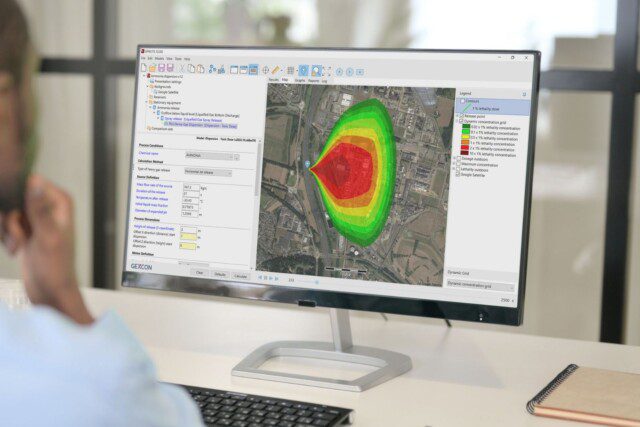
Learn how to simulate ammonia releases using EFFECTS to assess dispersion, toxicity, and support safer design and emergency planning.
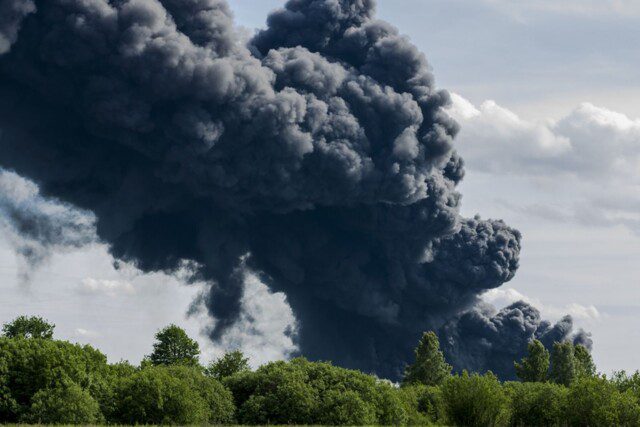
Learn how EFFECTS models smoke plume rise from large fires to support impact assessments, emergency planning, and safety decisions.
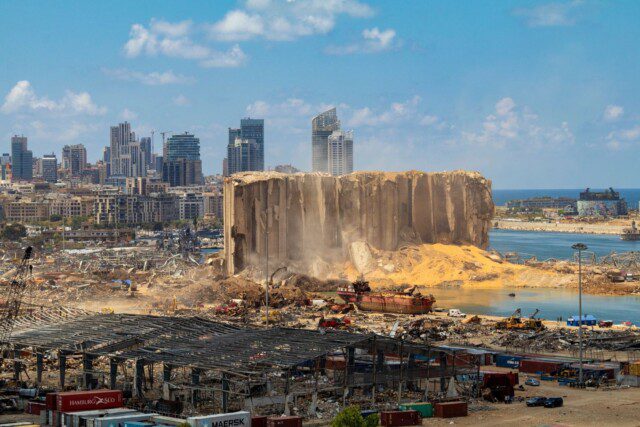
What lessons can we learn from past ammonium nitrate explosions, such as the Beirut Incident to prevent future disasters?
Geometry has long been identified as of key importance to understanding the consequence of explosions.
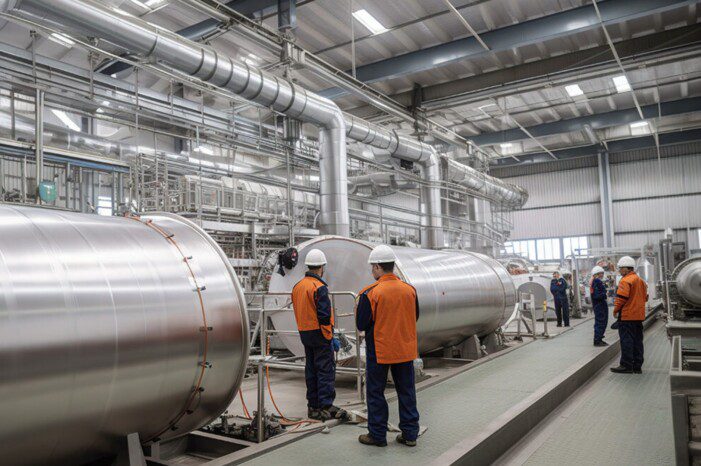
Learn how to perform Ignition Hazard Assessments and the processes involved in issuing self-declarations depending on the classification of the hazardous area.
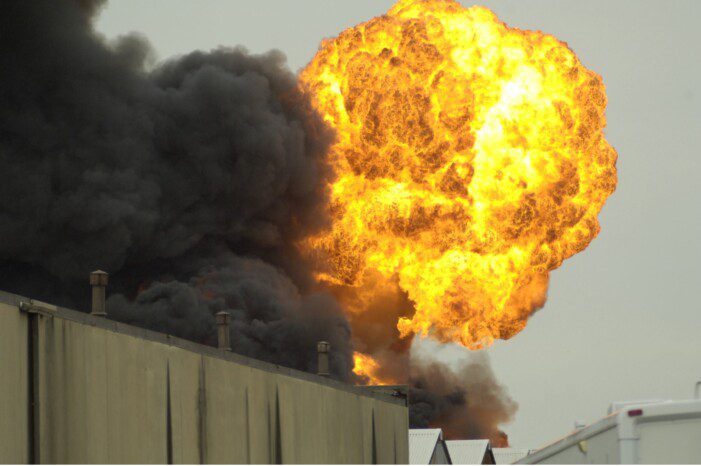
In this webinar, you will learn how to identify, respond to, control, and eliminate dust explosion hazards in process facilities.
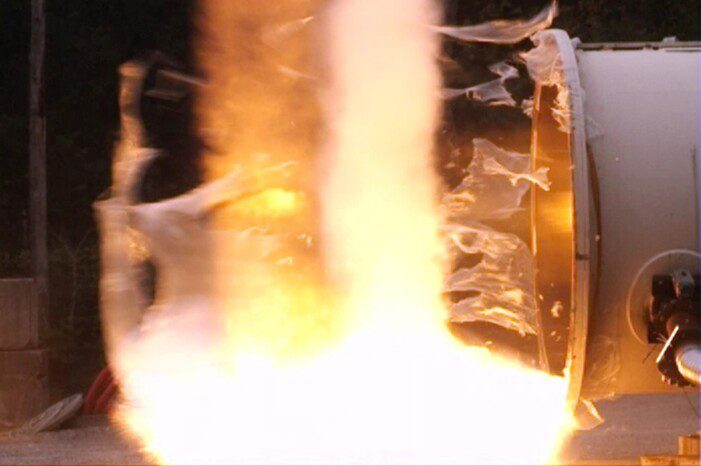
Learn how to identify, respond to, control, and eliminate gas explosion hazards in process facilities.
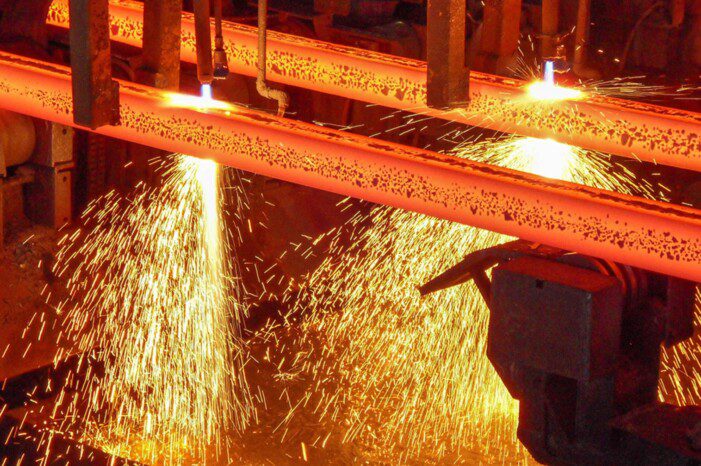
Learn about the basics of electrostatic hazards, how to analyse static problems, and how to apply effective solutions to prevent static problems.

Important Notice Due to the ongoing global public health concerns (COVID-19), we received a notification that the AIChE Spring Meeting & 16th Global Congress on Process Safety (GCPS) will be

Gexcon was attending the 16th International Symposium on Loss Prevention and Safety Promotion in the Process Industries, held at the Delft University of Technology in the Netherlands on 17-19 June 2019.
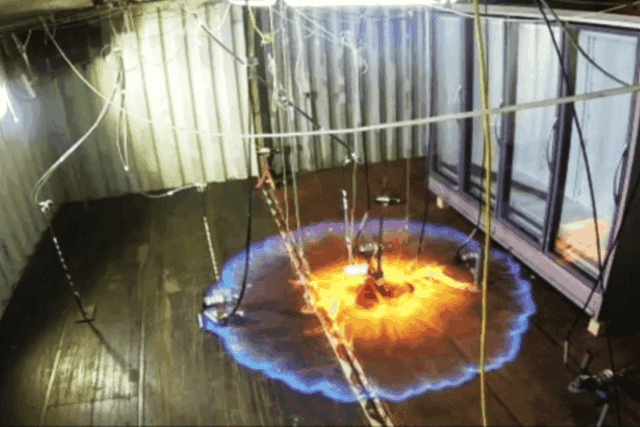
Potential replacements for current hydrofluorocarbon (HFC) refrigerants include pure and blended hydrocarbon refrigerants since they have a lower global warming potential (GWP) and comparable working fluid properties. The current barrier

Powder & Bulk Solids included an extensive article by Dr. Scott Davis. The article titled “Advanced Tools to Evaluate Dust Explosions and Protective Systems” evaluates the use of CFD as
