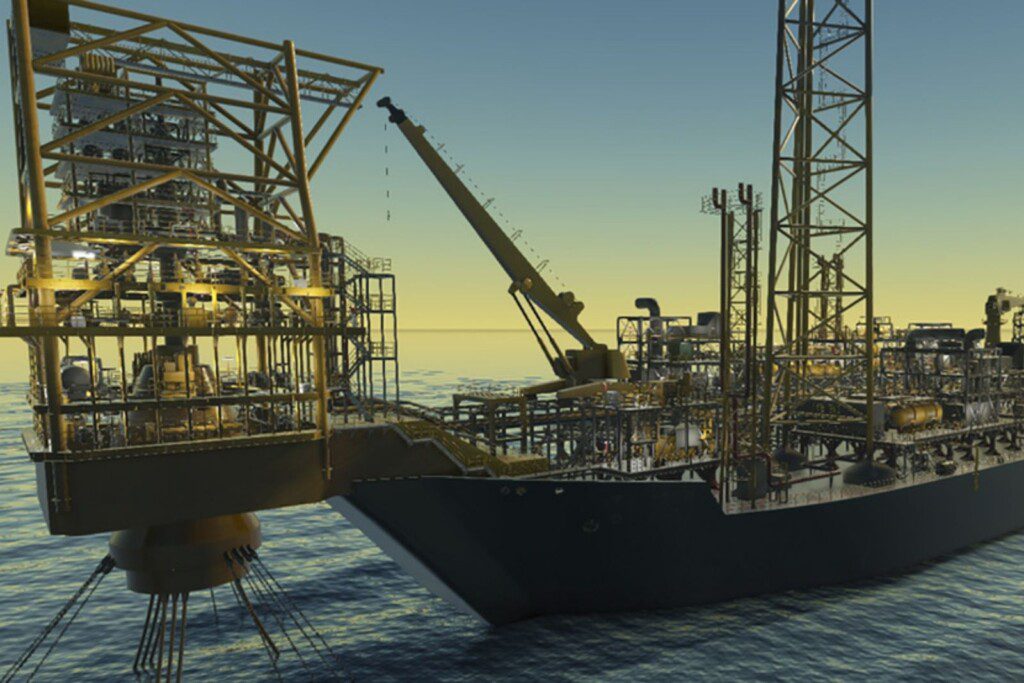
Geometry has long been identified as of key importance to understanding the consequence of explosions.
Flame speed and explosion pressure strongly depend on the gas cloud and the geometrical conditions. Chris Coffey, Global FLACS Product & Strategic Business Development Manager, explains.
Obstacle generated turbulence
A number of large-scale gas-explosion experimental programmes took place in the 1980s. One programme (GEP 80-86) investigated pressure development due to flame acceleration by obstacle generated turbulence which was identified as primarily responsible for the intensification of explosions occurring in the complex geometries typically found on offshore platforms.
The experimental data from the programme provided new insights about flame acceleration in complex geometries.
It also provided data for the validation of a new CFD code, FLACS (Flame Acceleration Simulator) the forefather of Gexcon’s FLACS software.
Size matters
The programme identified the importance of capturing small scale congestion within a CFD model.
Gexcon’s best-practice guidance is that all geometrical details down to one inch play an important role in the development of an explosion and should be captured within a CFD model.
Arrangements matter too
How the geometry is arranged is also of critical importance. Lack of symmetry and the presence of non-uniform congestion can result in significant directional effects. If these aspects are not considered when modelling explosions, then the resulting overpressure may be significantly underestimated or over predicted.
The two videos below show the impact of geometry on the development of a vapour cloud explosion. In both videos, an identical mixture of propane-air was ignited in the centre of the cube and the blockage ratio was the same.
The difference in the result consequence can clearly be observed. Overpressure for the high congestion is over a factor of 100 higher than the low-congestion case.
FLACS software has been developed to perform:
- Easy handling of multiple geometry import formats
- Powerful geometry creation and clean up with CASD
- Powerful visualisation within CASD and Flowvis (including lighting and textures)
To learn more about FLACS, click the button below.
Learn more about FLACSAuthors

Chris Coffey
VP Products at Gexcon
Related insights
Browse additional insights to deepen your understanding and stay informed on related topics.
FLUG Norway 2024: My key takeaways and reflections
Gexcon VP Products Chris Coffey, shares his highlights on the 2024 FLUG meeting held in Bergen on the 24-25 September.
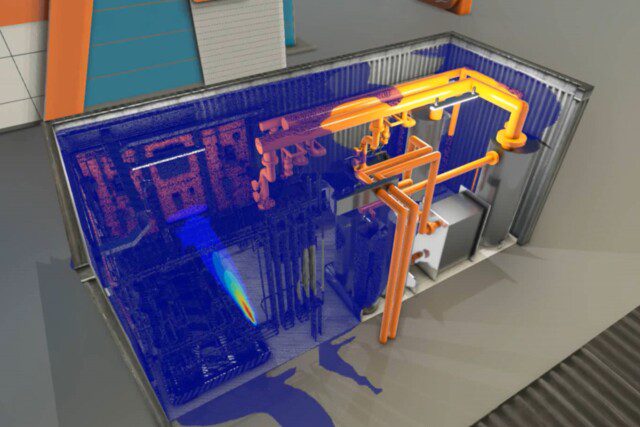
Optimising gas detection layout using CFD
Learn how CFD technology can optimise gas detection layouts to improve safety and achieve cost savings over time
Ammonia hazard modelling
Learn the basics of ammonia hazard modelling and how advanced modelling tools can help assess the risks and consequences of ammonia releases.
LNG facility siting: The benefits of using advanced modelling tools in your study
How advanced modelling tools can help improve LNG facility siting by supporting safer and more practical decision-making.
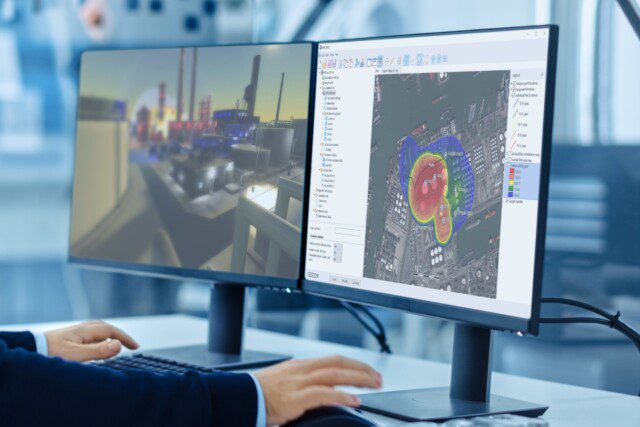
How to improve QRA results with a hybrid approach using CFD and Integral methods
Learn how to apply a QRA hybrid approach using CFD and integral modelling methods to balance accuracy, speed, and transparency in risk assessments.

Consequence analysis: 10 things to consider before performing your study
Consequence analysis is a critical aspect of process safety and risk management. Here are 10 crucial considerations to ensure a successful analysis.
What’s new with FLACS 25.1
This webinar demonstrates how the updates in FLACS 25.1, including the Multiscenario feature, can streamline your assessment workflow and support better decision-making.
Stay ahead in process safety and risk management
Get the latest trends in the field of process safety management straight to your inbox, and enhance your skills through knowledge sharing from industry experts.
Subsribe to our newsletter