Today, the aviation industry accounts for about 3% of global carbon emissions annually, with the UK having one of the highest per capita aviation emissions in the world.
This alone is a strong incentive to decarbonise the aviation industry in order to meet net-zero emissions by 2050.
Several options that are currently being pursued include Sustainable Aviation Fuels (SAF), hydrogen fuel-cell electric planes, and planes using hydrogen gas turbines.
For long-haul flights, the hydrogen turbine propulsion system is considered the most promising option, with hydrogen being stored as a liquid to carry the amount of fuel required. However, due to the unique flammability characteristics of liquid hydrogen (LH2), the use of such fuel in aviation presents several safety challenges, from the materials used through aircraft refuelling procedures to the storage of large amounts of LH2 at or near the airport.
During the 3rd International Hydrogen Aviation Conference, Dr Karina Almeida Leñero, UK Energy Transition Technical Lead, presented a paper entitled ‘’Can we fly safely on liquid hydrogen? Using advanced modelling tools to understand the hazards’’, which she prepared together with Dr Chris Coffey and Dr Shona Mackie.
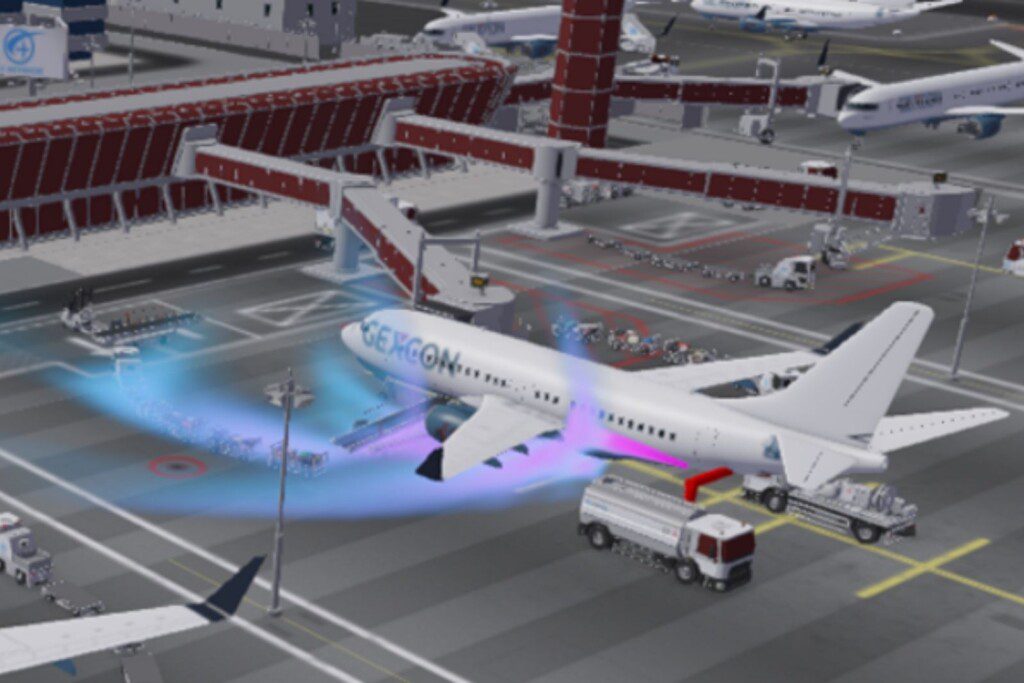
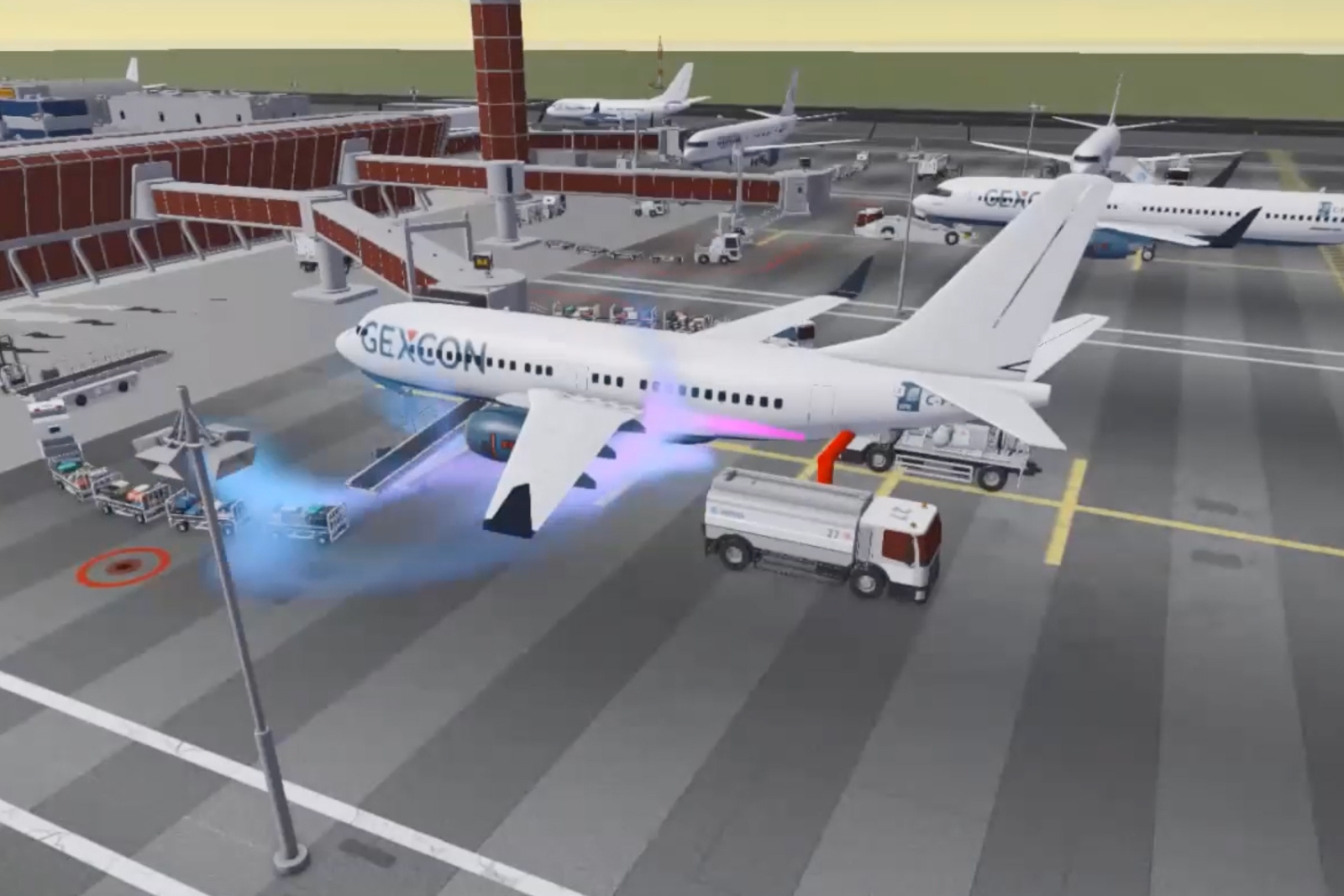
In this presentation, Karina discussed how advanced modelling using Computational Fluid Dynamics (CFD) can be used to understand the hazards from potential LH2 release scenarios while refuelling an aircraft and demonstrated how Gexcon’s FLACS tool can be used to simulate liquid hydrogen spills and their subsequent consequences (gas dispersion, fire, explosion).
By conducting such studies, we are able to provide reasonable estimates for the size of potentially flammable clouds, hazard distances for thermal radiation and explosion overpressure should a release be ignited, as well as explore how the layout and geometry around the release could influence these hazards.
These results can then be used to answer questions and provide guidance on issues on the location and layout of hydrogen refuelling “hubs” at airports, exclusion zones while refuelling aircraft, procedures for refuelling, and appropriate emergency response in case of an accidental release of hydrogen.
Would you like to learn more about this topic?
Watch our webinar and learn how advanced modelling using CFD can be used to understand the hazards from potential LH2 release scenarios while refuelling an aircraft.
Authors

Karina Almeida Leñero
Energy Transition Technical Lead at Gexcon

Chris Coffey
VP Products at Gexcon

Shona Mackie
Senior Research Engineer at Gexcon
Related insights
Browse additional insights to deepen your understanding and stay informed on related topics.
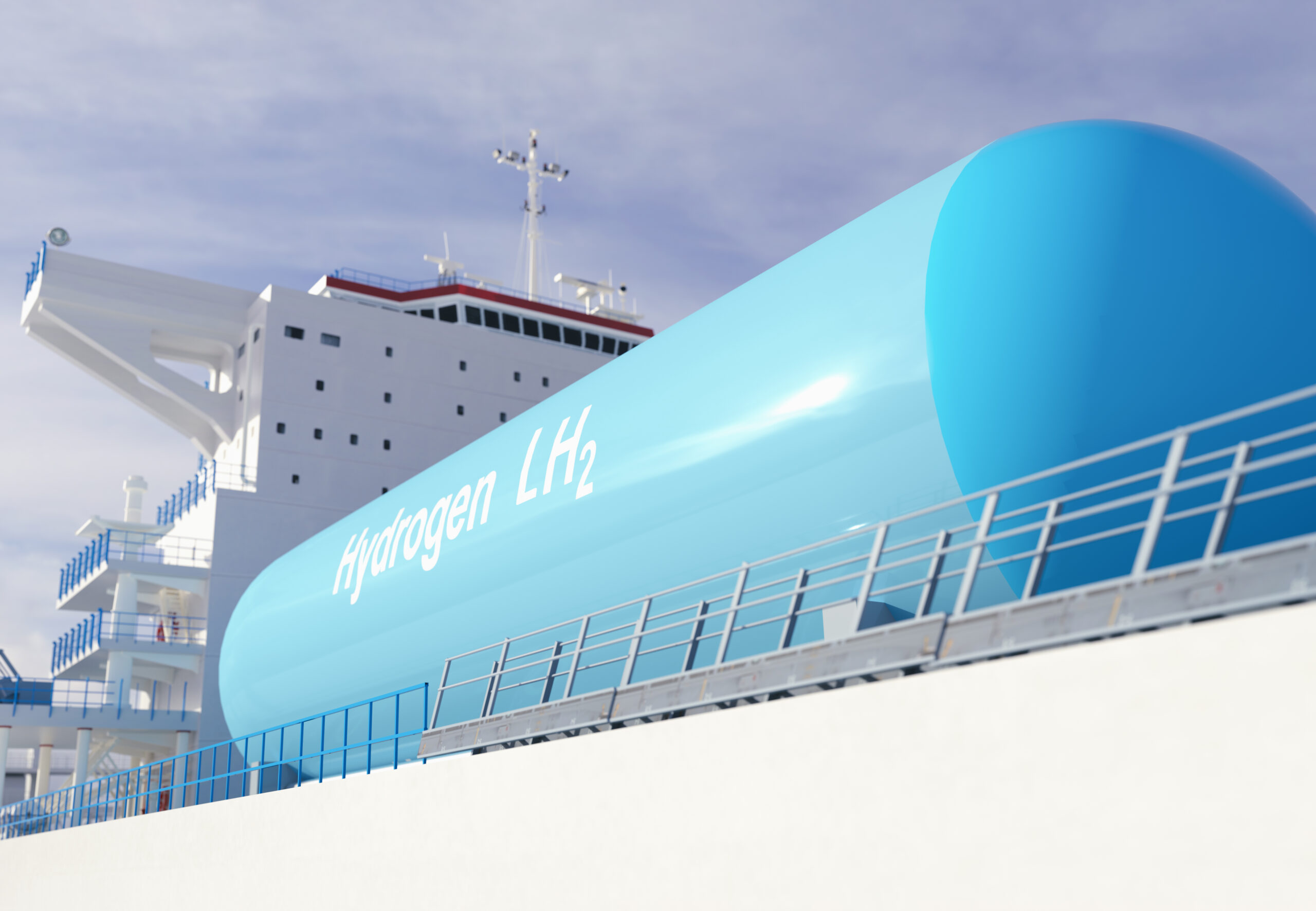
Liquid hydrogen safety considerations
Essential safety considerations for liquid hydrogen: key hazards, risk controls and best practices for safe handling and storage.
Lessons learnt from hydrogen incidents
Real-world hydrogen incident cases, their key lessons and practical safety improvements for safer hydrogen use.
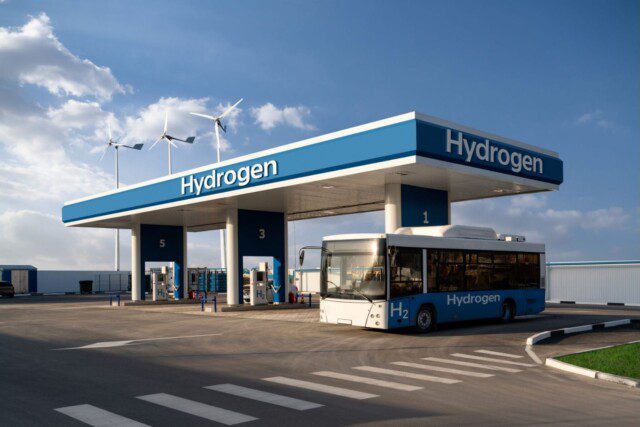
Hydrogen storage safety in urban settings: Analysing Societal Risk using RISKCURVES
This article primarily focuses on calculating Societal Risk, a crucial metric for evaluating risk acceptability, particularly relevant for the risk assessment of densely populated areas.
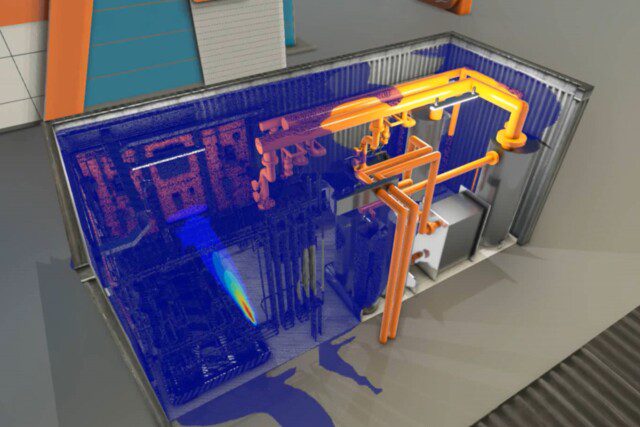
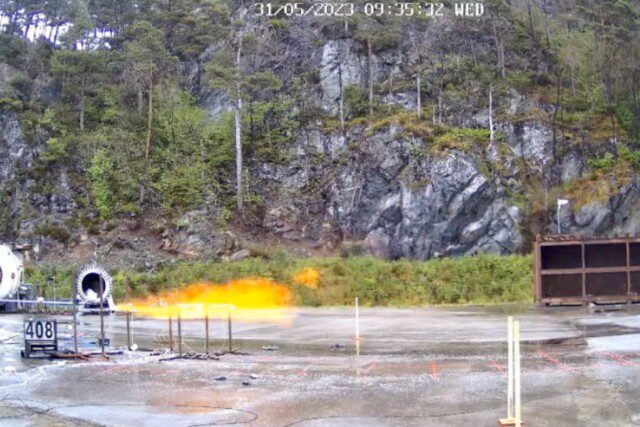
Comparison of FLACS simulations with SOTRA tests
This presentation discusses the comparison between FLACS simulations and medium-scale hydrogen dispersion and explosion tests.
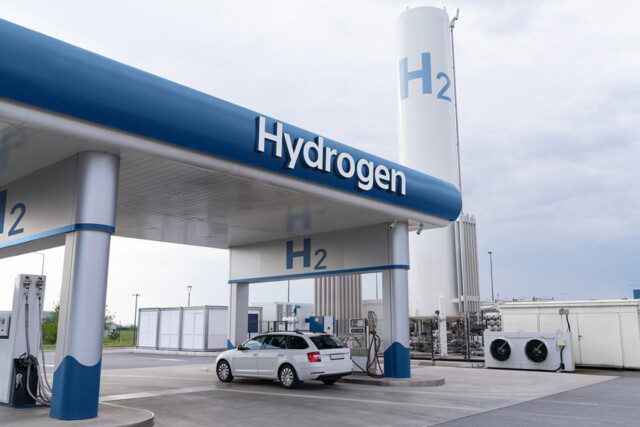
Risk analysis for hydrogen refuelling stations
Learn how to analyse potential risk scenarios at hydrogen refuelling stations using RISKCURVES QRA software to streamline your projects.

Risk assessment of hydrogen in nuclear facilities
See how FLACS CFD tool helps simulate hydrogen hazards in nuclear facilities and support safer design through detailed consequence analysis.
Stay ahead in process safety and risk management
Get the latest trends in the field of process safety management straight to your inbox, and enhance your skills through knowledge sharing from industry experts.
Subsribe to our newsletter