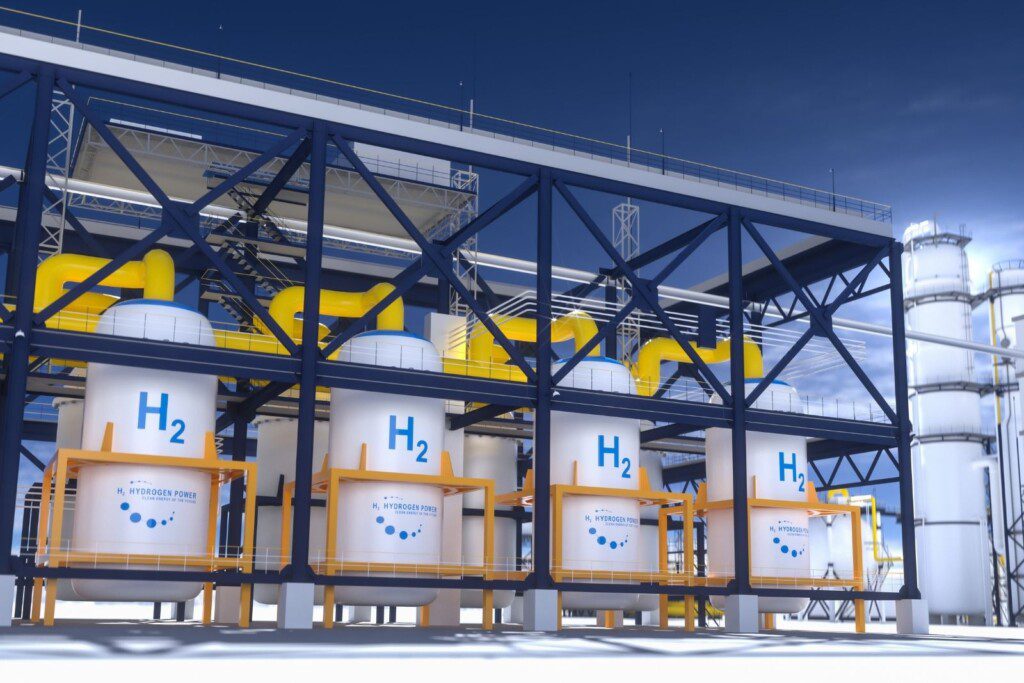
Hydrogen is increasingly seen as an important component of the clean-energy mix for a sustainable energy future. It has been identified as an alternative fuel that, if generated from clean energy or combined with CCUS (Carbon Capture Usage and Storage), could help bring the world towards a low-carbon society. Nevertheless, hydrogen energy development so far has faced several challenges, especially regarding the safety aspect.
The key technical challenge is the development of a safe hydrogen system. Even though hydrogen is considered safer for the environment, its flammability, buoyancy, ability to embrittle metals, and other properties that require engineering control make designing a safe hydrogen system a challenging process.
These challenges are not solely faced by facilities handling hydrogen processes but also by suppliers of equipment to be used in a safe hydrogen system. The announcement of many new hydrogen projects worldwide has led to the very rapid development of new equipment, which can present its own issues.
There are also societal challenges. Although hydrogen has been used in industry for many years, the transition to public use triggers various public perceptions of safety. Considered as a relatively new fuel, there are indications from parts of society that hydrogen has negative connotations for safety, despite education efforts. If not treated properly, this may develop into negative perceptions that can be a barrier to large scale uptake of the technology.
Finally, the regulatory aspect presents further challenges. Regulations and standards for the production and use of hydrogen differ from one country to another. These differences may create a non-standardised benchmark in hydrogen safety in different countries, potentially becoming a barrier to uptake, especially commercially.
During an exclusive panel debate titled “Hydrogen Safety Challenges for the Energy Transition“, industry experts from Gexcon, Shell, Engie, and Wales & West Utilities addressed these challenges. The discussion points are summarised as follows:
- Perceptions within the hydrogen industry around safety with comparison to other renewables.
- The transition from industrial use of hydrogen to public use of hydrogen.
- The rapid pace of change and development in equipment used for hydrogen system.
- Regulatory hurdles and variations between regions.

Would you like to learn more about this topic?
A more detailed discussion between experts from Gexcon, Shell, Engie and Wales & West Utilities was presented during the “Hydrogen Safety Challenges for the Energy Transition” Panel Debate.
Click the button below to learn more and watch the recording.
Authors

Graham Morrison
Consulting Director UK — Shell Software Product Manager at Gexcon
Related insights
Browse additional insights to deepen your understanding and stay informed on related topics.
Liquid hydrogen safety considerations
Essential safety considerations for liquid hydrogen: key hazards, risk controls and best practices for safe handling and storage.
Lessons learnt from hydrogen incidents
Real-world hydrogen incident cases, their key lessons and practical safety improvements for safer hydrogen use.
Hydrogen storage safety in urban settings: Analysing Societal Risk using RISKCURVES
This article primarily focuses on calculating Societal Risk, a crucial metric for evaluating risk acceptability, particularly relevant for the risk assessment of densely populated areas.
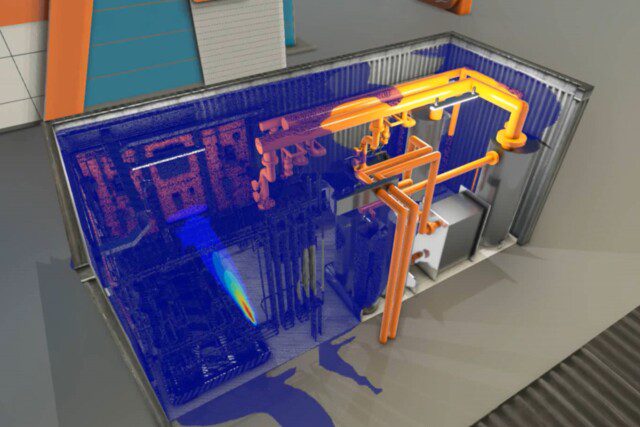
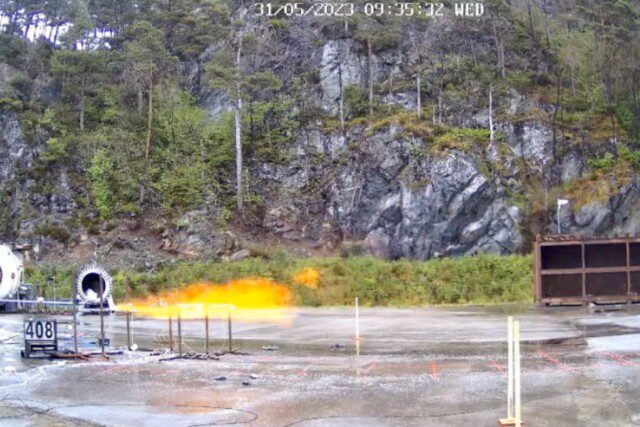
Comparison of FLACS simulations with SOTRA tests
This presentation discusses the comparison between FLACS simulations and medium-scale hydrogen dispersion and explosion tests.
Risk analysis for hydrogen refuelling stations
Learn how to analyse potential risk scenarios at hydrogen refuelling stations using RISKCURVES QRA software to streamline your projects.

Risk assessment of hydrogen in nuclear facilities
See how FLACS CFD tool helps simulate hydrogen hazards in nuclear facilities and support safer design through detailed consequence analysis.
Stay ahead in process safety and risk management
Get the latest trends in the field of process safety management straight to your inbox, and enhance your skills through knowledge sharing from industry experts.
Subsribe to our newsletter