Hydrogen, as a low-carbon energy carrier, is set to play a pivotal role in the global energy transition as countries worldwide strive for net zero emissions. The use of hydrogen as an alternative fuel is expected to surge in the coming years, with liquid hydrogen becoming increasingly common for storage, transport, and applications requiring higher energy density.
Handling liquid hydrogen demands strict safety measures due to its flammable nature. This blog will discuss the key safety considerations when working with this substance.
Liquid hydrogen as a potential energy source
Burning hydrogen does not release any carbon, making green hydrogen—produced via electrolysis using electricity from renewable sources—an ideal low-carbon energy source for applications where electrification or battery technology is not feasible.
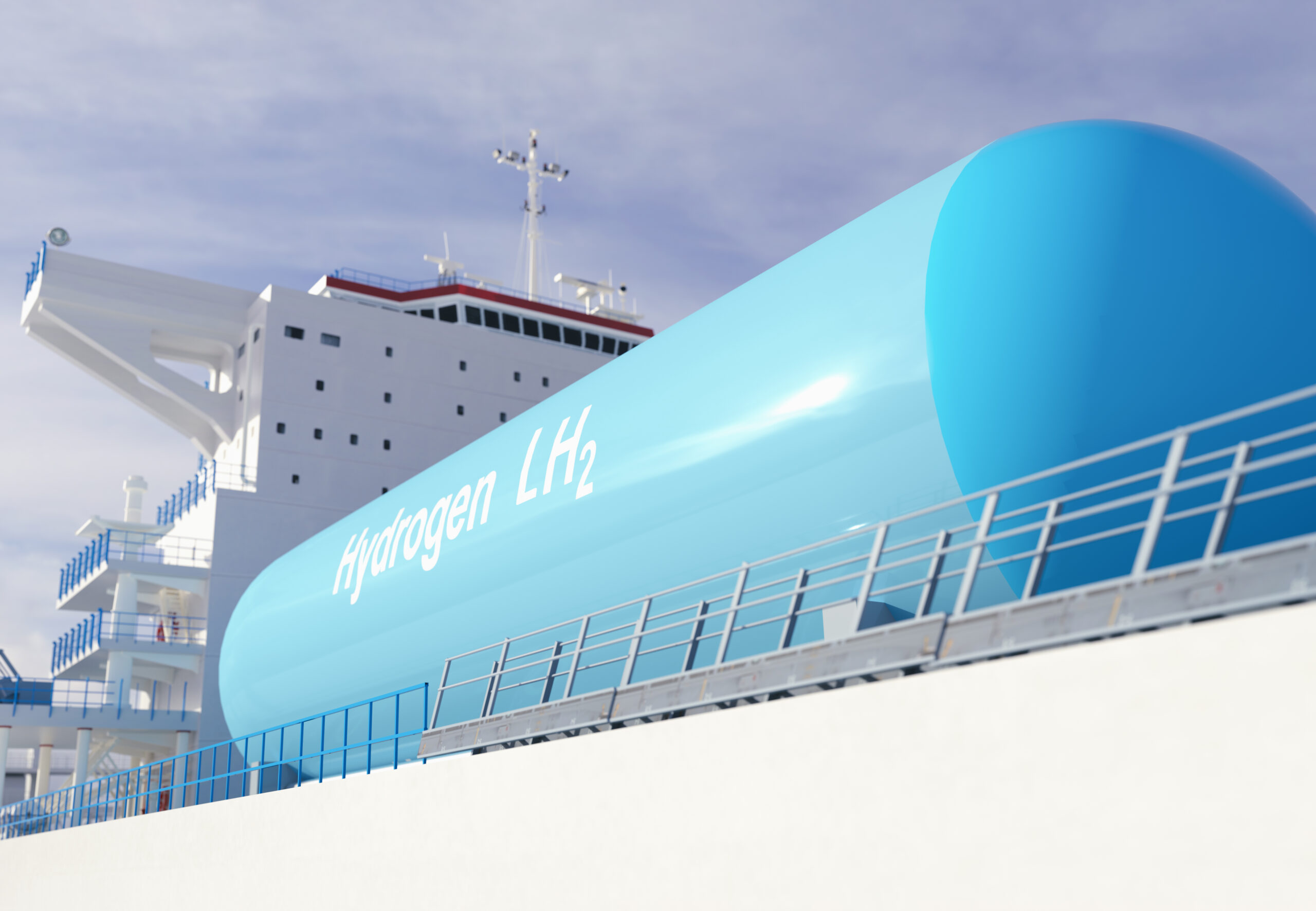
Currently, liquid hydrogen is primarily used for transporting and storing hydrogen due to its reduced volume and improved efficiency compared to hydrogen gas. Liquid hydrogen is typically transported by road trailers with capacities of a few tonnes. Other transport methods include tanker vessels, railroad tank cars, and limited bulk transport pipelines supporting spacecraft operations.1
Storage of liquid hydrogen usually involves cryogenic cylindrical or spherical tanks, with spherical tanks preferred for large volumes due to their efficiency in mitigating heat transfer. These tanks are vacuum-insulated and double-skinned to minimise heat transfer and boil-off, especially during transfer from the tanker.
Novel applications for liquid hydrogen include cars, vessels, aircraft, and heavy machinery. Although significant advancements have been made in these areas, mass adoption may be hindered by inherent limitations, safety concerns, costs, and lack of infrastructure.
Notable liquid hydrogen applications
- Suiso Frontier: The world’s first liquefied hydrogen carrier vessel, launched in 2019.
- Toyota H2 Corolla: A liquid hydrogen-powered car that completed the Super Taikyu Fuji 24-hour race (covering 1,634 km) in May 2023.
- B-57B Canberra – Project Bee: The first successful aircraft test flight using liquid hydrogen in 1957.
Importance of safety considerations in handling and storing liquid hydrogen
While liquid hydrogen has been used safely in industry for decades, its novel applications will bring it closer to the public than ever before. Ensuring safety is paramount to prevent accidents and protect human lives and maintaining public trust in hydrogen as a safe alternative fuel is crucial. A high-profile accident could damage public opinion and impose greater legislative burdens, slowing the advancement of hydrogen technologies.
Understanding liquid hydrogen
Liquid hydrogen, used extensively in industry and as rocket fuel, is non-corrosive, non-toxic, and odourless, making leaks difficult to detect. Although non-toxic, hydrogen can cause asphyxiation by displacing air. The fire and explosion risks are more significant due to its high likelihood of ignition.
Hydrogen is a gas at ambient temperature and pressure, and it must be cooled to around 20K (-253℃) to become liquid. Unlike hydrogen gas, typically stored at high pressure (>200 bar), liquid hydrogen storage requires cryogenic considerations, such as dedicated equipment and insulation, to prevent boil-off.
Liquefying and cooling of hydrogen require additional energy and costs compared to hydrogen gas. However, these costs may be offset by increased energy density, space savings, and transport efficiency.
With a low density of about 70 kg/m3 (around its boiling point), liquid hydrogen is over ten times less dense than water but has a high energy density (by weight) compared to other fuels. Upon combustion, it converts into oxygen and water vapour, making it a potential low-carbon fuel.
Liquid hydrogen properties, hazards, and safety considerations
Understanding the physical characteristics of liquid hydrogen and its behaviour in a safety context is essential for its appropriate use. However, further research is required to accurately predict its behaviour upon loss of containment.
The primary hazards associated with liquid hydrogen release include fires and explosions. Liquid hydrogen evaporates almost immediately upon release, due to the rapid increase in temperature above its boiling point. In the near field, hydrogen gas behaves as a dense gas to a certain extent. Large spills can lead to a rainout and pool formation, depending on ground properties, environmental conditions, and the leak’s size and duration.2
Ignited releases can result in flash fires, pool fires, and deflagrations (and secondary deflagrations), which can burn back to the leak orifice, causing jet fires.3 Hydrogen gas cloud ignition can lead to explosions, damaging surrounding areas and potentially harming people. Additionally, BLEVEs (Boiling Liquid Expanding Vapour Explosion), where a container of liquid hydrogen ruptures, causing rapid vaporisation and an explosion, have been shown to be possible during tests.4
Key hydrogen properties affecting fire and explosion hazards include:
- Odourless and non-toxic:
- Releases may go undetected, allowing gas accumulation.
- Invisible flame:
- Hydrogen burns with a pale, almost invisible flame, making detection difficult.
- Low emissivity:
- Hydrogen flames have low emissivity, potentially reducing injury severity compared to traditional hydrocarbons.
- Wide flammability range:
- Hydrogen’s flammable range (4-75%) makes releases more likely to be within the flammable range than traditional hydrocarbon fuels.
- Small molecule:
- Hydrogen can leak easily through equipment and components.
- High laminar flame speed:
- Contributes to more violent explosions and a higher potential for detonation compared to hydrocarbons.
- Detonation:
- Hydrogen is prone to detonation in the presence of congestion or confinement, leading to higher overpressures and more severe consequences.
- Low minimum ignition energy:
- Hydrogen’s minimum ignition energy (~0.02 mJ) is about ten times lower than traditional hydrocarbon gases. Potential ignition sources for hydrogen include electrostatics, frictional heat, sparks, and spontaneous ignition.
- BLEVE:
- If the vessel ruptures and the temperature increases, the liquid hydrogen may boil off, leading to a BLEVE.
Cryogenic hazards due to liquid hydrogen’s low storage temperature must also be considered:
- Low-temperature exposure to people:
- Can cause severe burns if people come into contact with liquid hydrogen or improperly insulated equipment.
- Materials and equipment:
- Unsuitable materials may become brittle and fail at cryogenic temperatures. Thermal cycling can lead to thermal fatigue.
- Condensation and solidification:
- Cryogenic temperatures can cause most gases to solidify, potentially leading to equipment issues.
- Oxygen-enrichment:
- Extremely low temperatures can condense and solidify oxygen, leading to an oxygen-enriched atmosphere, increasing explosion severity and detonation likelihood.
Safe storage, transport, and use of liquid hydrogen
Ensuring the safe storage, transport, and use of liquid hydrogen is crucial for its success as an energy carrier. Key considerations include:
- Material suitability:
- Tanks, vessels, and equipment must be suitable for cryogenic temperatures, resisting brittleness and thermal cycling stresses.
- Proper insulation:
- Essential to maintain cryogenic temperatures and prevent hydrogen boil-off.
- Pressure relief:
- Necessary to prevent over-pressurisation from liquid boil-off or process upsets.
- Relief devices and valves:
- Must be designed for liquid hydrogen environments to prevent blockages and functionality issues from air solidification.
- Monitoring systems:
- Pressure and temperature monitoring is essential to detect high-pressure or liquid boil-off scenarios.
- Standard operating procedures:
- Properly trained personnel and well-defined procedures reduce accidental release likelihood.
- Emergency procedures:
- Trained personnel and protocols for release, fire, and explosion scenarios are vital.
- Gas and leak detection:
- Combined with automatic controls, such as isolation and shutdown valves, can limit potential releases.
- Ignition source management:
- Identify and remove potential ignition sources or ensure they are suitably rated for hazardous areas.
- Ventilation and confinement:
- Reducing congestion and confinement improves ventilation, promoting release dilution and reducing explosion severity. Avoid vertical confinement to allow efficient dispersion of releases.
Standards, regulations, and guidance
Several standards and guidance documents address liquid hydrogen safety challenges. While no specific British or European harmonised standards exist for hydrogen, various pieces of legislation encompass its safe use, storage, and transport. Key directives include:
- EU Directives: ATEX Directives, Seveso III Directive, EU Pressure Equipment Directive (PED), International Carriage of Dangerous Goods by Road (ADR), International Carriage of Dangerous Goods by Rail (RID), and Transportable Pressure Equipment Directive (TPED).
- UK Regulations: The Dangerous Substances and Explosive Atmospheres Regulations 2002 (DSEAR), Control of Major Accident Hazard (COMAH) Regulations, Pressure Equipment Regulations (PER) 1999, and The Carriage of Dangerous Goods Regulations.
ISO standards and National Industrial Gas Association guidance documents include:
- ISO Standards: ISO/TR 15916:2015, ISO 13984:1999, ISO 13985:2006.
- EIGA: Doc 06/19 – Safety in Storage, Handling and Distribution of Liquid Hydrogen.
- BCGA: Code of Practice 46, The Storage of Cryogenic Flammable Fluids.
- CGA (USA): ANSI/CGA H-5-2020, CGA P-12-2023, CGA H-3-2024.
Other codes, standards, and guidance documents are available from organisations such as NFPA, NASA, ANSI, and ICC.
Regulatory compliance through safety assessments
To support regulatory compliance, facilities handling liquid hydrogen should conduct regular safety assessments and audits to ensure alignment with current regulations. These assessments are particularly relevant before operational changes or during periodic reviews.
When identifying the hazards, methodologies such as Process Hazard Analysis (PHA), Hazard Identification (HAZID), Hazard and Operability Study (HAZOP), and Bow-Tie diagrams can be utilised as these techniques help systematically identify potential hazards in the facility.
The identification of potential flammable atmospheres, ignition sources and high-risk components or areas can be conducted through a hazardous area classification and risk assessment.
Once hazards are identified, they need to be assessed to understand their potential impact and frequency and ensure that the risk is as low as reasonably practicable. This can be done using various techniques, such as Safety Integrity Level (SIL) assessments, Layer of Protection Analysis (LOPA), quantitative or qualitative risk assessments, and consequence analysis.
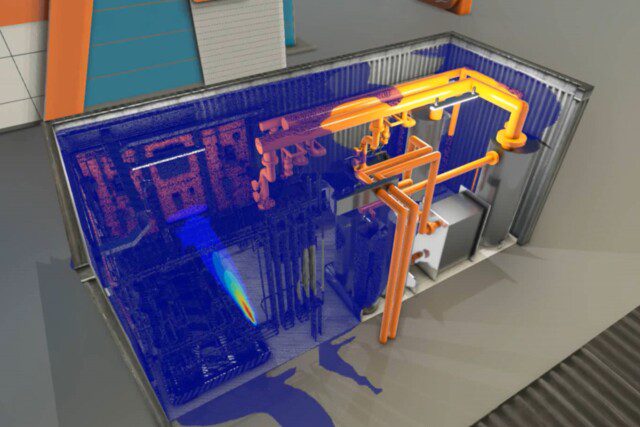
Tools such as FLACS, EFFECTS, and RISKCURVES from Gexcon are available to facilitate effective consequence and risk assessments, providing reliable analysis of potential hazards to support informed decision-making.
Watch a webinar to see FLACS in action for liquid hydrogen modelling in the aviation industry
Learn moreAfter assessing the hazards, it is essential to manage them effectively to ensure safety and regulatory compliance. This can involve implementing Process Safety Management (PSM) systems and preparing comprehensive safety cases. PSM systems provide a structured approach to managing risks, ensuring that all aspects of process safety are addressed. Safety cases document the safety measures in place and demonstrate compliance with regulatory requirements, providing a clear justification for the safe operation of liquid hydrogen applications.
Conclusion
Hydrogen has the potential to be a significant component of the future energy mix, but key technical challenges regarding the safety of liquid hydrogen systems remain. Addressing these challenges requires careful consideration of material properties at all design and operation stages. Further research is needed to better understand and predict liquid hydrogen behaviour upon loss of containment. Applying traditional process safety techniques, identifying hazards, as well as managing and mitigating risks are crucial to safeguarding people, protecting the environment, preventing infrastructure damage and complying with regulations.
Have questions or concerns about liquid hydrogen safety?
Gexcon has extensive experience in the safety aspects of liquid hydrogen, having conducted various safety studies on design for risk mitigation, loss prevention, and consequence and risk analysis. We use advanced tools such as FLACS, EFFECTS, and RISKCURVES to assess the consequences and risks associated with liquid hydrogen.
Furthermore, our involvement in research projects related to liquid hydrogen, such as the first and second phases of SH2IFT, the PRESLHY (Prenormative Research for Safe Use of Liquid Hydrogen), and the PILOT-E projects, has provided us with valuable knowledge in this area.
If you need help or have questions about liquid hydrogen, contact us via info@gexcon.com.
Reference
- K. Takahashi, “Transportation of Hydrogen by Pipeline,” ENERGY CARRIERS AND CONVERSION SYSTEMS – Vol. II.
- HSE, “Releases of unignited liquid hydrogen, rr986”.
- J. H. P. a. W. D. Hall, IGNITED RELEASES OF LIQUID HYDROGEN: SAFETY CONSIDERATIONS OF THERMAL AND OVERPRESSURE EFFECTS, Major Hazards Unit, Health and Safety Laboratory.
- C. S. (. I. A. Ødegård, H. S. P. (. E. L.H. Odsæter, R. S. T. L. (. F. R. C. Meraner, K. W. D. S. Y. G. (. F. U. (. D. Muthusamy and C. G. (IoTE), “D5.4: SH2IFT final project report,” 2022.
- K. v. Wingerden, “Experiments to investigate the possibility and effects of BLEVEs of storage tanks containing liquified hydrogen.,” 2022. [Online]. Available at: Link
Authors

Jake Connor
Product Specialist at Gexcon

Chris Coffey
VP Products at Gexcon
Related insights
Browse additional insights to deepen your understanding and stay informed on related topics.
Liquid hydrogen safety considerations
Essential safety considerations for liquid hydrogen: key hazards, risk controls and best practices for safe handling and storage.
Lessons learnt from hydrogen incidents
Real-world hydrogen incident cases, their key lessons and practical safety improvements for safer hydrogen use.
Hydrogen storage safety in urban settings: Analysing Societal Risk using RISKCURVES
This article primarily focuses on calculating Societal Risk, a crucial metric for evaluating risk acceptability, particularly relevant for the risk assessment of densely populated areas.
Comparison of FLACS simulations with SOTRA tests
This presentation discusses the comparison between FLACS simulations and medium-scale hydrogen dispersion and explosion tests.
Risk analysis for hydrogen refuelling stations
Learn how to analyse potential risk scenarios at hydrogen refuelling stations using RISKCURVES QRA software to streamline your projects.
Risk assessment of hydrogen in nuclear facilities
See how FLACS CFD tool helps simulate hydrogen hazards in nuclear facilities and support safer design through detailed consequence analysis.
Stay ahead in process safety and risk management
Get the latest trends in the field of process safety management straight to your inbox, and enhance your skills through knowledge sharing from industry experts.
Subsribe to our newsletter