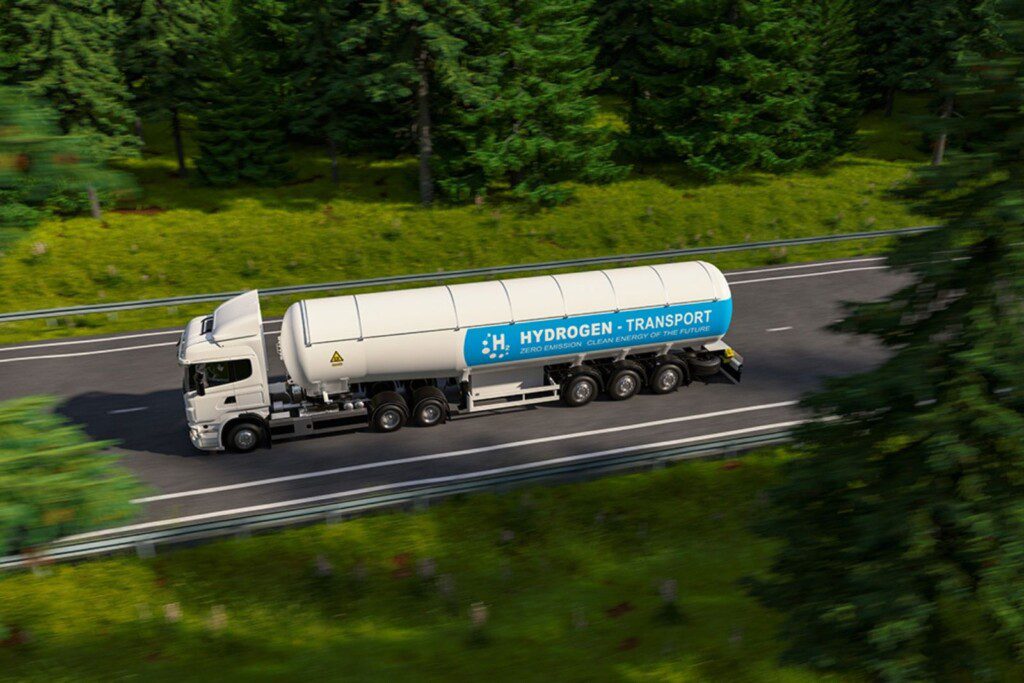
Environmentally friendly fuel, yet debatable reputation
Hydrogen is an essential fuel for the energy and transportation sector. For the energy sector, an example would be mixing hydrogen into natural gas, such as for domestic use. As for the latter, hydrogen is used for fuel cells (converting chemical energy into electricity) or direct combustion, including combustion engines.
There have been many initiatives worldwide replacing current fuel sources, such as oil, petrol, diesel, natural gas, etc., with hydrogen to combat climate change by reducing CO2 emissions. Most of the efforts are focused on green hydrogen investment: hydrogen generated from renewable energy forms, such as hydropower, sun, and wind.
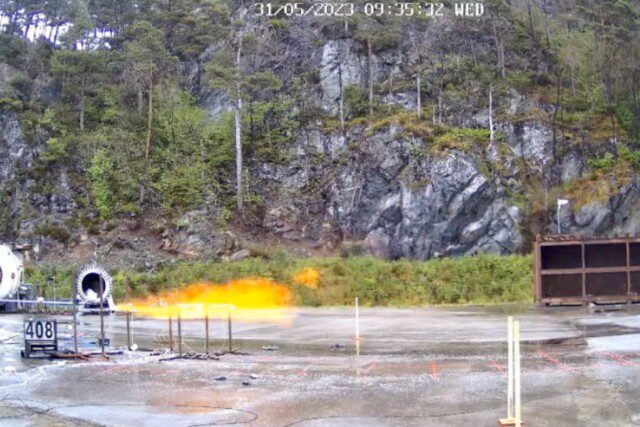
Despite being environmentally friendly, hydrogen has a reputation for being dangerous, with fire and explosion hazards as the primary concern. This reputation may originate from the Hindenburg disaster, where an airship (or Zeppelin) inflated with hydrogen caught fire upon docking in 1937. In this tragic incident, 35 passengers were killed and one person on the ground.
Hydrogen hazards originate from its properties
Hydrogen has combustion properties making it somewhat unique:
- flammable over a vast range of concentrations when mixed with air (4-75 vol %)
- the minimum ignition energy* is 17 mJ, which is ten times lower than for regular hydrocarbons
- the laminar burning velocity is 3.2 m/s, which is eight times faster than regular hydrocarbons
These three properties show that hydrogen is easy to ignite and burn fast.
Another hazardous aspect of hydrogen is it causes metal degradation processes. Several of these processes could potentially cause leakages from equipment containing hydrogen. An example is embrittlements reducing the tensile ductility in many metals significantly.
Preventive and protective measures against hydrogen hazards
The good news is those properties do not imply that hydrogen is too dangerous to handle. We can implement appropriate preventive and corrective measures to mitigate hydrogen hazards. These measures are based on:
- existing knowledge on combustion properties of hydrogen;
- existing knowledge on metal degradation processes; and
- new knowledge under ongoing development, mainly related to the safe handling of liquified hydrogen (LH2) and special hydrogen applications such as safety aspects related to its use in tunnels.
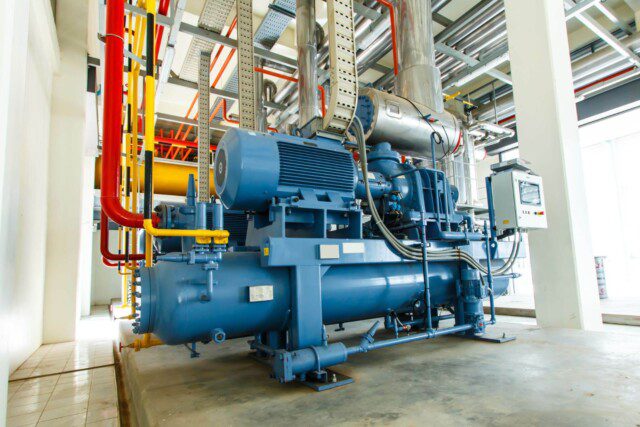
Preventive measures against hydrogen hazards include the correct design of equipment, correct material choice (avoiding metals susceptible to degradation processes), and maintenance to prevent leakages.
We can also perform a hazardous area classification to select appropriate electrical and mechanical equipment preventing the ignition of hydrogen-air mixtures.
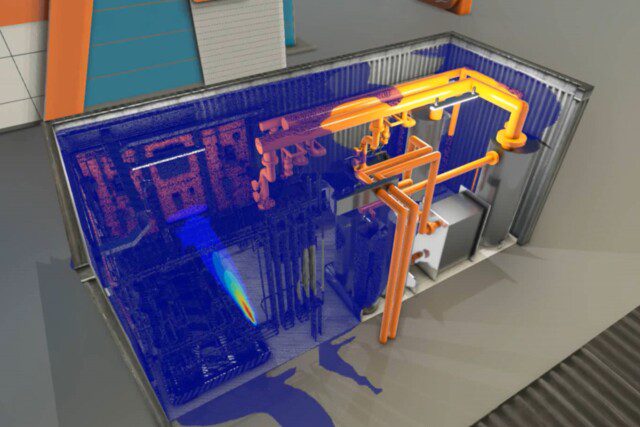
For indoor areas, a duly designed ventilation system can prevent the build-up of flammable mixtures. Meanwhile, for outdoor, we can take advantage of wind and the dispersion characteristics of hydrogen since hydrogen is very light and will have a strong tendency to disperse upwards.
We can take protective measures if necessary, such as explosion venting and the implementation of safety distances. There have been many questions about what type of protective measures are the most necessary for facilities handling hydrogen. Unfortunately, this is not a one size fits all solution. Performing a detailed risk analysis is worth considering to ensure that we implement the appropriate, cost-effective measures.
Authors

Geirmund Vislie
SVP Global Consulting
Related insights
Browse additional insights to deepen your understanding and stay informed on related topics.
Liquid hydrogen safety considerations
Essential safety considerations for liquid hydrogen: key hazards, risk controls and best practices for safe handling and storage.
Lessons learnt from hydrogen incidents
Real-world hydrogen incident cases, their key lessons and practical safety improvements for safer hydrogen use.
Hydrogen storage safety in urban settings: Analysing Societal Risk using RISKCURVES
This article primarily focuses on calculating Societal Risk, a crucial metric for evaluating risk acceptability, particularly relevant for the risk assessment of densely populated areas.
Comparison of FLACS simulations with SOTRA tests
This presentation discusses the comparison between FLACS simulations and medium-scale hydrogen dispersion and explosion tests.
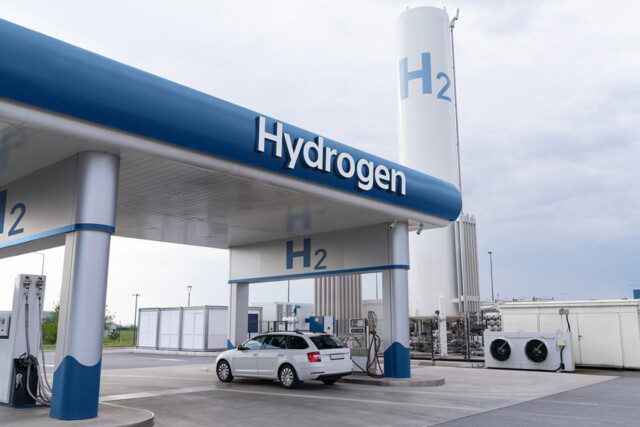
Risk analysis for hydrogen refuelling stations
Learn how to analyse potential risk scenarios at hydrogen refuelling stations using RISKCURVES QRA software to streamline your projects.
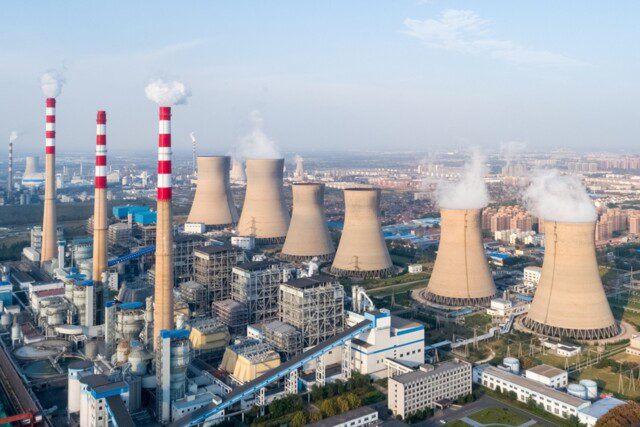
Risk assessment of hydrogen in nuclear facilities
See how FLACS CFD tool helps simulate hydrogen hazards in nuclear facilities and support safer design through detailed consequence analysis.
Stay ahead in process safety and risk management
Get the latest trends in the field of process safety management straight to your inbox, and enhance your skills through knowledge sharing from industry experts.
Subsribe to our newsletter