Specialist Domains Past Webinars

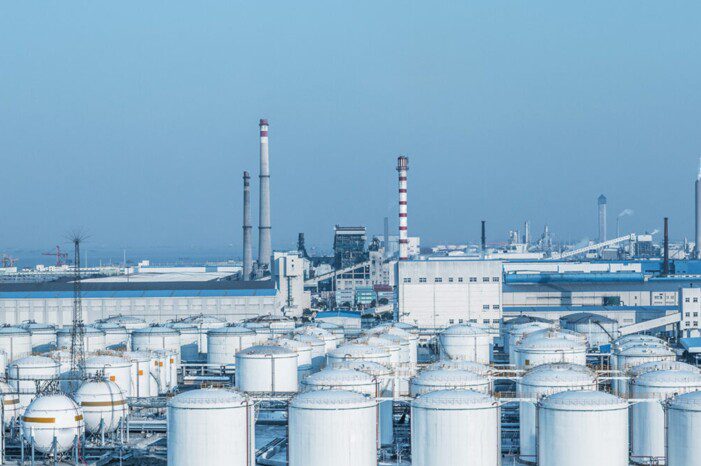
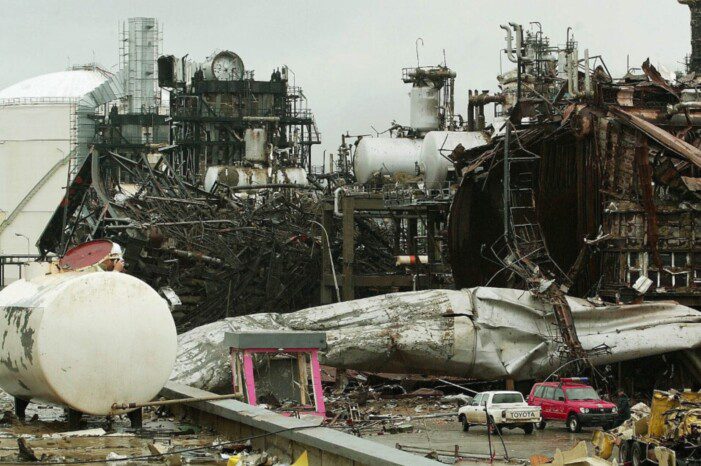
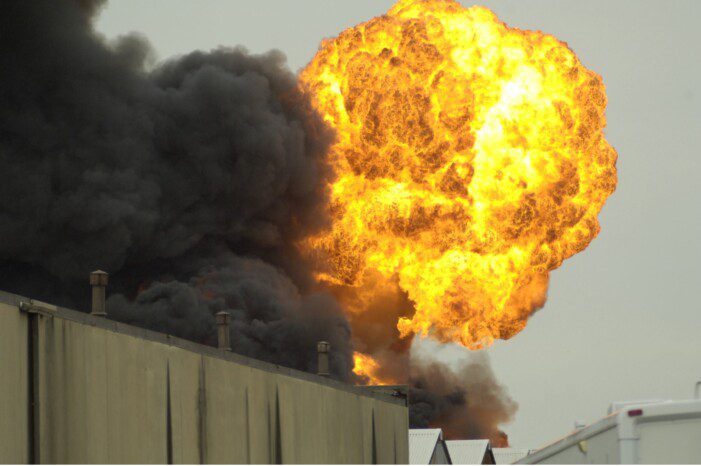
A large vapor cloud explosion (VCE) followed by a fire is one of the most devastating and high consequence events that can occur at LNG facilities. Past incidents have helped us to learn how to better manage safety and this knowledge has partially been crystallized as part of the creation of codes and standards that regulate the design and operation of LNG facilities. However, it is also important to ensure that there is a shared understanding of the root causes of these incidents among engineers and safety professionals so that we can help to prevent future incidents. In this session, Dr Scott Davis, the CEO and Principal Engineer at Gexcon US reviews recent events in the industry, associated statistics, and some key lessons learned. The session focuses on examining case studies for two incidents that have significantly impacted the LNG industry: the massive 2004 explosion at the Skikda LNG Liquefaction Facility and the 1944 Cleveland Disaster.

Lessons learned from LNG incidents

Learn about the importance of safety in LNG facilities by examining lessons from the 2004 Skikda LNG liquefaction facility explosion and the 1944 Cleveland Disaster.
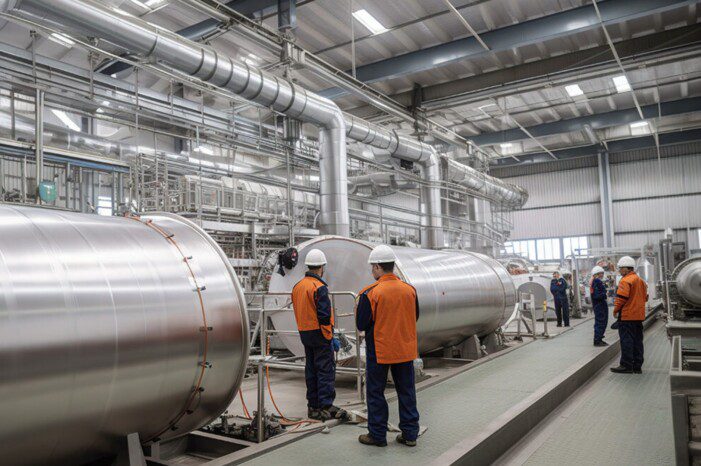
Dust explosion hazards still occur on a regular basis in the process industry causing injuries, fatalities, property damage, business interruption, and environmental pollution. Statistics show that there is a dust explosion in European industry at least once a day. Similar numbers would apply to the US. This is in spite of the wealth of knowledge available to prevent these from happening and to reduce their consequences to a minimum. In this webinar session, the CEO – Principal Engineer of Gexcon UK, Dave William Price, talks about an up-to-date look at how to identify, respond to, control, and eliminate dust explosion hazards in your own plant.

Dust explosion hazards

In this webinar, you will learn how to identify, respond to, control, and eliminate dust explosion hazards in process facilities.