Learn the key challenges in designing an effective fire and gas detection system, and how it fits within the hierarchy of risk control.
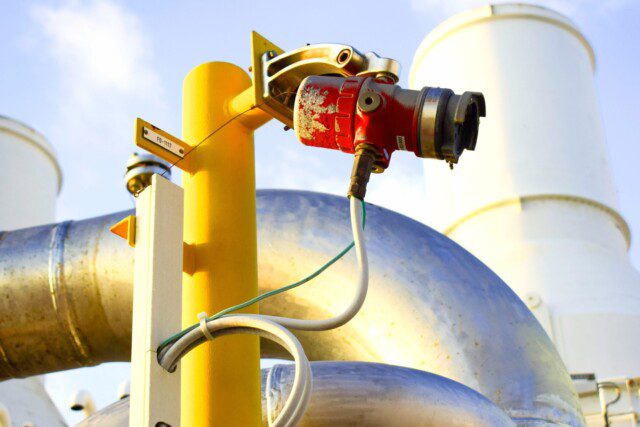
Learn the key challenges in designing an effective fire and gas detection system, and how it fits within the hierarchy of risk control.

Understand if your site falls under Seveso / COMAH and know the key steps to compliance, including land use planning considerations.
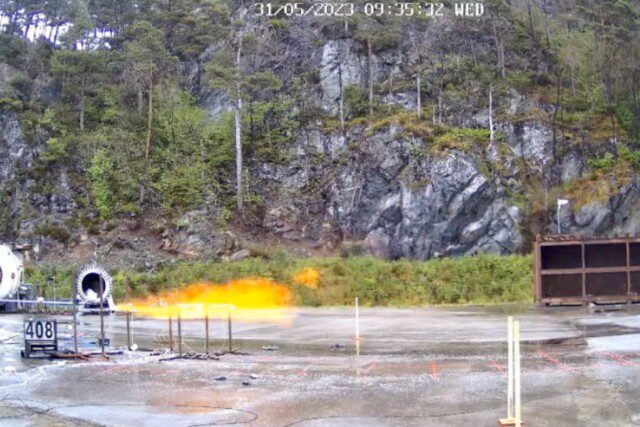
This presentation discusses the comparison between FLACS simulations and medium-scale hydrogen dispersion and explosion tests.
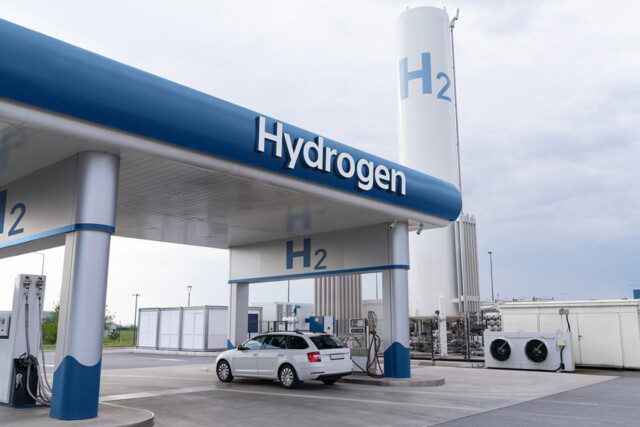
Learn how to analyse potential risk scenarios at hydrogen refuelling stations using RISKCURVES QRA software to streamline your projects.
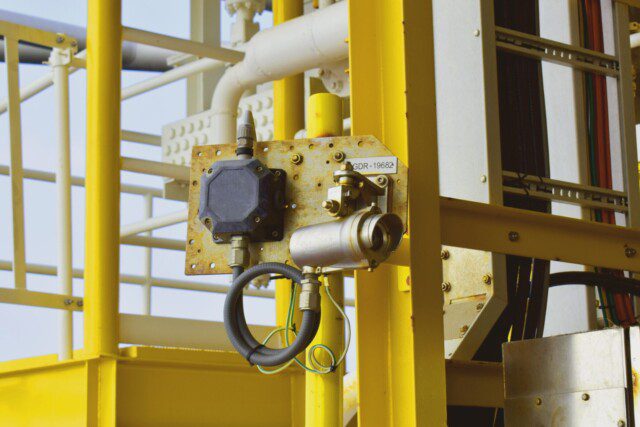
Learn how to assess gas detector performance and model gas dispersion accurately using CFD modelling tools.
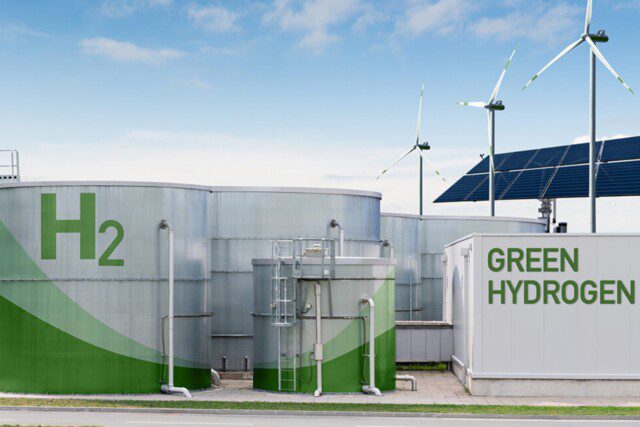
Learn what to consider when modelling hydrogen hazards across different applications and how to use EFFECTS to model those hazards.
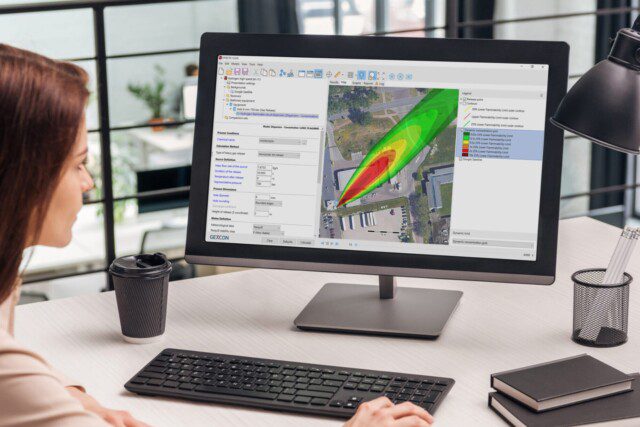
Learn about the latest advancements in EFFECTS software’s dispersion modelling and the practical applications in supporting safe energy transition.
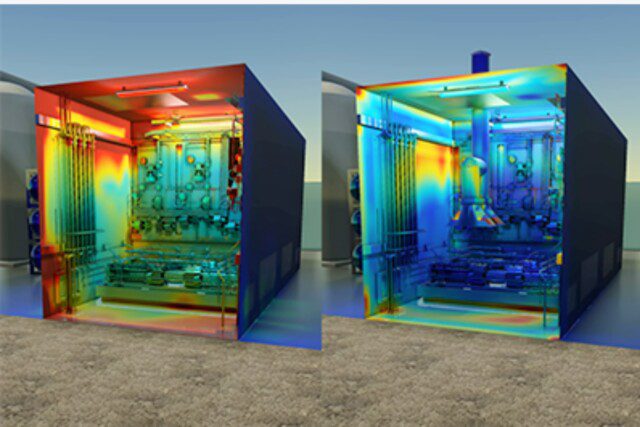
See how FLACS can assess if ventilation in enclosed hydrogen systems keeps leaks below flammable limits for safer compressor system design.
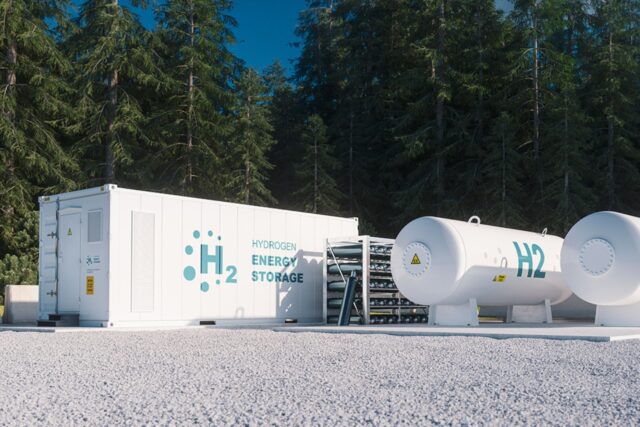
See how Gexcon is improving hydrogen combustion modelling in FLACS to reduce conservatism and support better safety assessments.
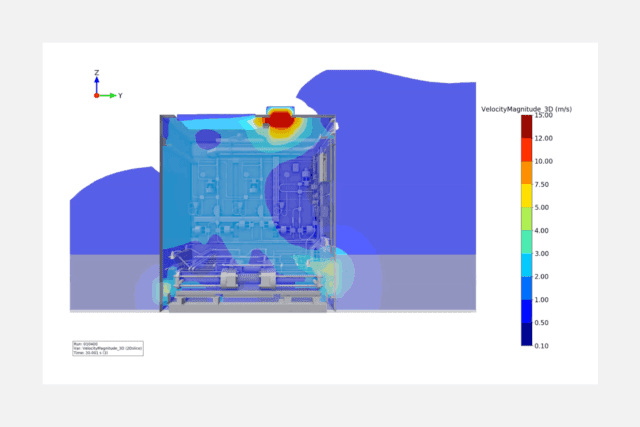
See why typical ventilation may not be enough for hydrogen safety and explore safer options for public-facing hydrogen applications.
Learn how you can use FRED to perform your safety assessments
for future fuel applications, such as hydrogen, ammonia, CO2, methanol, and more.
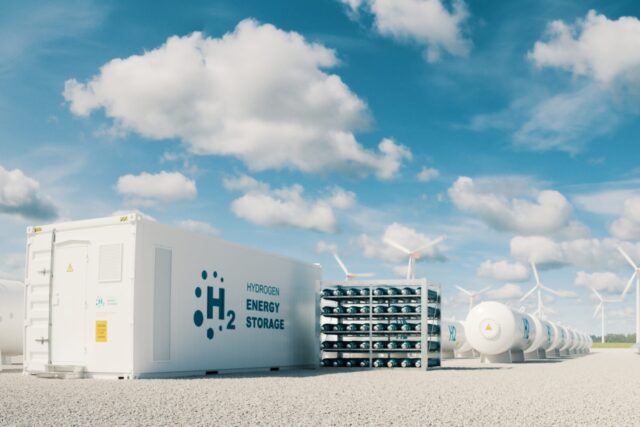
See how to identify and manage hydrogen hazards for safe deployment, especially in public-facing applications.
