Learn the key challenges in designing an effective fire and gas detection system, and how it fits within the hierarchy of risk control.
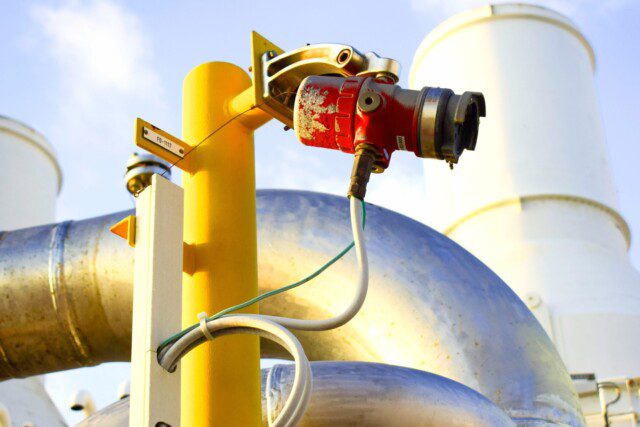
Learn the key challenges in designing an effective fire and gas detection system, and how it fits within the hierarchy of risk control.
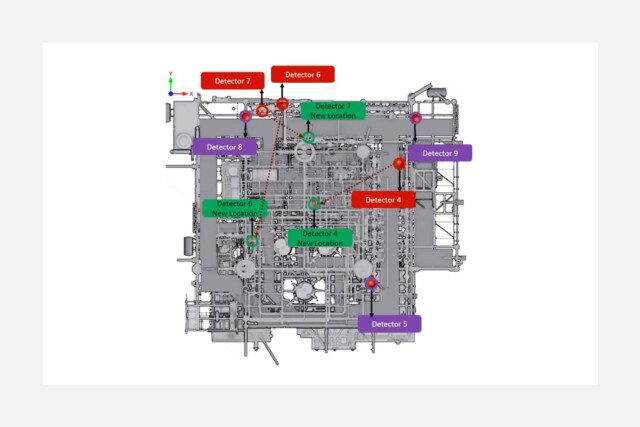
Learn how to carry out gas detector mapping and optimisation for offshore facilities using FLACS.
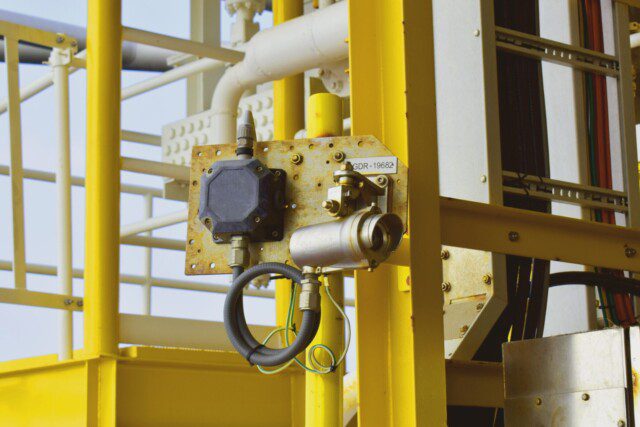
Learn how to assess gas detector performance and model gas dispersion accurately using CFD modelling tools.
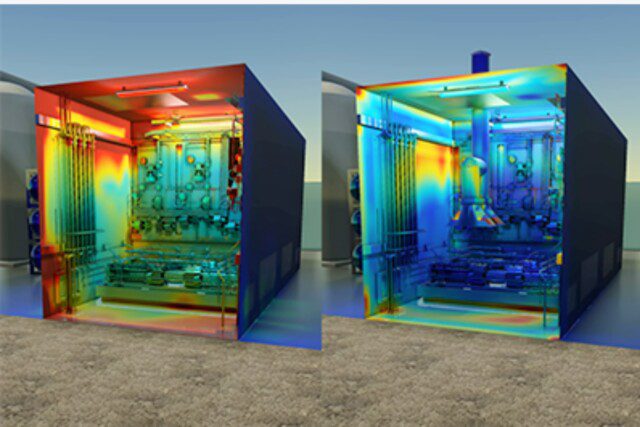
See how FLACS can assess if ventilation in enclosed hydrogen systems keeps leaks below flammable limits for safer compressor system design.
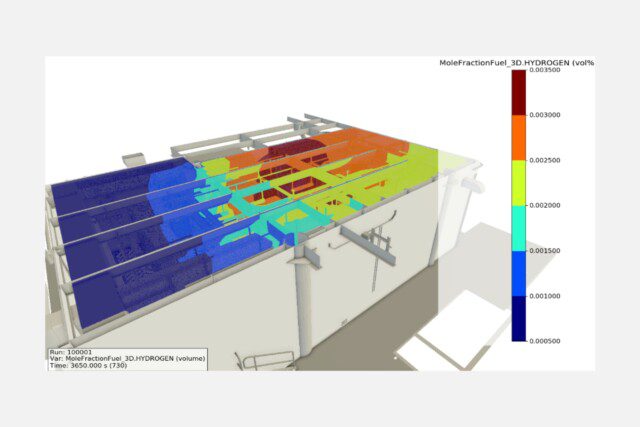
See how FLACS is used to evaluate hydrogen build-up risks in battery rooms with air recirculation and ceiling obstructions.
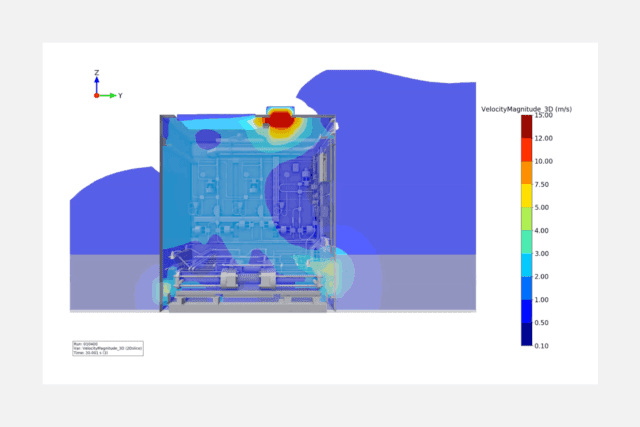
See why typical ventilation may not be enough for hydrogen safety and explore safer options for public-facing hydrogen applications.
See how to identify and manage hydrogen hazards for safe deployment, especially in public-facing applications.
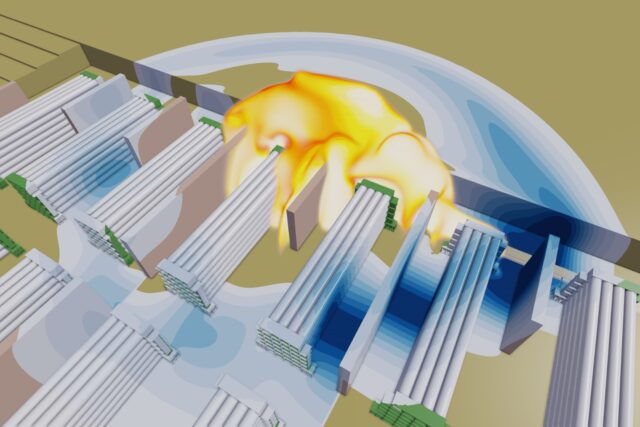
Gexcon participates in SPE’s webinar on CFD Modelling for Process Safety and Environmental Risk Assessment with a presentation titled “An innovative and efficient CFD method to solve hydrogen combustion challenges in the energy industry.”

See how FLACS models hazards from chemicals like styrene and VCM in polymer industries to support process safety decisions.
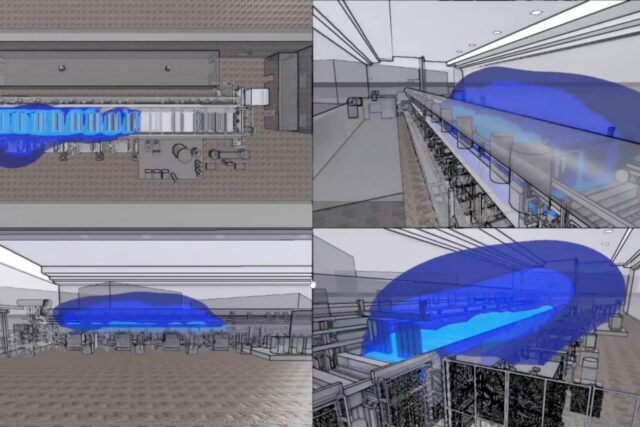
This presentation shows how detailed dispersion and ventilation modelling of hydrogen cyanide (HCN) in a closed space can support safer decision-making.
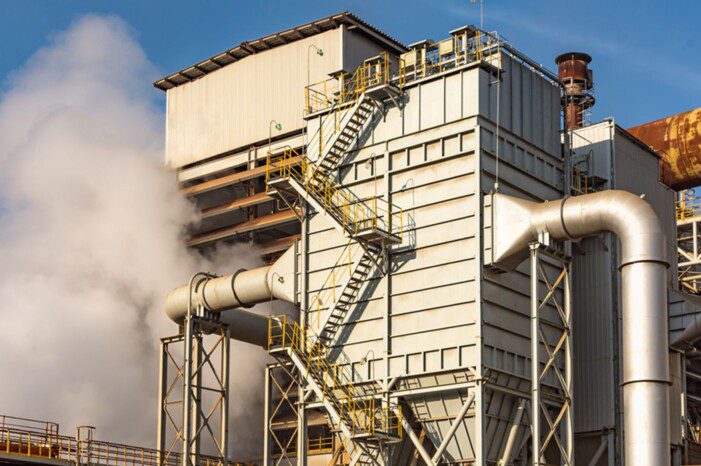
Learn how poor dust system design led to a major plant explosion and what steps to take to prevent similar combustible dust incidents.
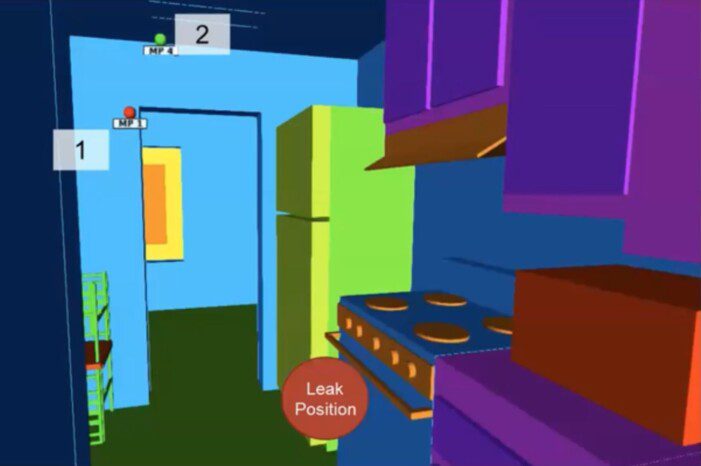
This webinar presents the research on combustible gas dispersion and detector location analysis in residential occupancies by Gexcon US for the Fire Protection Research Foundation.
