Learn the basics of ammonia hazard modelling and how advanced modelling tools can help assess the risks and consequences of ammonia releases.
Learn the basics of ammonia hazard modelling and how advanced modelling tools can help assess the risks and consequences of ammonia releases.
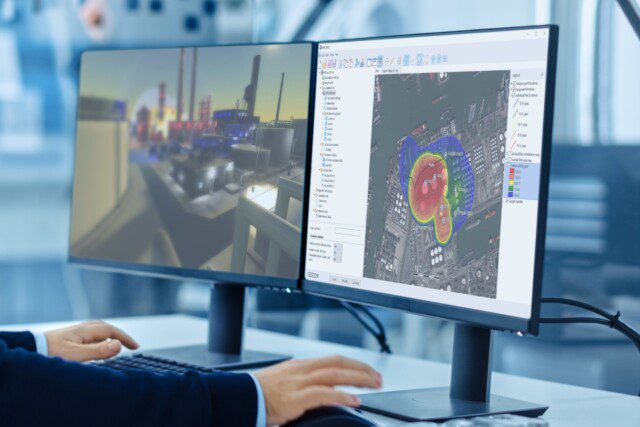
Learn how to apply a QRA hybrid approach using CFD and integral modelling methods to balance accuracy, speed, and transparency in risk assessments.
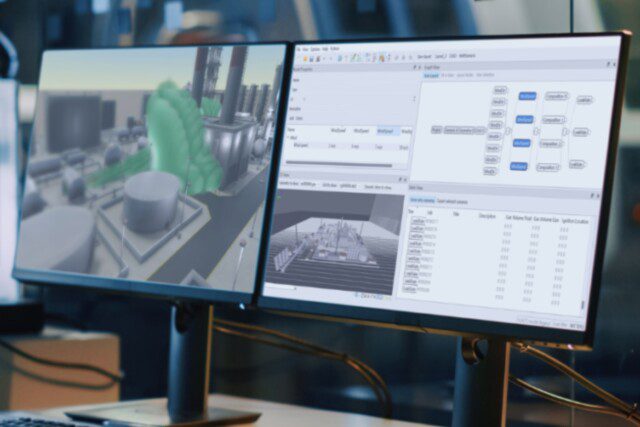
This webinar demonstrates how the updates in FLACS 25.1, including the Multiscenario feature, can streamline your assessment workflow and support better decision-making.
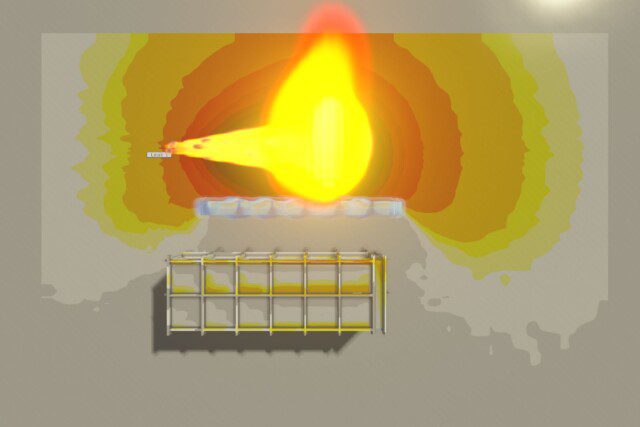
In this webinar, we will walk you through the key updates in FLACS 24.2 and demonstrate how they can benefit your safety assessments.
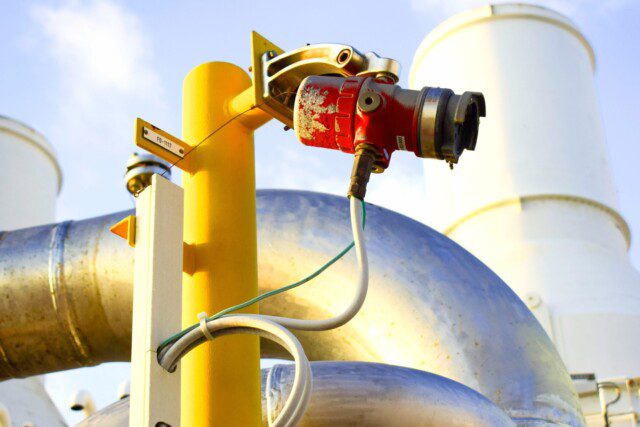
Learn the key challenges in designing an effective fire and gas detection system, and how it fits within the hierarchy of risk control.
This webinar discusses CO2 hazard modelling and demonstrates how advanced tools can be used to accurately assess and mitigate CO2 risks.
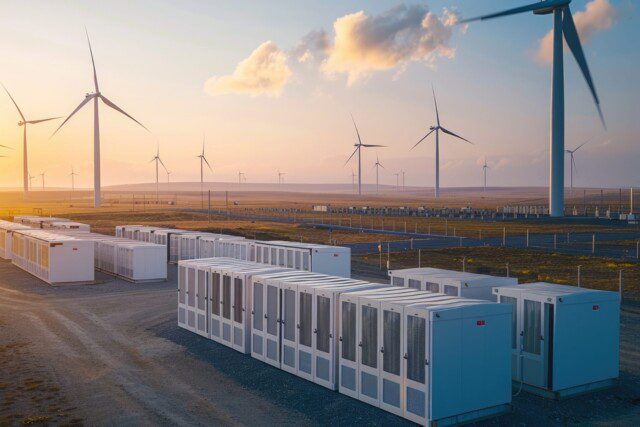
This webinar explores how to effectively model the hazards associated with batteries, focusing on potential releases of toxic and flammable substances.
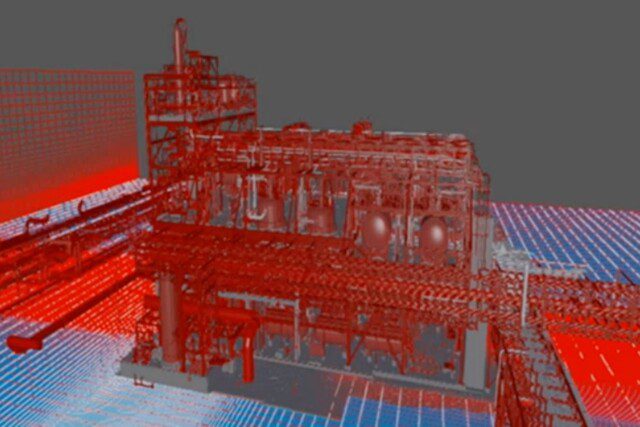
Learn how BASF used FLACS to improve shortcut methods and understand key gas explosion parameters in industrial environments.
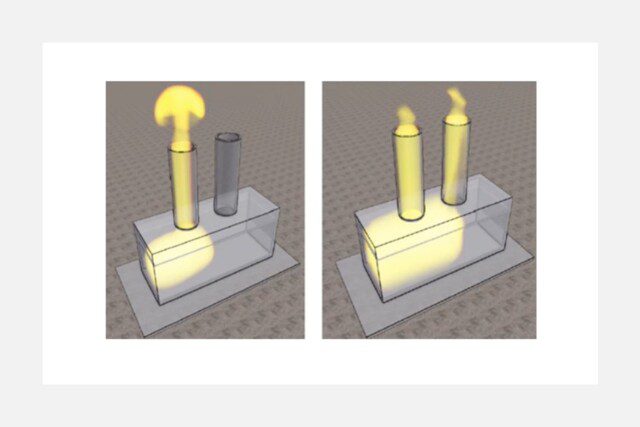
See how FLACS-DustEx was used to evaluate safe design options for managing dust hazards in an agricultural facility.
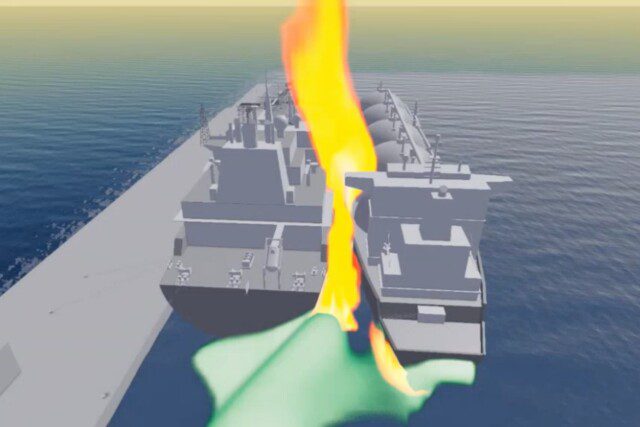
This presentation introduces a project focused on assessing LNG carriers in port areas using a combined CFD-FEM approach for thermal and mechanical analysis of the hull.
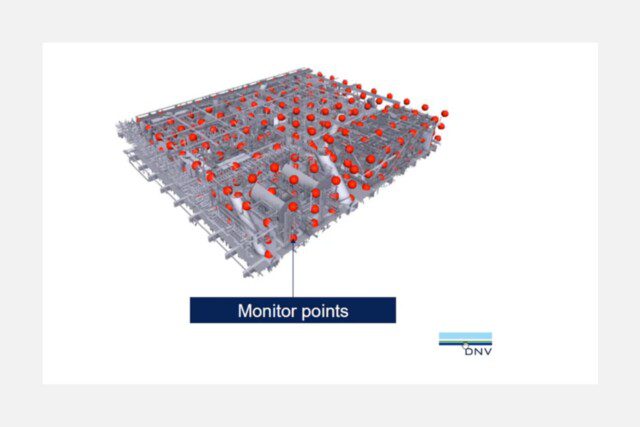
This presentation introduces a volumetric approach to drag calculation using RispEx, a simplified explosion analysis tool designed to calculate design accidental explosion loads based on key inputs available before DG2.
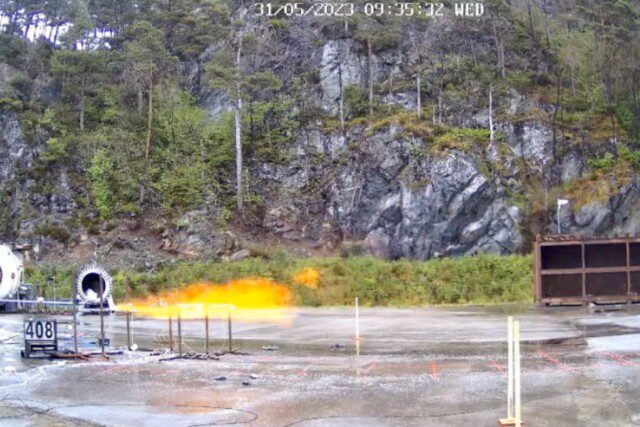
This presentation discusses the comparison between FLACS simulations and medium-scale hydrogen dispersion and explosion tests.
