Skip to content

Main Navigation

Gexcon
search
  • Solutions
    • By Application
          • Project Stages
            • Feasibility
            • Front-End Engineering Design (FEED) 
            • Construction
            • Operation
            • Modification
            • Decommissioning
          • Areas of Study
            • Process Hazard Analysis (PHA)
            • Risk Evaluation and Quantification
            • Process Safety and Operational Assurance
            • Consequence and Impact Modelling
            • Advanced Analysis and Engineering Support
            • Dust Hazards
            • Incident Investigation
            • Fire and Explosion Testing
          • Hazardous Material
            • Hydrogen
            • Liquefied Natural Gas (LNG)
            • Ammonia
            • Carbon Dioxide (CO₂) / CCUS
            • Battery Energy Storage
            • Combustible Dust
            • Flammable Liquids and Gases
            • Toxic Chemicals
          • Industrial & Facilities
            • Oil and Gas
            • LNG Terminals and Processing Plants
            • Hydrogen Production and Storage
            • CCUS Infrastructure
            • Power and Energy
            • Nuclear
            • Aviation
            • Manufacturing and Chemical Processing
            • Pharmaceuticals and Fine Chemicals
            • Offshore and Marine
            • Transportation and Logistics
    • Software
          • X-Suite Software Solution
          • FLACS
            • Overview
            • Features & Benefits
            • Simulation Modules
            • Use Cases
            • Case Studies
            • Latest Version
            • User Group
            • Customer Support
            • Contact
          • EFFECTS
            • Overview
            • Features & Benefits
            • Use Cases
            • Case Studies
            • Latest Version
            • Customer Support
            • Contact
          • RISKCURVES
            • Overview
            • Features & Benefits
            • Use Cases
            • Case Studies
            • Latest Version
            • Customer Support
            • Contact
          • Shell Software
          • FRED
          • Shepherd
          • PIPA
          • Customer Support
    • Consulting
          • Process Hazard Analysis (PHA)
            • Hazard Identification (HAZID)
            • Hazard and Operability (HAZOP)
            • Control Systems HAZOP (CHAZOP)
            • What-if Analysis
            • Failure Mode and Effects Analysis (FMEA)
            • Fault Tree Analysis (FTA)
          • Risk Evaluation and Quantification
            • BowTie Analysis
            • Layer of Protection Analysis (LOPA)
            • Quantitative Risk Assessment (QRA)
            • Explosion Risk Analysis (ERA)
            • Fire Risk Analysis
            • Emergency and Escape Route Impairment
          • Process Safety and Operational Assurance
            • Pre-Start Up Safety Reviews (PSSR)
            • Hazardous Area Classification (HAC)
            • Facility Siting
            • Regulatory and Industry Standard Compliance Audits
            • Structural Response and Integrity Analysis
            • Emergency Response Planning
            • Safety Training and Competency Development
          • Consequence and Impact Modelling
            • Release of Flammable Gas and Liquids
            • Fire, Smoke, and Heat Loading
            • Explosion and Impact Modelling
            • Toxic Gases, Pollution, and Working Environment
            • Air Quality Impact Assessment
          • Advanced Analysis and Engineering Support
            • Fire and Gas Detector Layout Optimisation
            • HVAC System Design Optimisation
            • Facility Layout Optimisation and Verification
            • Mitigation and Safety Optimisation Analysis
          • COMAH/SEVESO Compliance
          • DSEAR Compliance
          • ATEX Compliance
          • Dust Hazards
    • Incident Investigation
          • Capabilities
            • Incident Site Management
            • Evidence Collection and Inspection
            • In-situ Testing
            • Root Cause Analysis
            • Advanced Incident Reconstruction
            • Expert Witness
          • Expertise
            • Fire Cause and Origin
            • Gas Explosion
            • Dust Explosion
            • Vehicle and Heavy Machinery Fire
            • LNG
            • Hydrogen
            • Carbon Monoxide Exposure
            • Chemical Release and Exposure
            • Runaway Reaction
            • Battery and Energy Storage
            • HVAC System and Appliance Failure
          • Experts
            • Scott G. Davis, Ph.D., P.E., CFEI
            • John Pagliaro, Ph.D., P.E., CFEI
            • Tom DeBold, P.E., IAAI-CFI, CFEI
    • Fire and Explosion Testing
          • Testing Facilities
          • ATEX Product Testing and Compliance Services
          • Gas, Vapour, and Liquid Flammability Testing
          • Passive Fire Protection Equipment and Systems Testing
          • Customised Fire and Explosion Testing
          • Combustible Dust Testing
            • Explosibility Screening Test (Yes/No)
            • Minimum Ignition Energy (MIE) of Dust Cloud Test
            • Minimum Ignition Temperature (MIT) of Dust Cloud Test
            • Minimum Ignition Temperature (MIT) of Dust Layer Test
            • Explosion Severity Test (Pmax, dP/dt, KST)
            • Lower Explosion Limit Test (LEL, MEC)
            • Limiting Oxygen Concentration (LOC)
            • Burning Behaviour
            • Dust / Powder Resistivity Test
            • Hot Storage Test in Wire Baskets (Self-Ignition Temperature)
            • Electrostatic Hazard Tests
            • UN Transportation Tests (UN Class 4)
  • Training
    • Courses
    • Tailored Training
  • Resources
    • All Resources
    • Blog
    • News
    • Case studies
    • White Papers
    • Past Webinars
    • Events
    • Publications
    • eBooks
    • Knowledge Base
  • About
    • Who we are
    • Our History
    • Partnerships
    • Testimonials
    • Our global reach
    • Meet the team
    • QHSE Policy
    • ESG Risk Management
    • Research Projects
    • Careers
  • Get in touch
search

Risk Evaluation and Quantification Past Webinars

  • All
  • Blog
  • News
  • Case Studies
  • White Papers
  • Past Webinars
  • All
  • Industries and facilities
    • Aviation
    • CCUS Infrastructure
    • Hydrogen Production & Storage
    • LNG Terminals & Processing Plants
    • Manufacturing & Chemical Processing
    • Nuclear
    • Offshore & Marine
    • Oil & Gas
    • Pharmaceuticals & Fine Chemicals
    • Power & Energy
    • Transportation & Logistics
  • Specialist Domains
    • Advanced Analysis and Engineering Support
    • Consequence and Impact Modelling
    • Dust Hazards
    • EFFECTS
    • Fire & Explosion Testing
    • FLACS
    • Incident Investigation
    • Process Hazard Analysis
    • Process Safety and Operational Assurance
    • Risk Evaluation and Quantification
    • RISKCURVES
    • Shell software
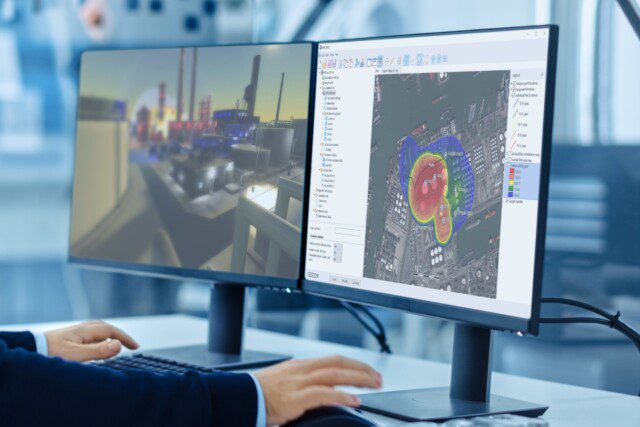
Learn how to apply a QRA hybrid approach using CFD and integral modelling methods to balance accuracy, speed, and transparency in risk assessments.
Past Webinar

How to improve QRA results with a hybrid approach using CFD and Integral methods

Learn how to apply a QRA hybrid approach using CFD and integral modelling methods to balance accuracy, speed, and transparency in risk assessments.
Read More
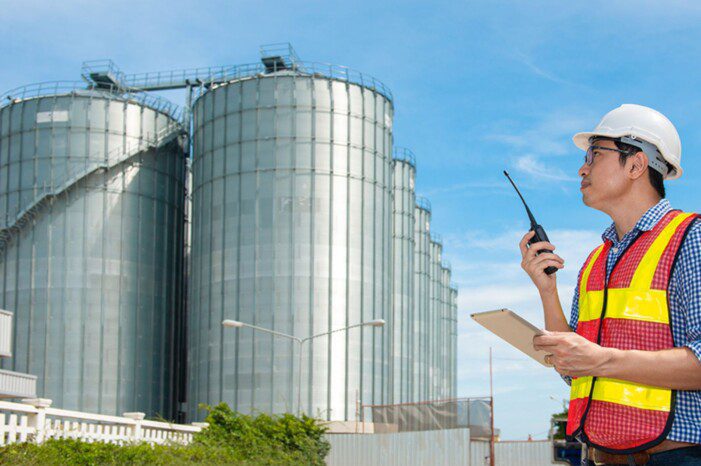
Following on from the previous webinar titled “Fundamentals of fire and explosion from handling bulk solids“, this webinar breaks down the logical steps required in a practical and structured way to demonstrate that the hazards related to fire and explosions from handling bulk solids have been assessed and reduced to as low as reasonably practicable (ALARP) to demonstrate regulatory compliance.
Past Webinar

Dust hazard analysis and prevention, the hierarchy of controls, and practical implementation

Learn the practical steps to assess fire and explosion risks from bulk solids and demonstrate ALARP for regulatory and standard compliance/
Read More
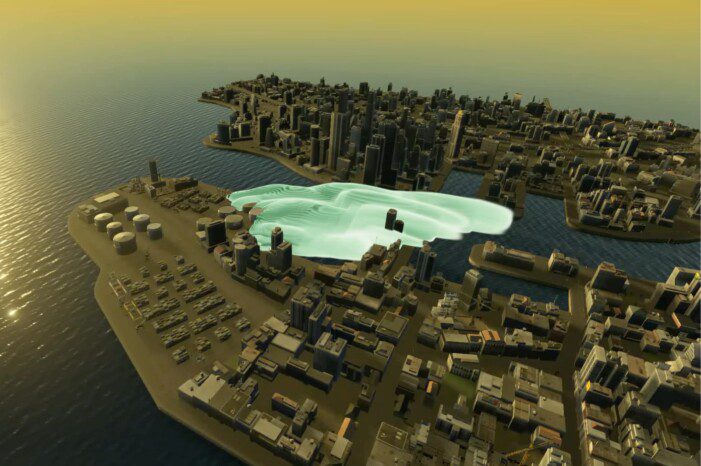
Process Hazard Analyses (PHAs) are assessments conducted by asset managers and operators that help in making decisions to improve safety in a facility. These assessments are conducted in the design, operation, and modification of processes to reduce the potential of unintended hazardous releases. Many times, however, these qualitative assessments need to be evaluated further with quantitative assessments to better assert mitigation strategies. This webinar covers a few examples of how PHA items are evaluated further using advanced modelling techniques in LNG facilities. Using 2D and 3D modelling tools allows asset stakeholders to better plan and prepare for plant activities while taking the necessary mitigation measures to reduce operational risk.
Past Webinar

Advanced modelling techniques to resolve Process Hazards Analysis action items at LNG facilities

Learn how Process Hazard Analysis (PHA) items in LNG facilities are evaluated further using advanced modelling techniques.

Read More
Home / Specialist Domains / Risk Evaluation and Quantification
Gexcon
Connect with us
Europe
  • Norway
  • Germany
  • United Kingdom
  • Netherlands
  • France
  • Sweden
The Americas
  • United States
Asia Pacific
  • Australia
  • China
  • India
  • Indonesia
  • Malaysia
  • Singapore
E-Newsletter
Sign-Up
© 2026 Gexcon AS. All rights reserved.
  • [wcc_preference_button]
  • Terms of Use
  • Legal
  • Disclaimer
  • Privacy Policy
  • Cookie Policy
  • Website by ICG