Learn the basics of ammonia hazard modelling and how advanced modelling tools can help assess the risks and consequences of ammonia releases.
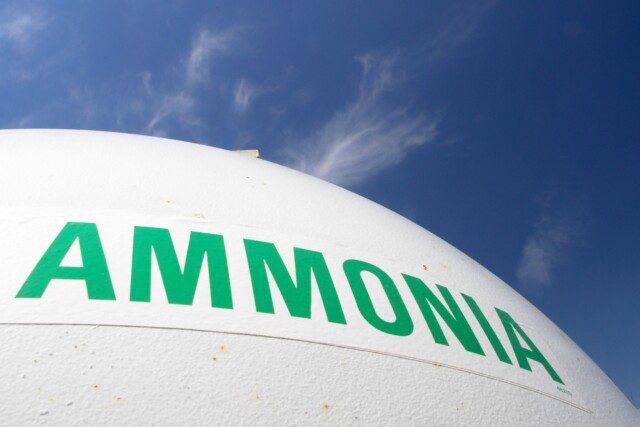
Learn the basics of ammonia hazard modelling and how advanced modelling tools can help assess the risks and consequences of ammonia releases.
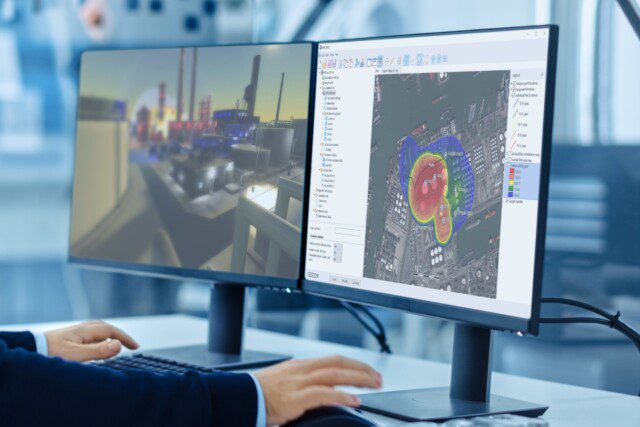
Learn how to apply a QRA hybrid approach using CFD and integral modelling methods to balance accuracy, speed, and transparency in risk assessments.
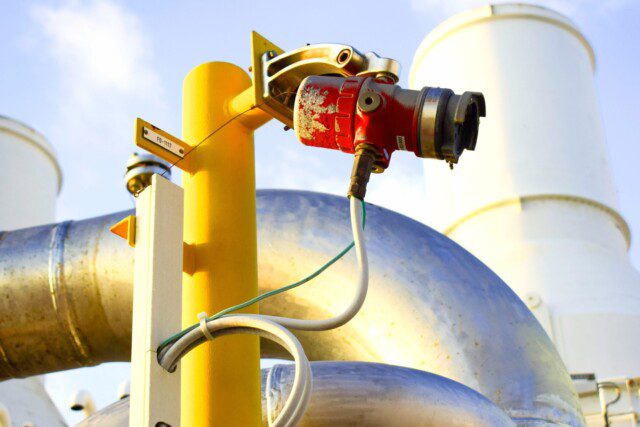
Learn the key challenges in designing an effective fire and gas detection system, and how it fits within the hierarchy of risk control.
This webinar discusses CO2 hazard modelling and demonstrates how advanced tools can be used to accurately assess and mitigate CO2 risks.
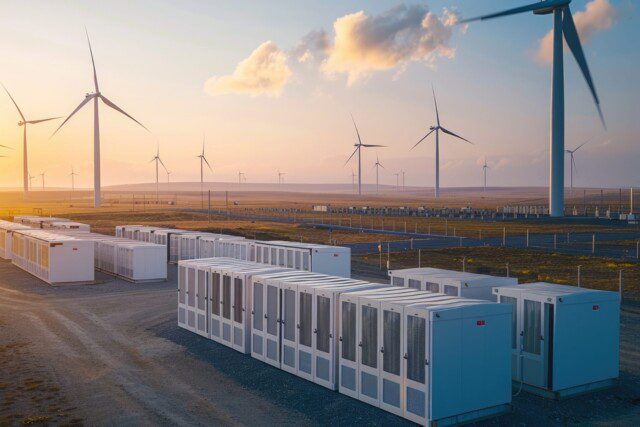
This webinar explores how to effectively model the hazards associated with batteries, focusing on potential releases of toxic and flammable substances.
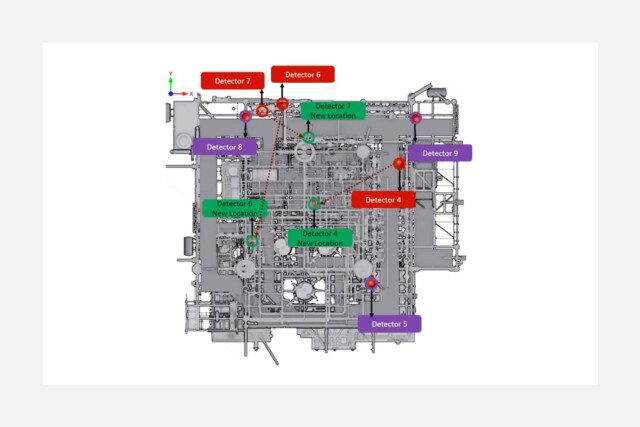
Learn how to carry out gas detector mapping and optimisation for offshore facilities using FLACS.
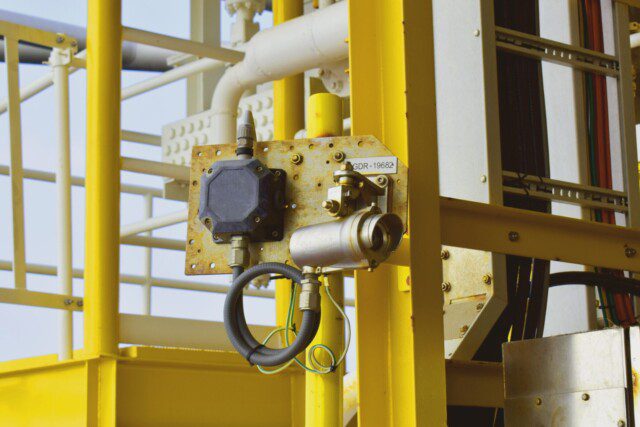
Learn how to assess gas detector performance and model gas dispersion accurately using CFD modelling tools.

See how FLACS CFD tool helps simulate hydrogen hazards in nuclear facilities and support safer design through detailed consequence analysis.
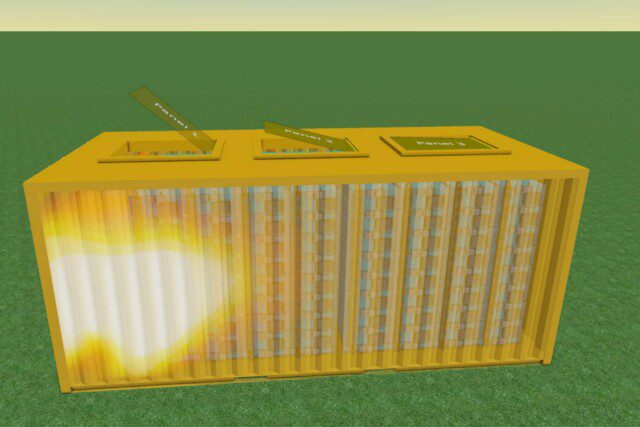
Learn how FLACS is used to simulate battery thermal runaway and compare results with experimental data for reliable analysis.
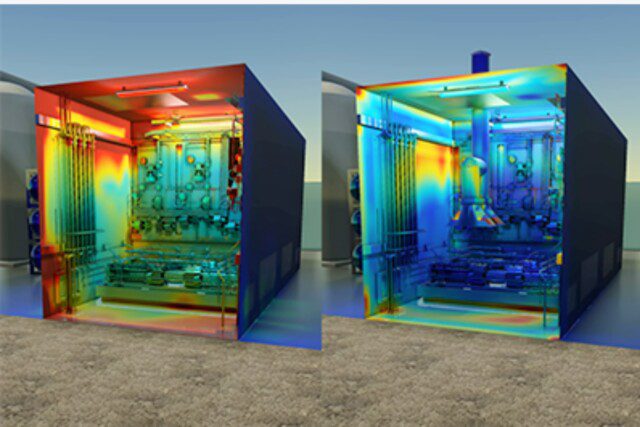
See how FLACS can assess if ventilation in enclosed hydrogen systems keeps leaks below flammable limits for safer compressor system design.
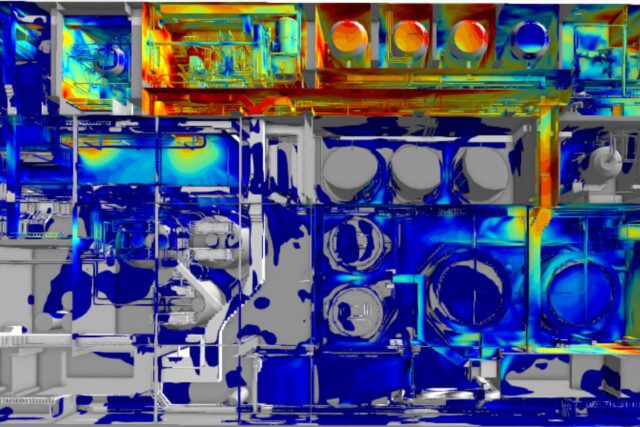
Get practical tips on combining consequence and structural response studies, including how to map blast loads to FEM models.
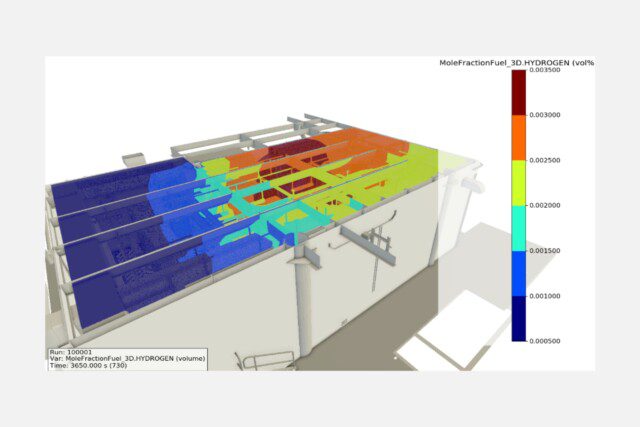
See how FLACS is used to evaluate hydrogen build-up risks in battery rooms with air recirculation and ceiling obstructions.
