Learn the basics of ammonia hazard modelling and how advanced modelling tools can help assess the risks and consequences of ammonia releases.
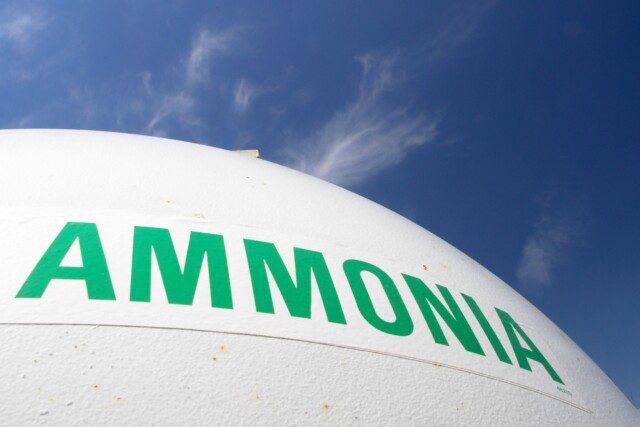
Learn the basics of ammonia hazard modelling and how advanced modelling tools can help assess the risks and consequences of ammonia releases.
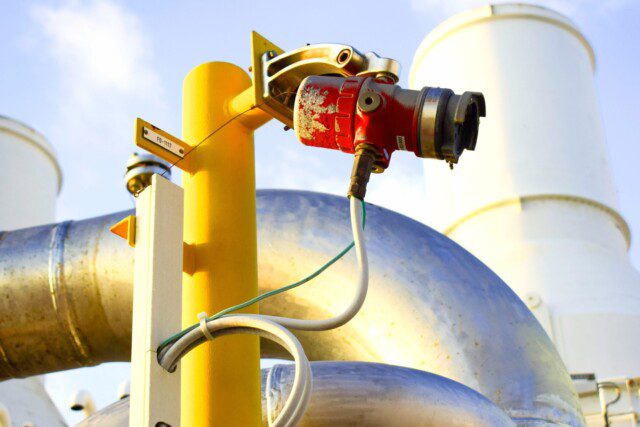
Learn the key challenges in designing an effective fire and gas detection system, and how it fits within the hierarchy of risk control.
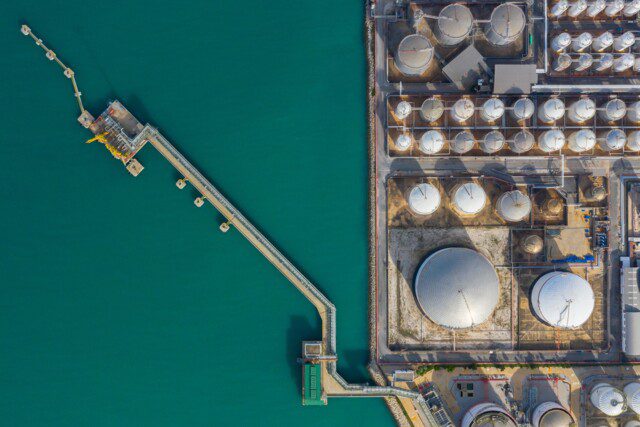
Understand if your site falls under Seveso / COMAH and know the key steps to compliance, including land use planning considerations.
This webinar discusses CO2 hazard modelling and demonstrates how advanced tools can be used to accurately assess and mitigate CO2 risks.
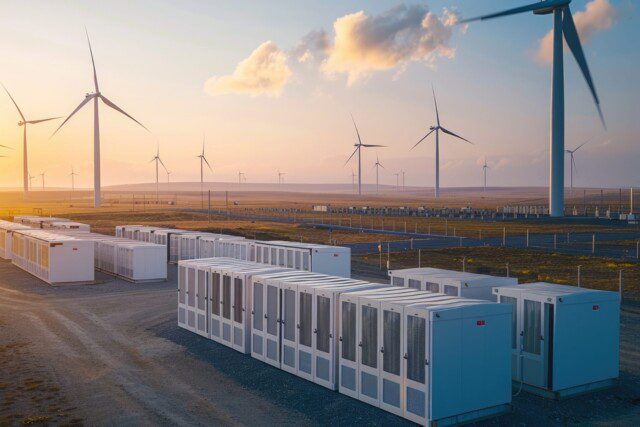
This webinar explores how to effectively model the hazards associated with batteries, focusing on potential releases of toxic and flammable substances.
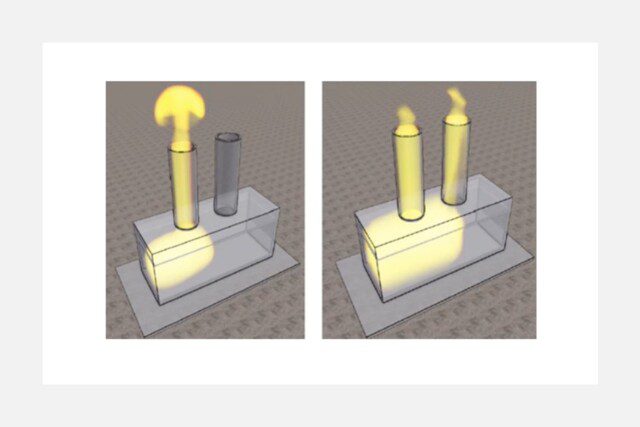
See how FLACS-DustEx was used to evaluate safe design options for managing dust hazards in an agricultural facility.
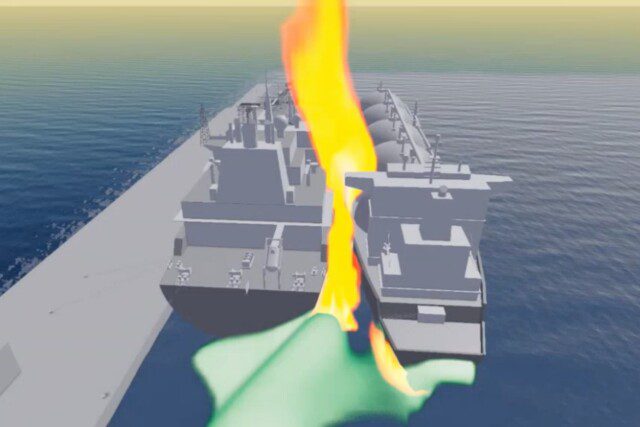
This presentation introduces a project focused on assessing LNG carriers in port areas using a combined CFD-FEM approach for thermal and mechanical analysis of the hull.
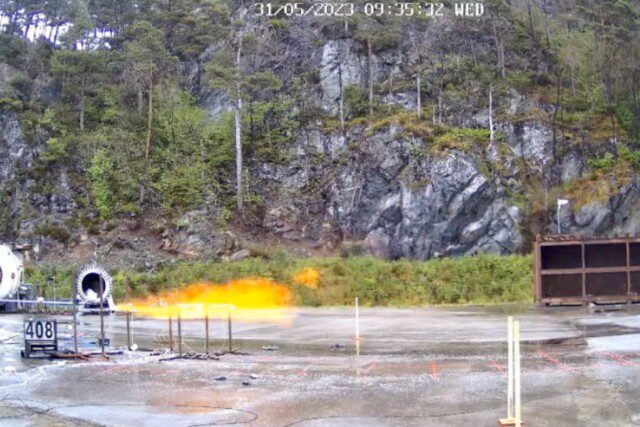
This presentation discusses the comparison between FLACS simulations and medium-scale hydrogen dispersion and explosion tests.
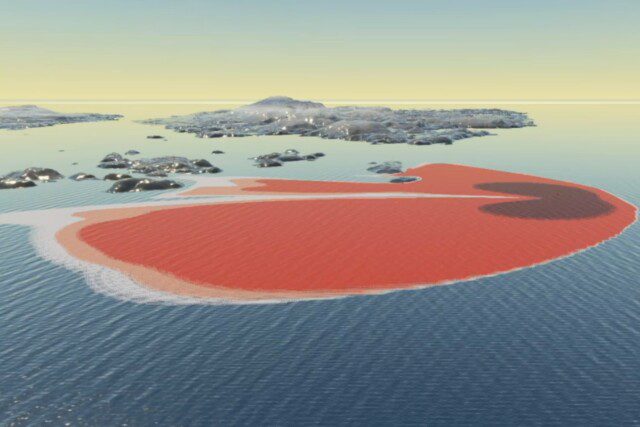
This presentation explores the potential consequences at the surface from a rupture in a subsea pipeline.
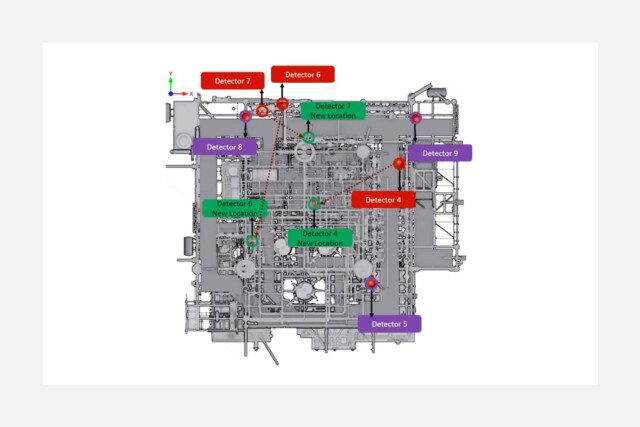
Learn how to carry out gas detector mapping and optimisation for offshore facilities using FLACS.
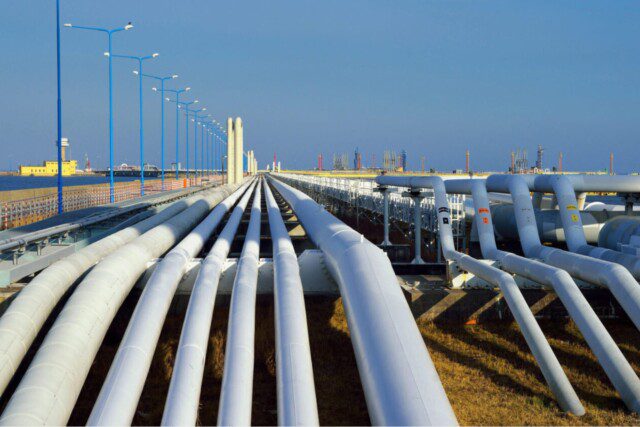
See how to model releases from long pipeline and calculate IRPA using EFFECTS and RISKCURVES to support more reliable safety assessments.
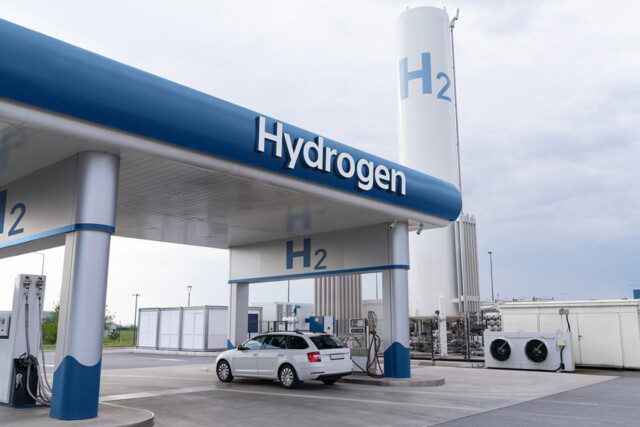
Learn how to analyse potential risk scenarios at hydrogen refuelling stations using RISKCURVES QRA software to streamline your projects.
