This presentation explores the idea of constructing and training a neural network (NN) model based on FLACS results.
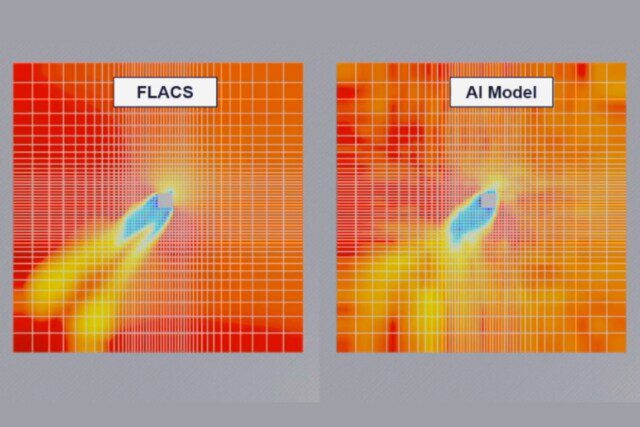
This presentation explores the idea of constructing and training a neural network (NN) model based on FLACS results.
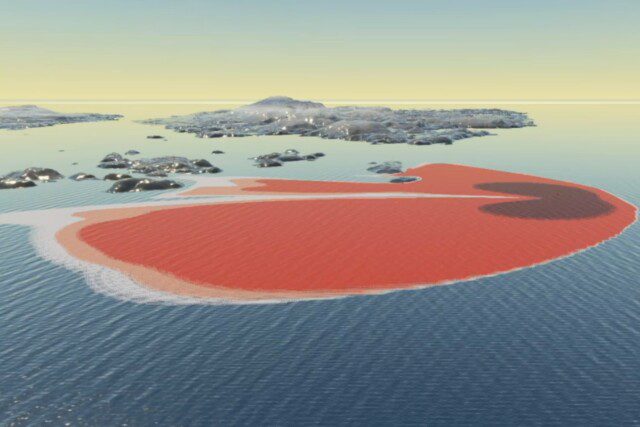
This presentation explores the potential consequences at the surface from a rupture in a subsea pipeline.
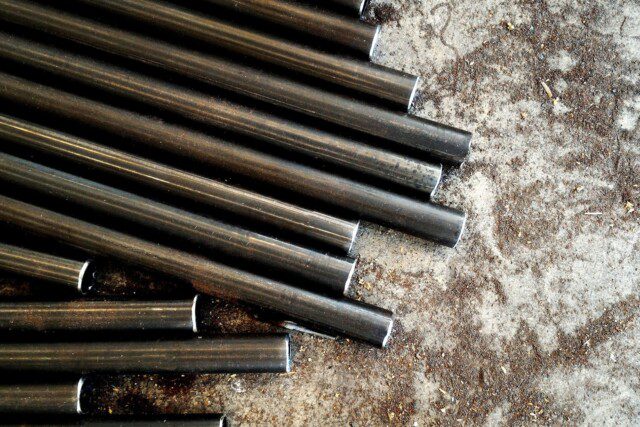
See the challenges and progress in modelling metal dusts using FLACS-DustEx.
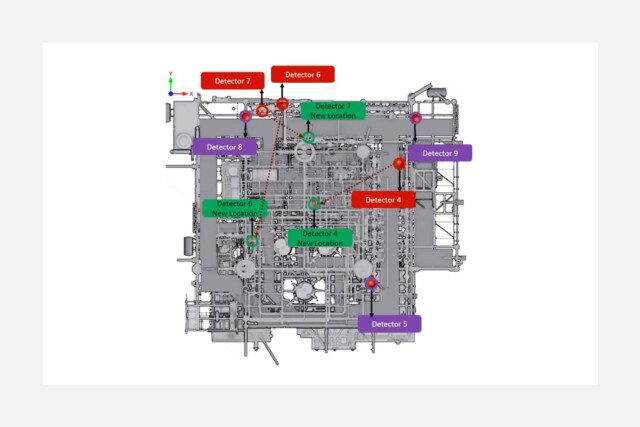
Learn how to carry out gas detector mapping and optimisation for offshore facilities using FLACS.
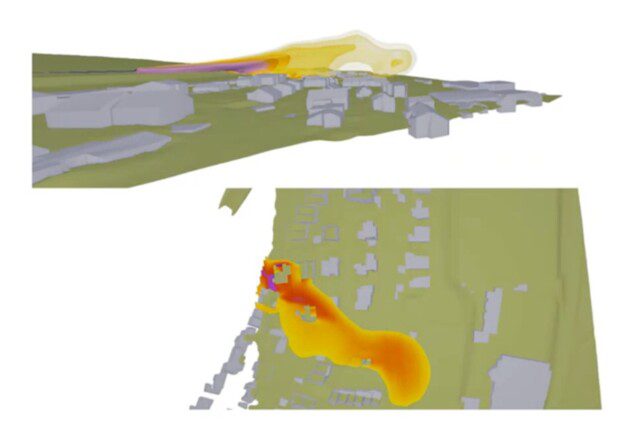
This presentation explains how EFFECTS and FLACS are integrated via API to enable smoother data exchange between the two tools.
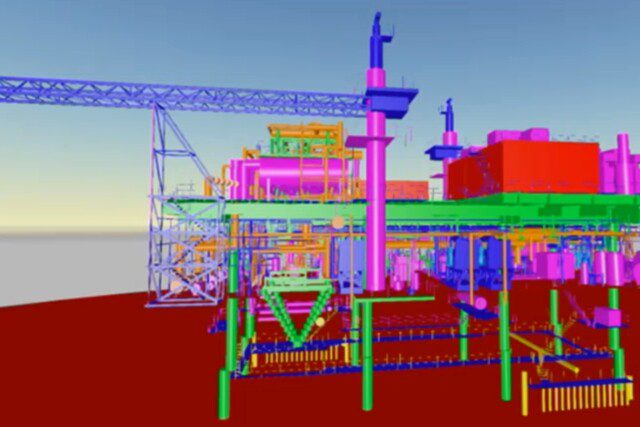
Investigating how surrogate models could support more efficient consequence analysis in FLACS.
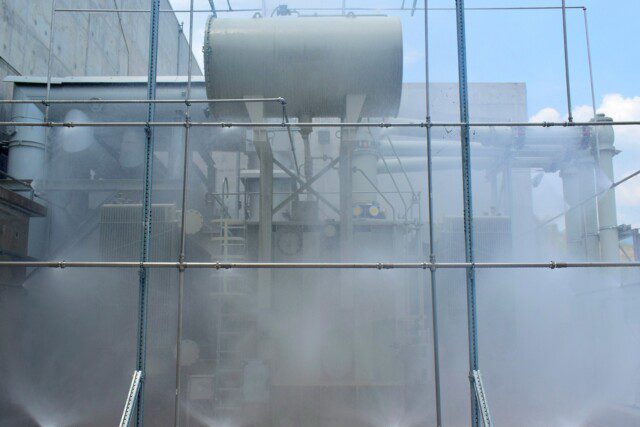
This presentation introduces the new water deluge modelling capability in FLACS.
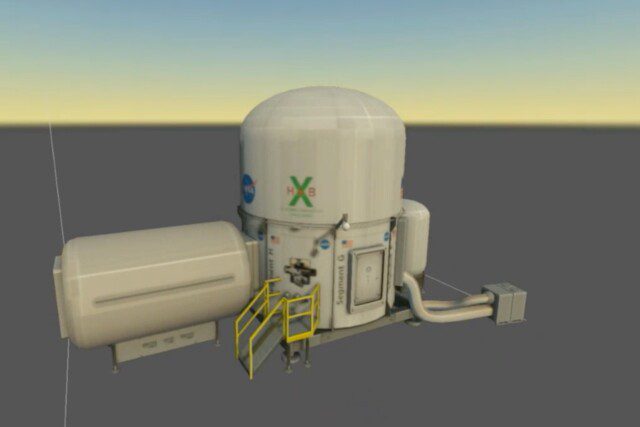
This presentation aims to showcase lesser-known features in FLACS that can significantly improve your workflow and results.
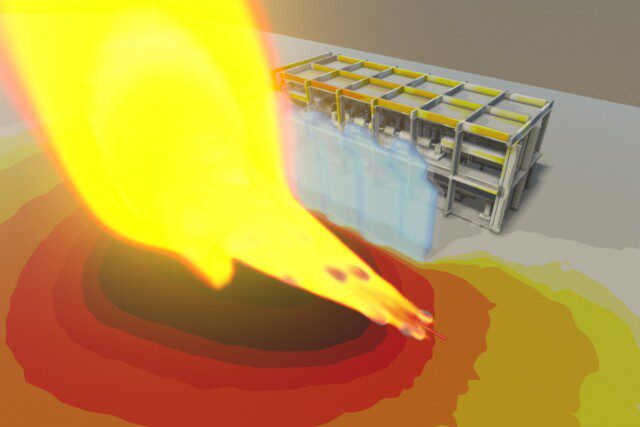
Learn about the roadmap for FLACS CFD consequence modelling software development as presented in FLUG 2024.
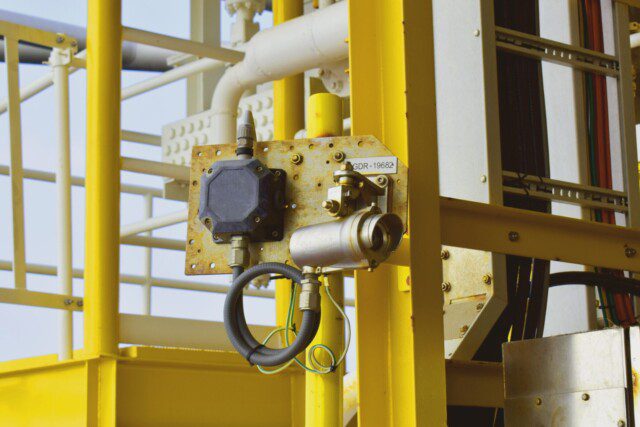
Learn how to assess gas detector performance and model gas dispersion accurately using CFD modelling tools.

See how FLACS CFD tool helps simulate hydrogen hazards in nuclear facilities and support safer design through detailed consequence analysis.
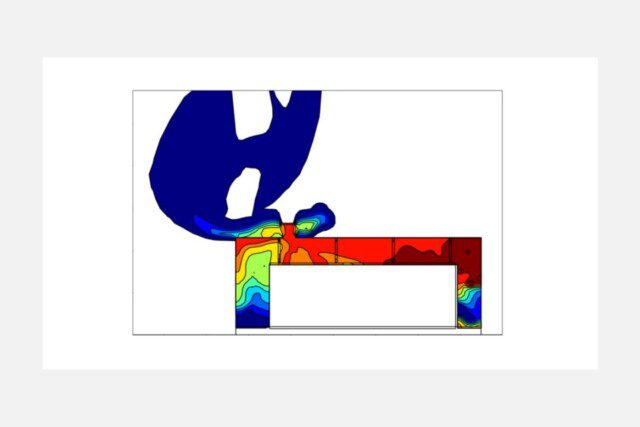
ENGIE Lab CRIGEN presents the HyCARE Project and how FLACS plays a key role in verifying the safety of the developed hydrogen storage systems.
