FLACS is compared with experimental data to assess the applicability of the ongoing CFD modelling guidelines in France for land use planning.
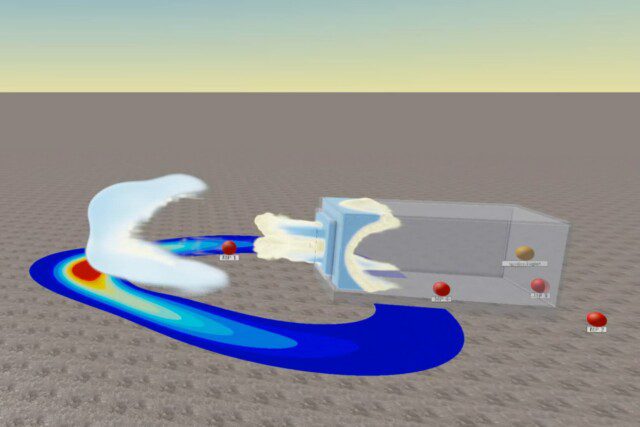
FLACS is compared with experimental data to assess the applicability of the ongoing CFD modelling guidelines in France for land use planning.
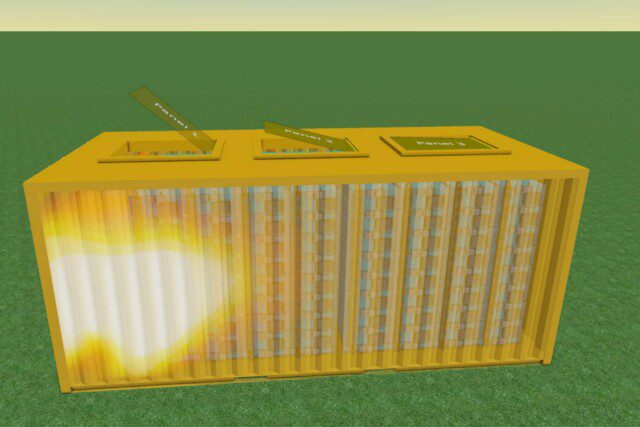
Learn how FLACS is used to simulate battery thermal runaway and compare results with experimental data for reliable analysis.
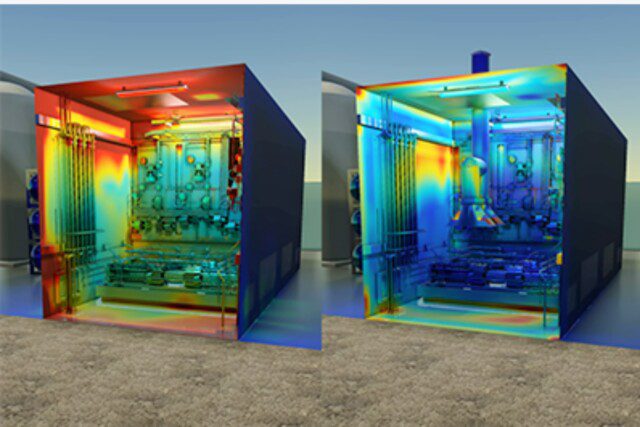
See how FLACS can assess if ventilation in enclosed hydrogen systems keeps leaks below flammable limits for safer compressor system design.
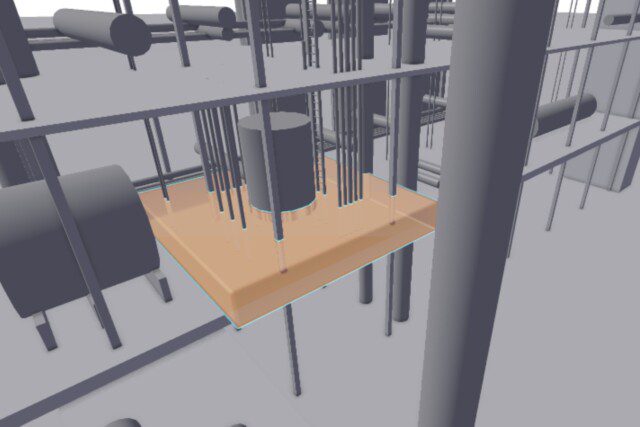
See how FLACS is used to study early peak overpressures at large distances immediately after ignition and what factors influence this behaviour.
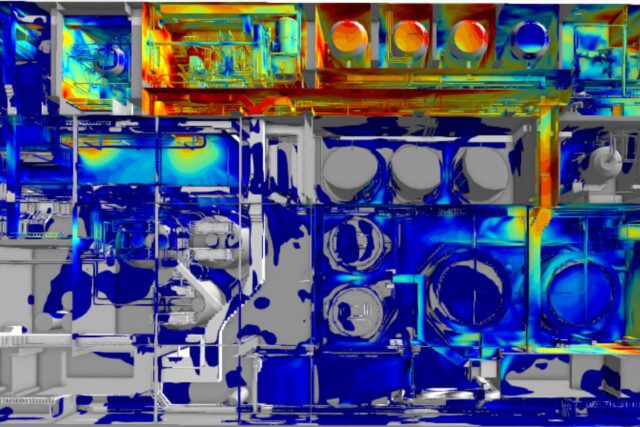
Get practical tips on combining consequence and structural response studies, including how to map blast loads to FEM models.
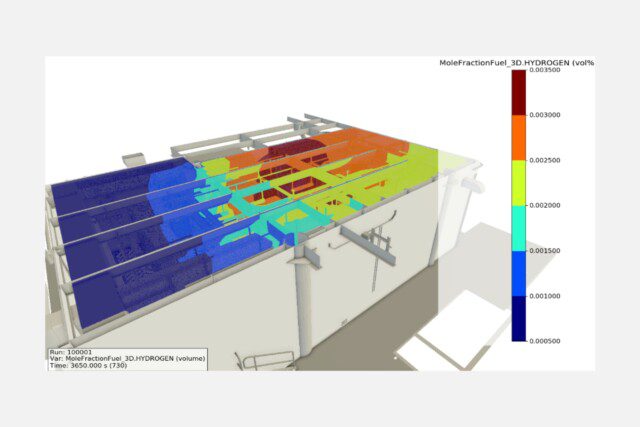
See how FLACS is used to evaluate hydrogen build-up risks in battery rooms with air recirculation and ceiling obstructions.
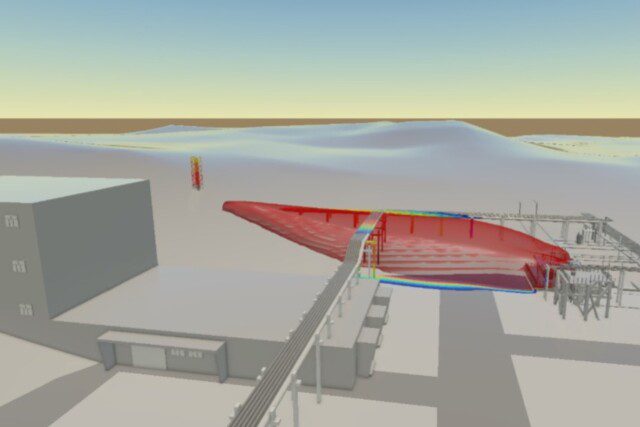
Find out how different modelling approaches assess ammonia release scenarios and support better risk management decisions.
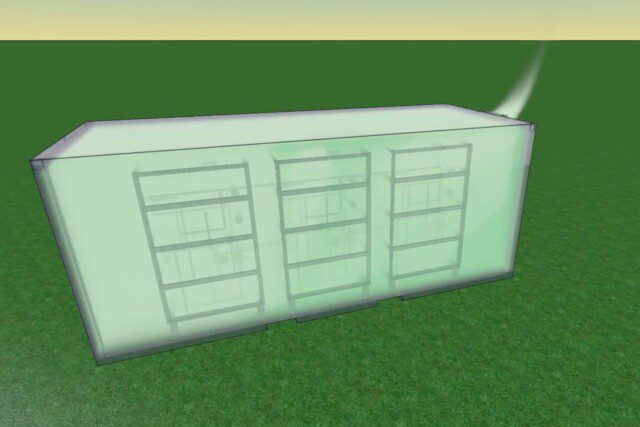
See how FLACS is used to simulate hydrogen dispersion in confined containers and support safer hydrogen system design and operation.
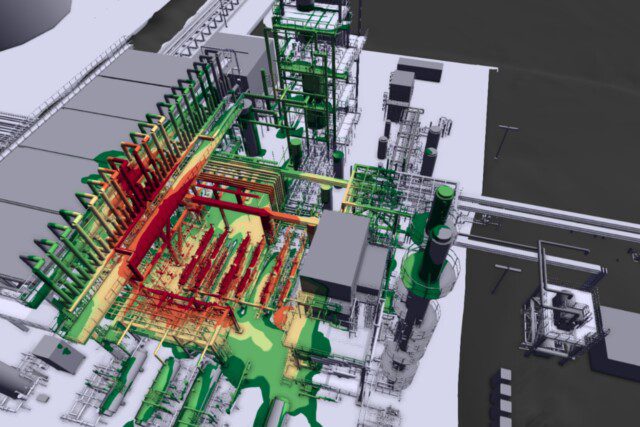
See how to combine Gexcon’s X-Suite software—EFFECTS, FLACS, and RISKCURVES—to carry out safety studies more efficiently.
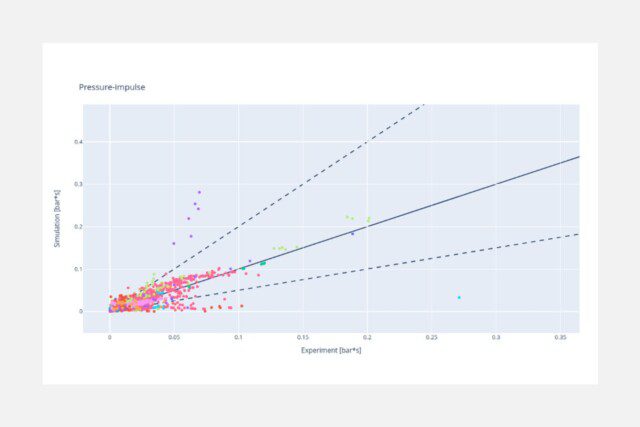
Learn how the new validation GUI in FLACS helps you manage uncertainty in risk assessments with an improved validation process.
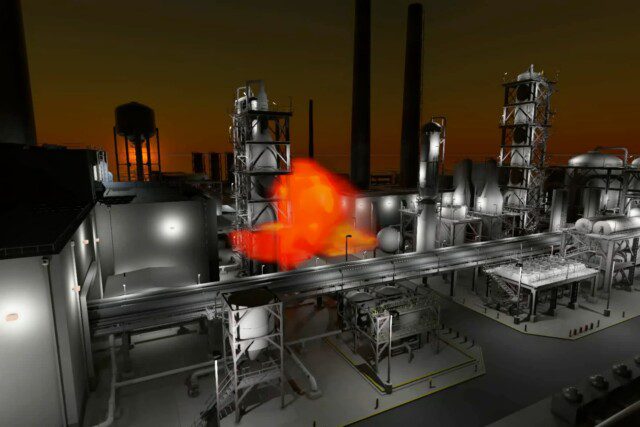
Learn about FLACS-Fire’s sub-models, validation efforts, current challenges, and how it’s evolving to support accurate fire consequence modelling.
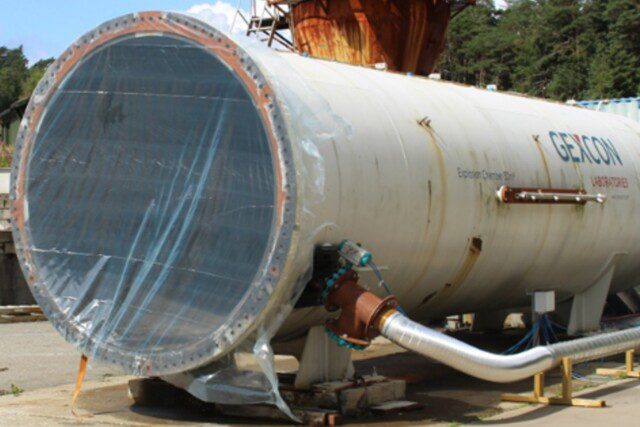
See how hydrogen-nitrogen explosion tests help improve FLACS modelling for hydrogen-rich mixtures and support safer operations in nuclear plants.
