This presentation introduces a project focused on assessing LNG carriers in port areas using a combined CFD-FEM approach for thermal and mechanical analysis of the hull.
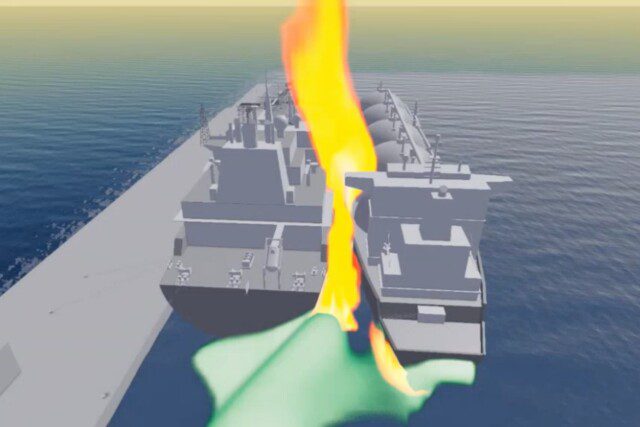
This presentation introduces a project focused on assessing LNG carriers in port areas using a combined CFD-FEM approach for thermal and mechanical analysis of the hull.
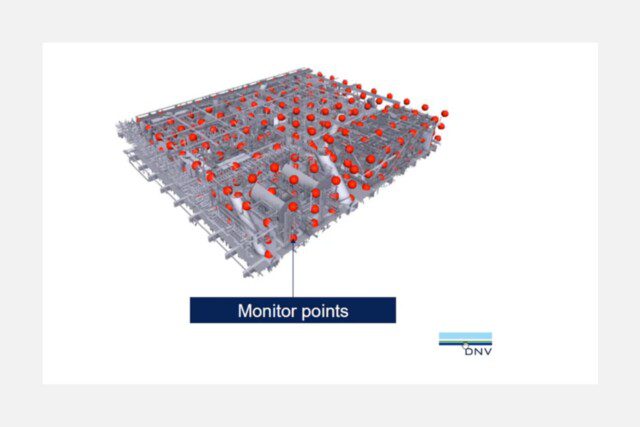
This presentation introduces a volumetric approach to drag calculation using RispEx, a simplified explosion analysis tool designed to calculate design accidental explosion loads based on key inputs available before DG2.
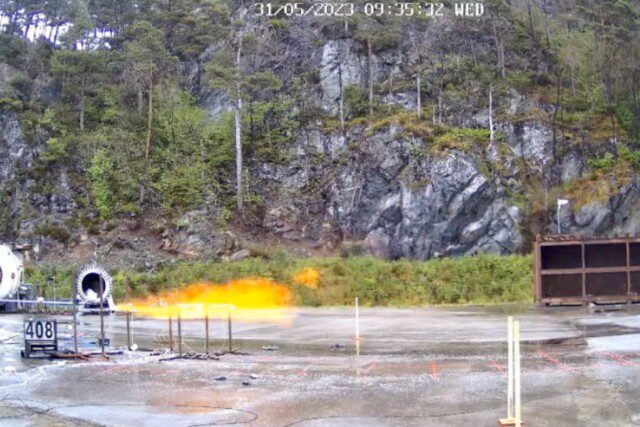
This presentation discusses the comparison between FLACS simulations and medium-scale hydrogen dispersion and explosion tests.
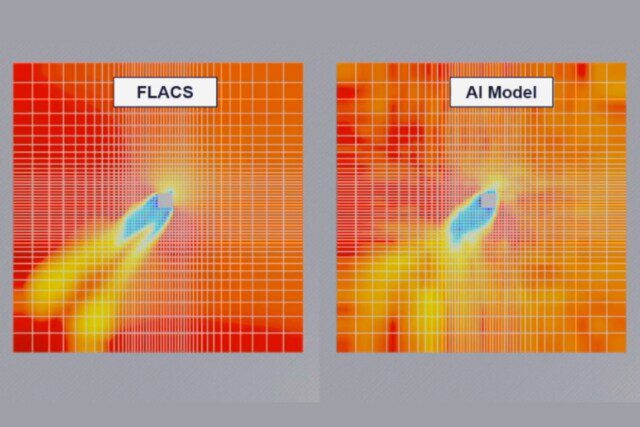
This presentation explores the idea of constructing and training a neural network (NN) model based on FLACS results.
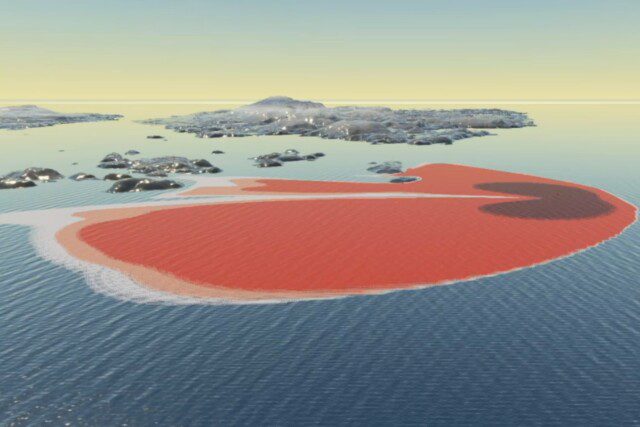
This presentation explores the potential consequences at the surface from a rupture in a subsea pipeline.
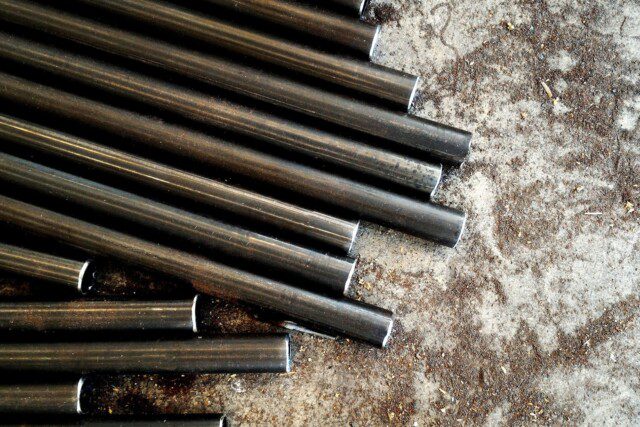
See the challenges and progress in modelling metal dusts using FLACS-DustEx.
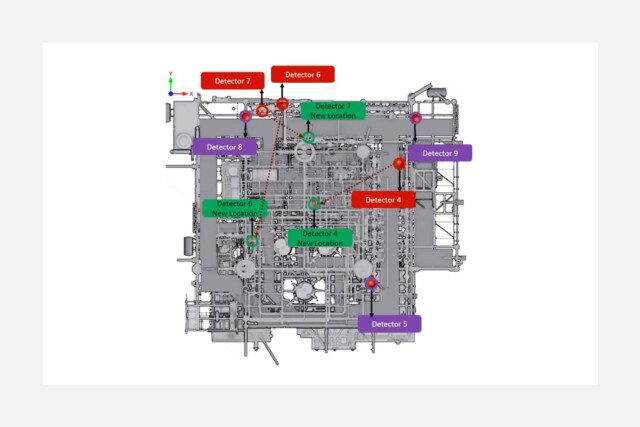
Learn how to carry out gas detector mapping and optimisation for offshore facilities using FLACS.
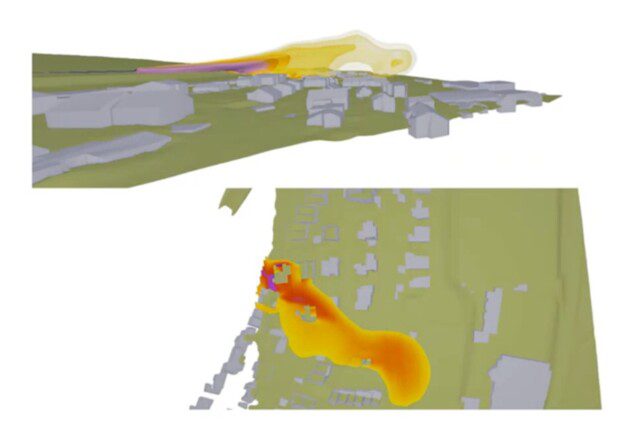
This presentation explains how EFFECTS and FLACS are integrated via API to enable smoother data exchange between the two tools.
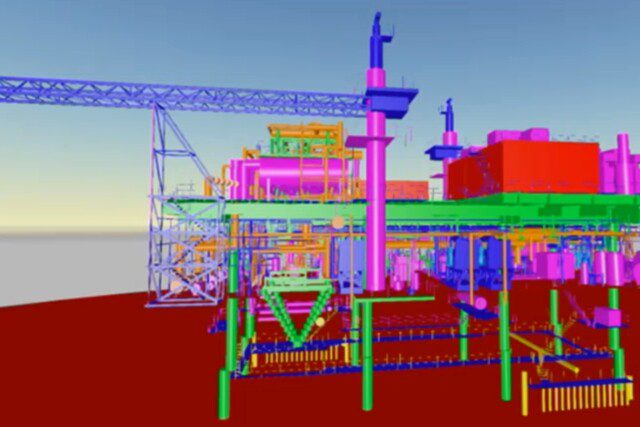
Investigating how surrogate models could support more efficient consequence analysis in FLACS.
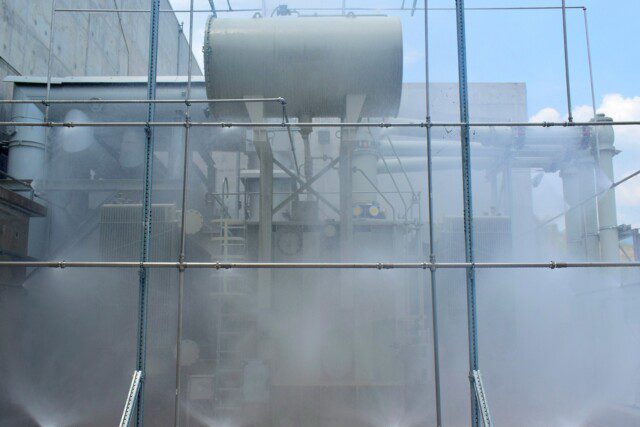
This presentation introduces the new water deluge modelling capability in FLACS.
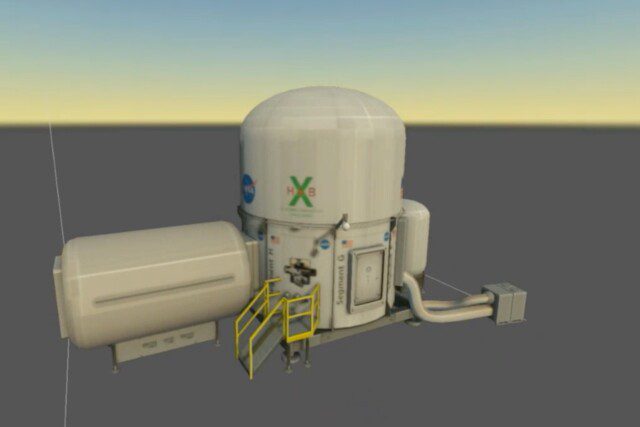
This presentation aims to showcase lesser-known features in FLACS that can significantly improve your workflow and results.
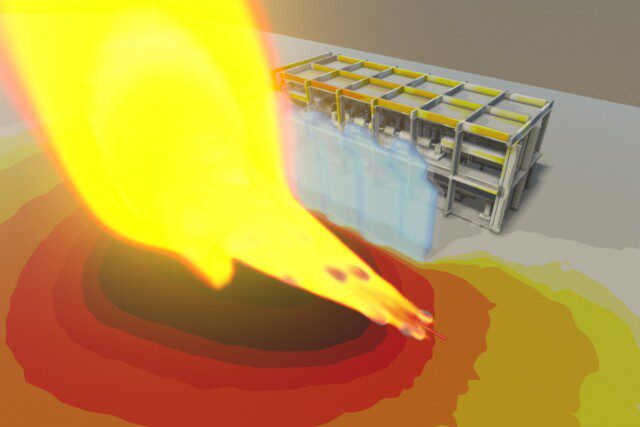
Learn about the roadmap for FLACS CFD consequence modelling software development as presented in FLUG 2024.
