Get practical tips on combining consequence and structural response studies, including how to map blast loads to FEM models.
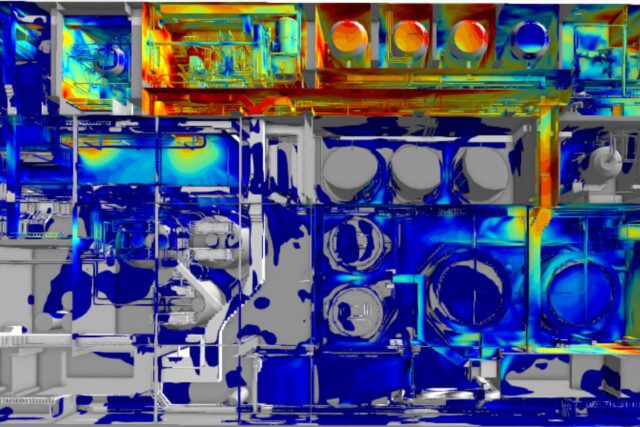
Watch our on-demand webinars for expert insights, product launches, project highlights, and more.
Get practical tips on combining consequence and structural response studies, including how to map blast loads to FEM models.
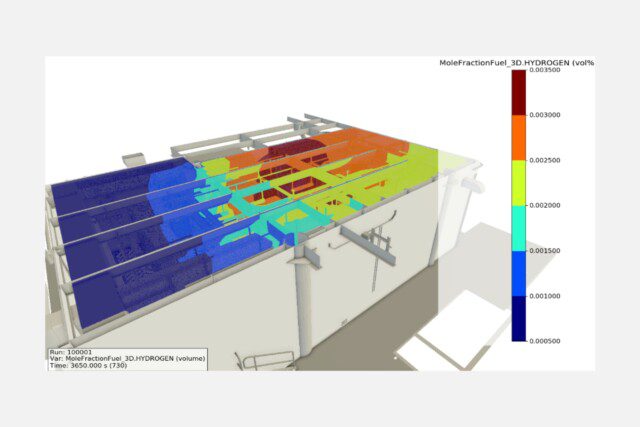
See how FLACS is used to evaluate hydrogen build-up risks in battery rooms with air recirculation and ceiling obstructions.
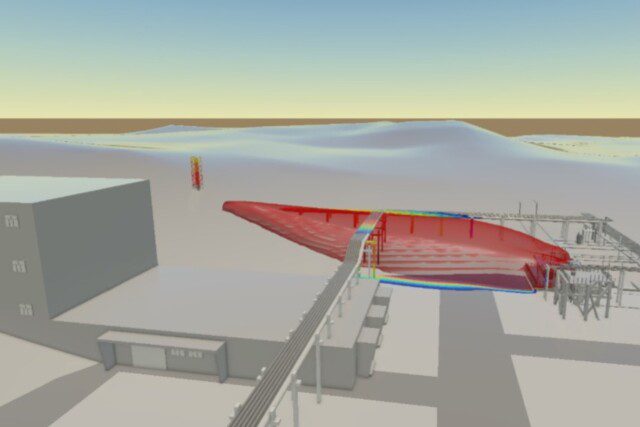
Find out how different modelling approaches assess ammonia release scenarios and support better risk management decisions.
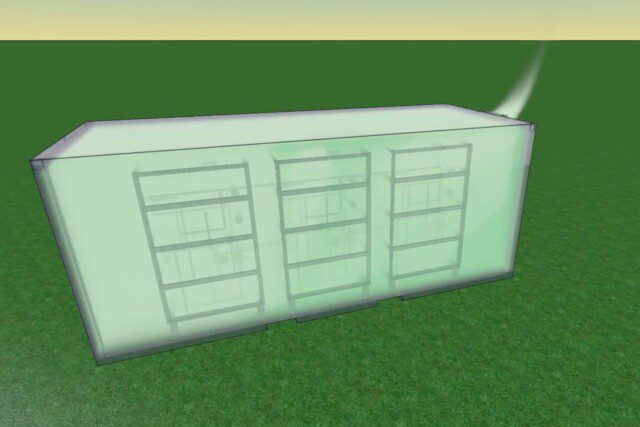
See how FLACS is used to simulate hydrogen dispersion in confined containers and support safer hydrogen system design and operation.
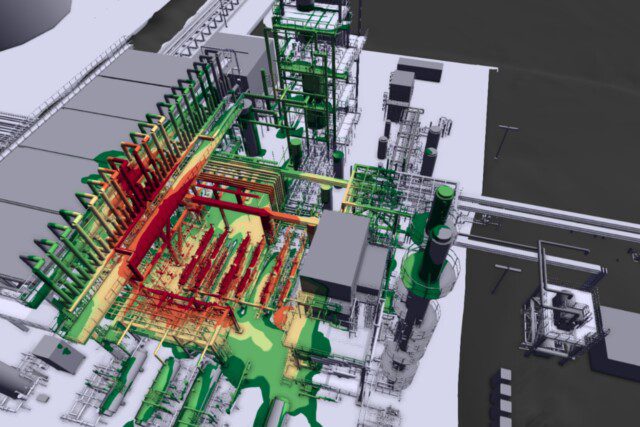
See how to combine Gexcon’s X-Suite software—EFFECTS, FLACS, and RISKCURVES—to carry out safety studies more efficiently.
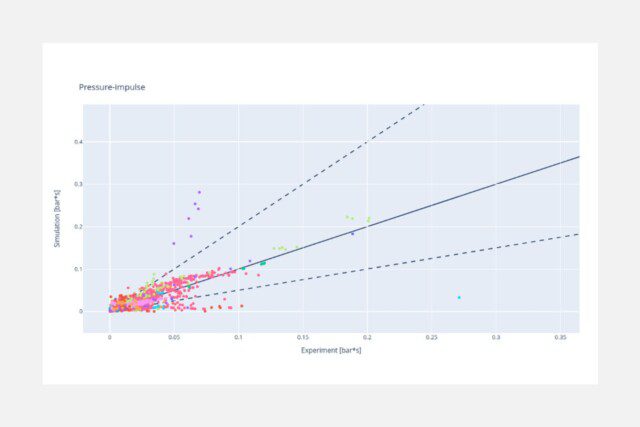
Learn how the new validation GUI in FLACS helps you manage uncertainty in risk assessments with an improved validation process.
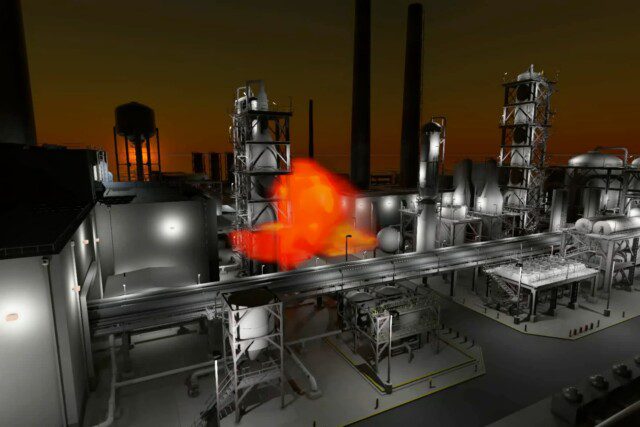
Learn about FLACS-Fire’s sub-models, validation efforts, current challenges, and how it’s evolving to support accurate fire consequence modelling.
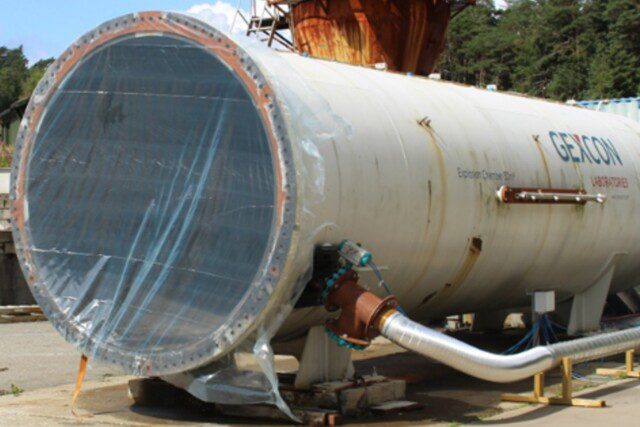
See how hydrogen-nitrogen explosion tests help improve FLACS modelling for hydrogen-rich mixtures and support safer operations in nuclear plants.
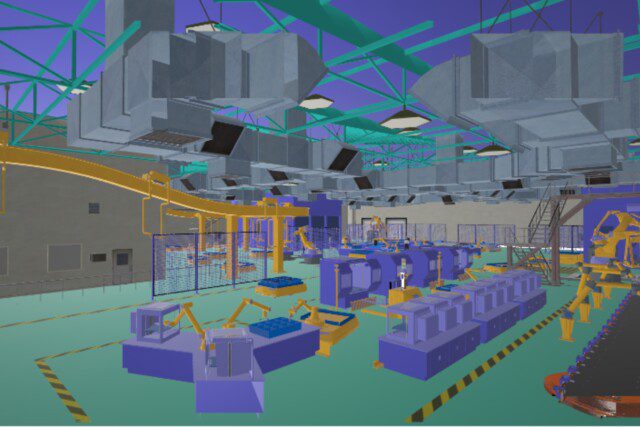
See the latest geometry modelling features in FLACS including CAD import, mesh handling, and performance improvements.
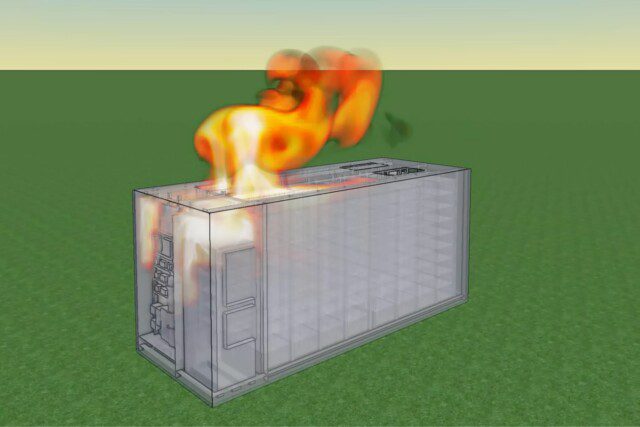
This presentation outlines Gexcon’s past, current, and future R&D projects, and delves into the utilisation of FLACS for zero and low-carbon energy sources.
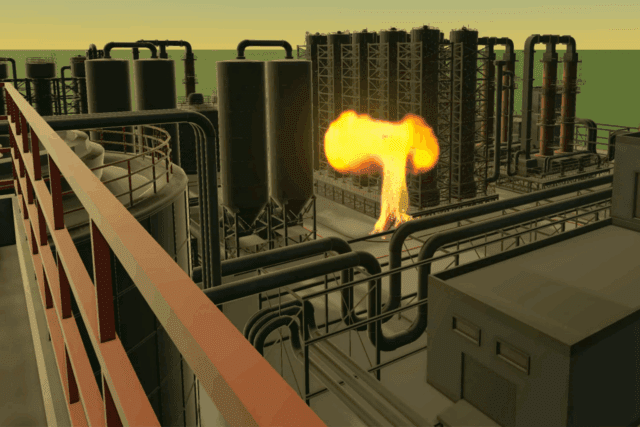
Learn about the roadmap for FLACS development.

In this welcome presentation to the 2023 FLUG Meeting, EDF shares how FLACS-Hydrogen is being applied in their R&D activities.
