See how CFD enhances hydrogen-powered ship risk analysis by modelling high-risk scenarios and supporting individual risk assessments.
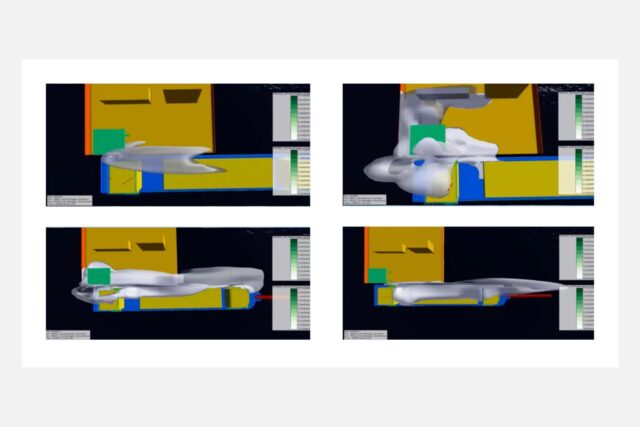
See how CFD enhances hydrogen-powered ship risk analysis by modelling high-risk scenarios and supporting individual risk assessments.
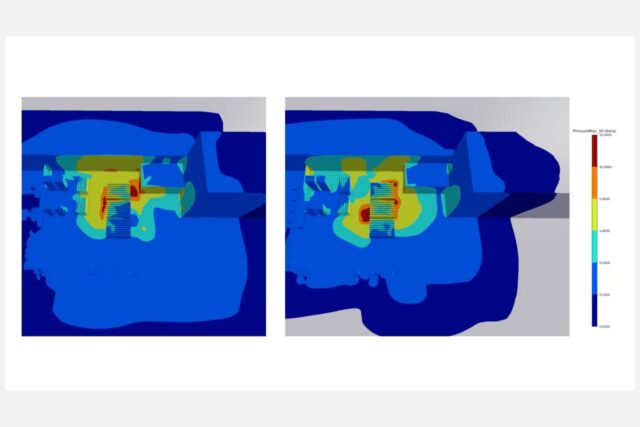
See how CFD can highlight limitations in current hydrogen bulk storage design guidance and help ensure safer, ALARP-compliant decisions.
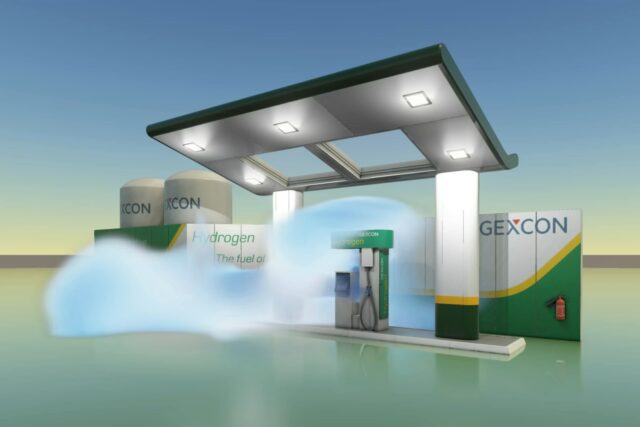
Learn how FLACS is used to model hydrogen and hydrogen-based fuel scenarios, including compressed H2, LH2, ammonia, and methanol, with key challenges explained.
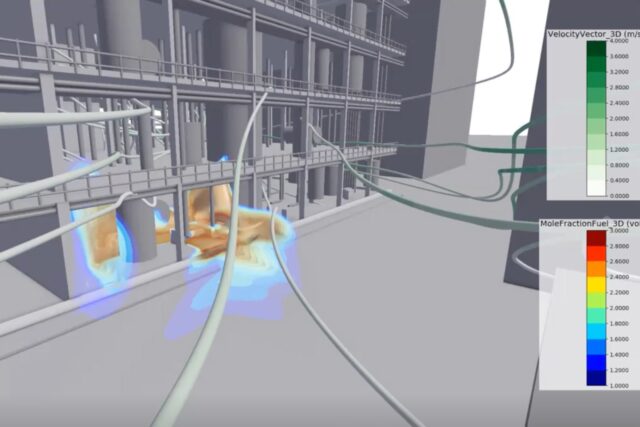
An overview of pool evaporation and vapour cloud explosions modelling in industrial environments using FLACS.
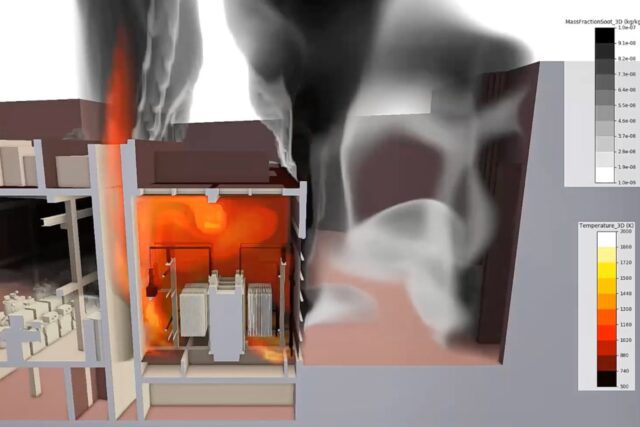
Learn how to run the FLACS-Fire CFD fire modelling tool more effectively and set the right parameters through a real user experience.
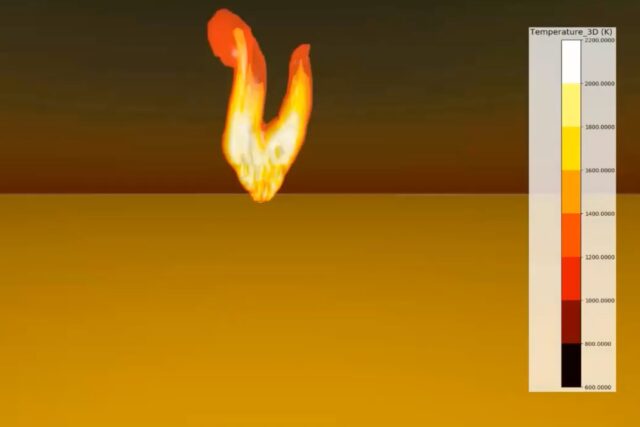
Learn about the recent updates, validation efforts, and what’s ahead for FLACS-Fire, Gexcon’s 3D fire consequence modelling software.
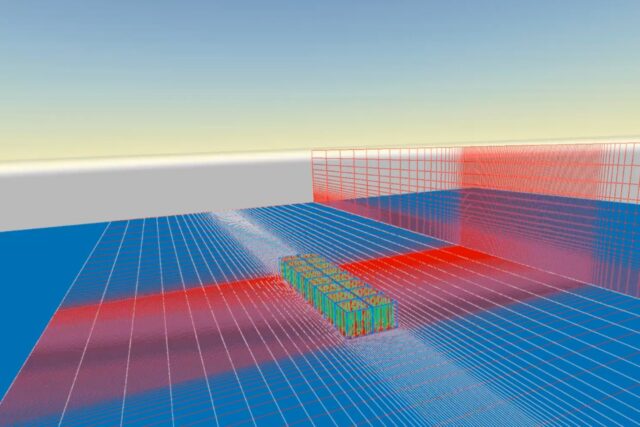
Learn how FLACS is validated and why sensitivity to grid resolution matters in gas explosion modelling.
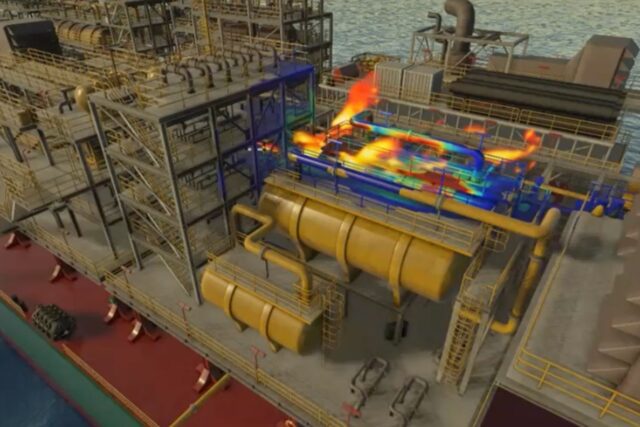
Find out how FLACS is evolving to support mesh geometries and better handle complex CAD models and shorter project timelines.
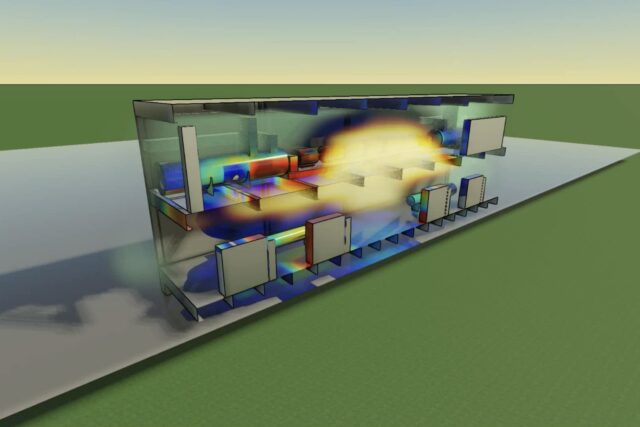
Get a preview of new FLACS features and learn how Gexcon’s roadmap will improve your safety modelling capabilities.
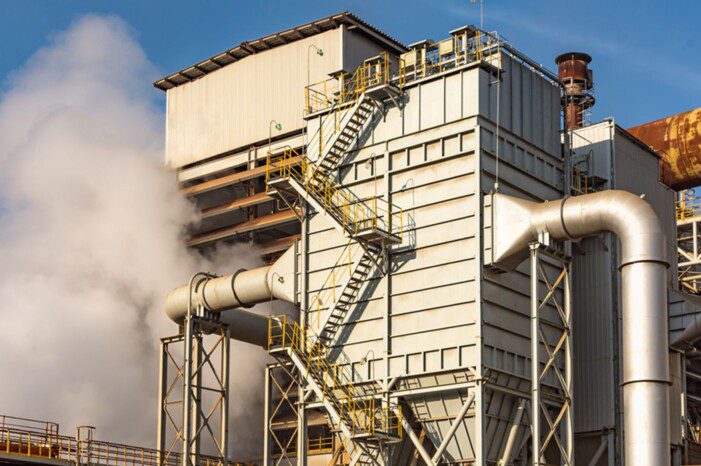
Learn how poor dust system design led to a major plant explosion and what steps to take to prevent similar combustible dust incidents.

Learn how to prevent ammonium nitrate incidents by understanding the conditions that lead to explosive decomposition and how to avoid them.
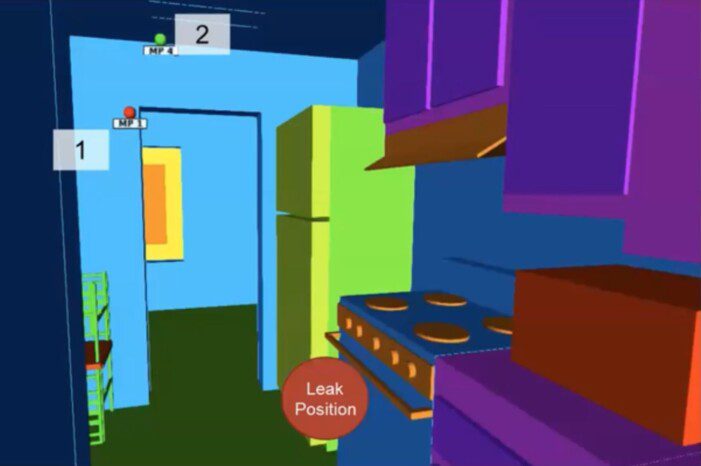
This webinar presents the research on combustible gas dispersion and detector location analysis in residential occupancies by Gexcon US for the Fire Protection Research Foundation.
