See how advanced CFD modelling can be used to understand the hazards from potential LH2 release scenarios while refuelling an aircraft.
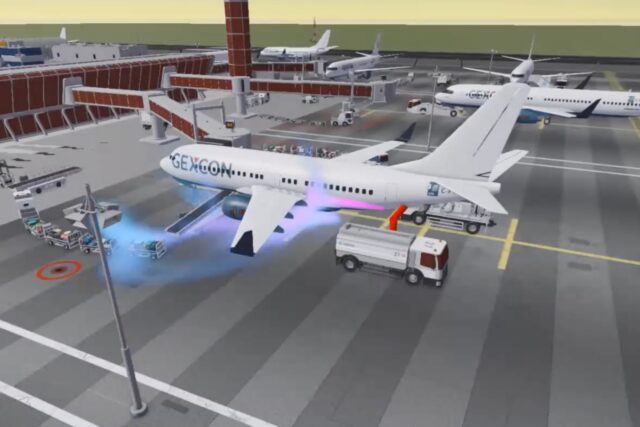
See how advanced CFD modelling can be used to understand the hazards from potential LH2 release scenarios while refuelling an aircraft.
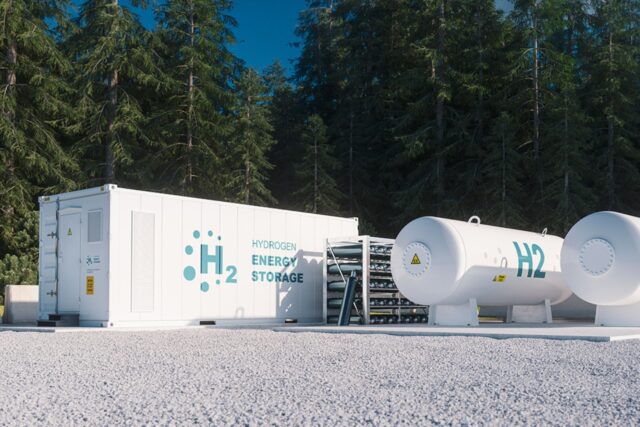
See how Gexcon is improving hydrogen combustion modelling in FLACS to reduce conservatism and support better safety assessments.

Understand CO2 dispersion modelling examples, challenges, and insights from Aker Solutions.
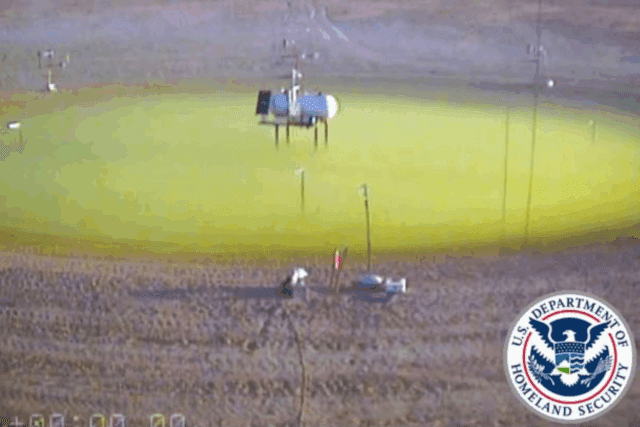
See how large-scale trials in the Jack Rabbit III project can help improve ammonia dispersion modelling for better safety assessments.
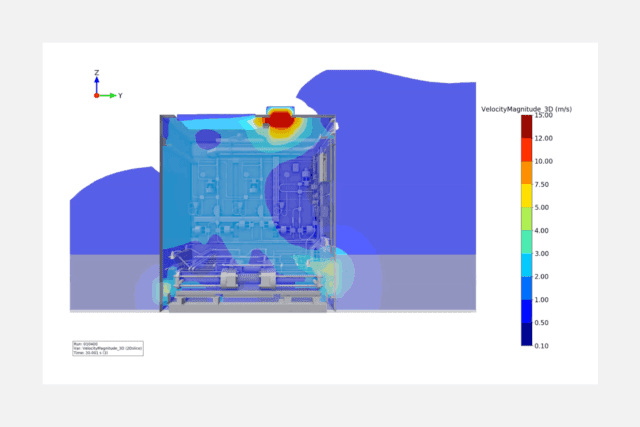
See why typical ventilation may not be enough for hydrogen safety and explore safer options for public-facing hydrogen applications.
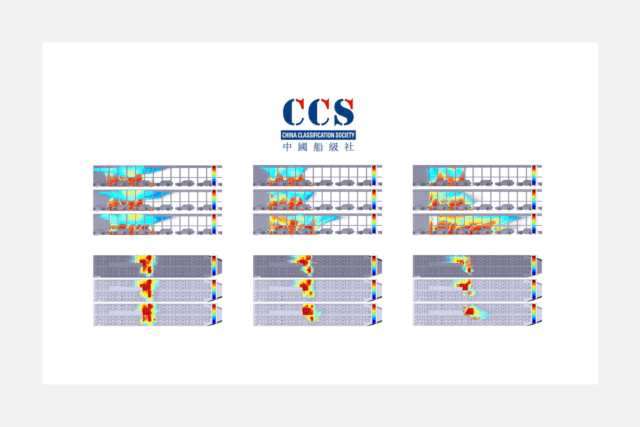
Learn how FLACS helps assess thermal runaway risks from lithium battery vehicles on ro-ro ships and improve fire response design.
Learn how you can use FRED to perform your safety assessments
for future fuel applications, such as hydrogen, ammonia, CO2, methanol, and more.
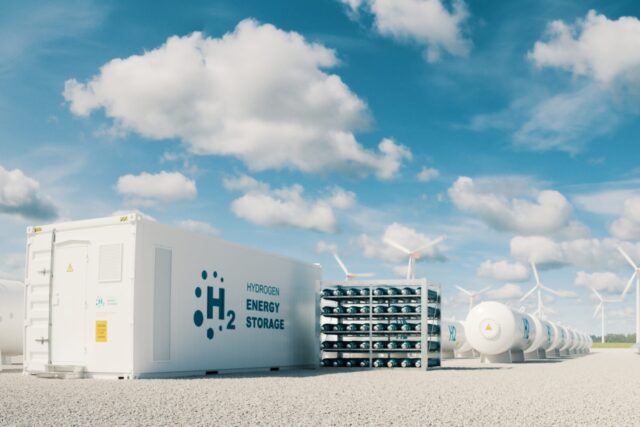
See how to identify and manage hydrogen hazards for safe deployment, especially in public-facing applications.
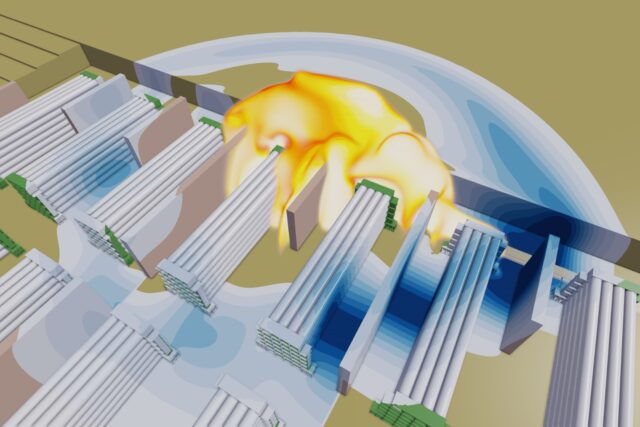
Gexcon participates in SPE’s webinar on CFD Modelling for Process Safety and Environmental Risk Assessment with a presentation titled “An innovative and efficient CFD method to solve hydrogen combustion challenges in the energy industry.”
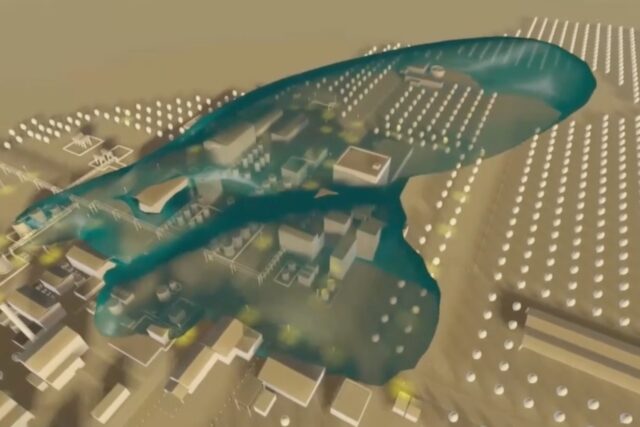
See how FLACS models hazards from chemicals like styrene and VCM in polymer industries to support process safety decisions.
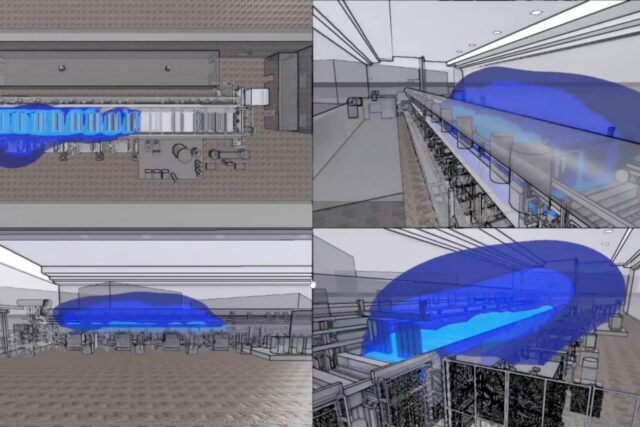
This presentation shows how detailed dispersion and ventilation modelling of hydrogen cyanide (HCN) in a closed space can support safer decision-making.
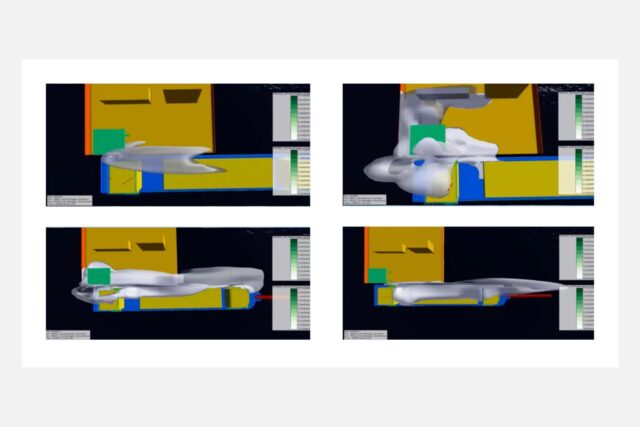
See how CFD enhances hydrogen-powered ship risk analysis by modelling high-risk scenarios and supporting individual risk assessments.
