Learn how to assess gas detector performance and model gas dispersion accurately using CFD modelling tools.
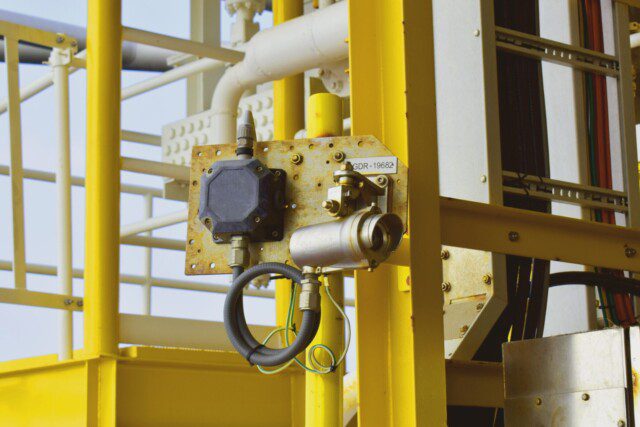
Learn how to assess gas detector performance and model gas dispersion accurately using CFD modelling tools.

See how FLACS CFD tool helps simulate hydrogen hazards in nuclear facilities and support safer design through detailed consequence analysis.
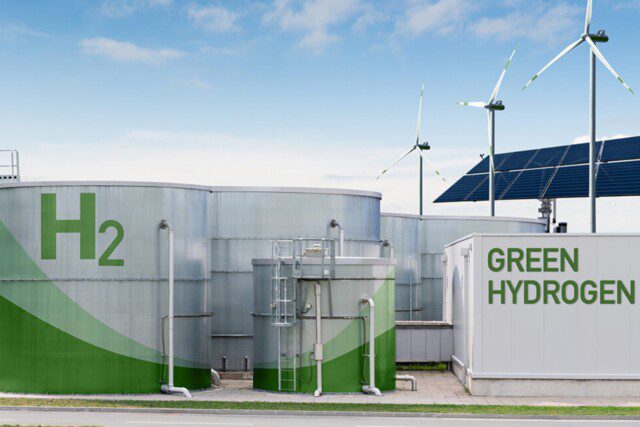
Learn what to consider when modelling hydrogen hazards across different applications and how to use EFFECTS to model those hazards.
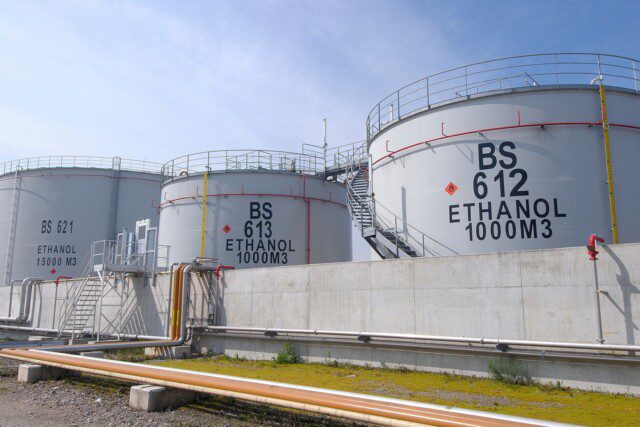
Learn how to perform ethanol hazard modelling using EFFECTS integral consequence modelling software and RISKCURVES QRA software.
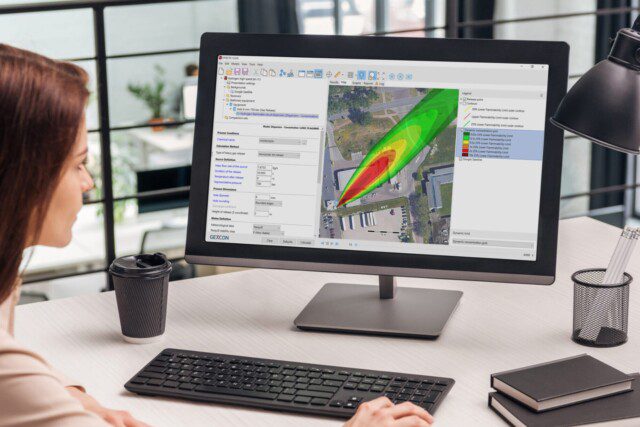
Learn about the latest advancements in EFFECTS software’s dispersion modelling and the practical applications in supporting safe energy transition.
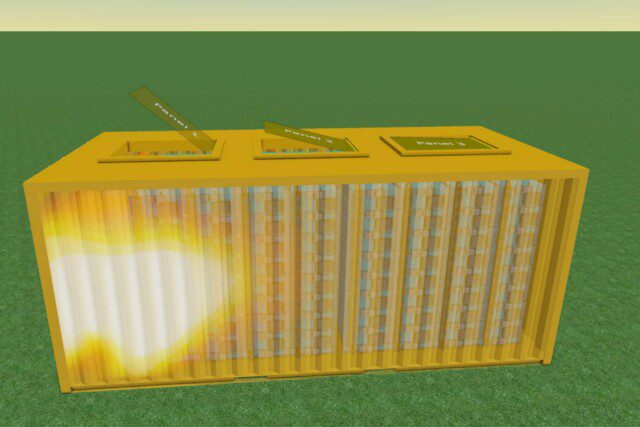
Learn how FLACS is used to simulate battery thermal runaway and compare results with experimental data for reliable analysis.
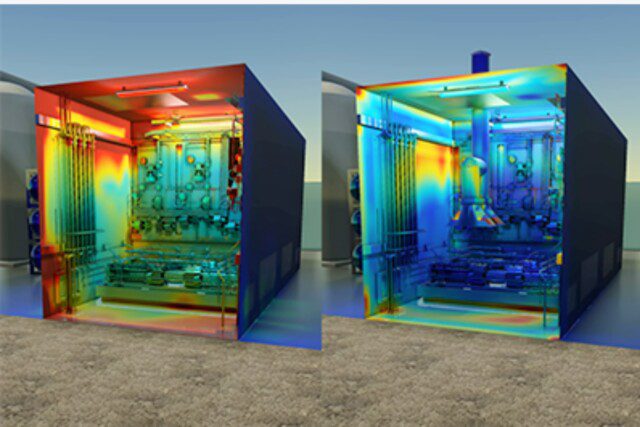
See how FLACS can assess if ventilation in enclosed hydrogen systems keeps leaks below flammable limits for safer compressor system design.
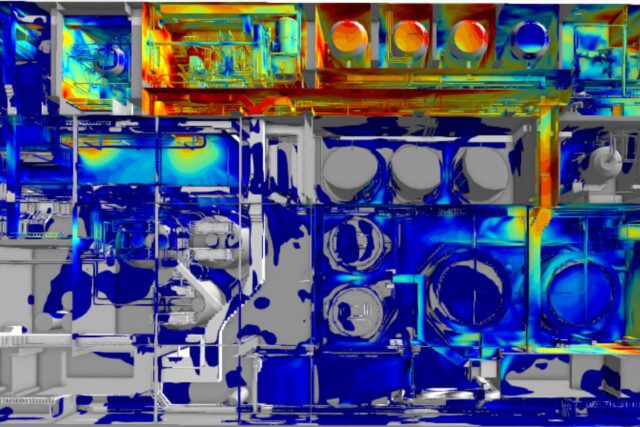
Get practical tips on combining consequence and structural response studies, including how to map blast loads to FEM models.
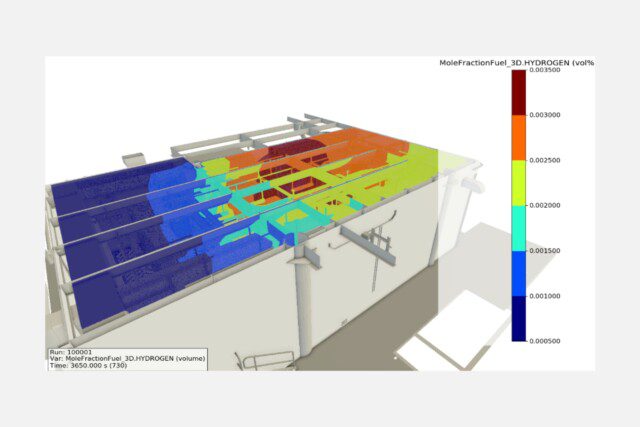
See how FLACS is used to evaluate hydrogen build-up risks in battery rooms with air recirculation and ceiling obstructions.
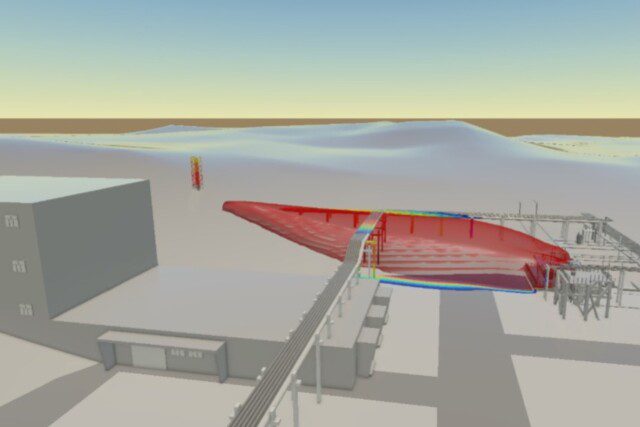
Find out how different modelling approaches assess ammonia release scenarios and support better risk management decisions.
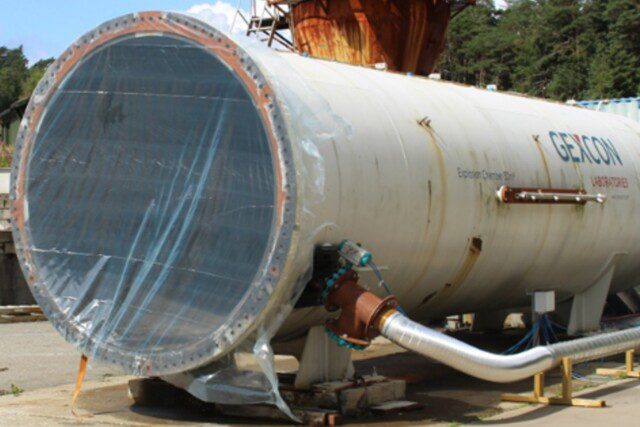
See how hydrogen-nitrogen explosion tests help improve FLACS modelling for hydrogen-rich mixtures and support safer operations in nuclear plants.

In this welcome presentation to the 2023 FLUG Meeting, EDF shares how FLACS-Hydrogen is being applied in their R&D activities.
