Find out how different modelling approaches assess ammonia release scenarios and support better risk management decisions.
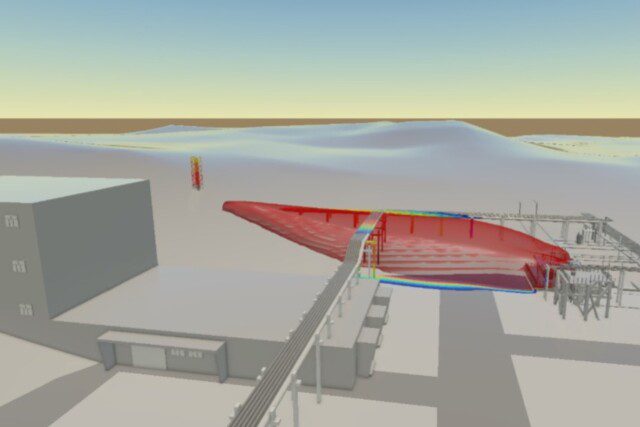
Find out how different modelling approaches assess ammonia release scenarios and support better risk management decisions.

See how advanced CFD modelling can be used to understand the hazards from potential LH2 release scenarios while refuelling an aircraft.
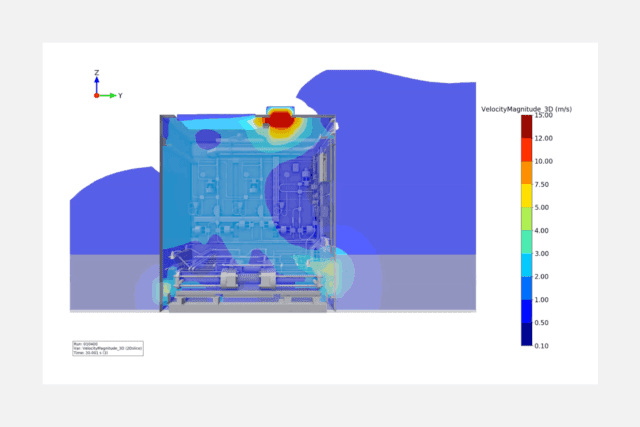
See why typical ventilation may not be enough for hydrogen safety and explore safer options for public-facing hydrogen applications.
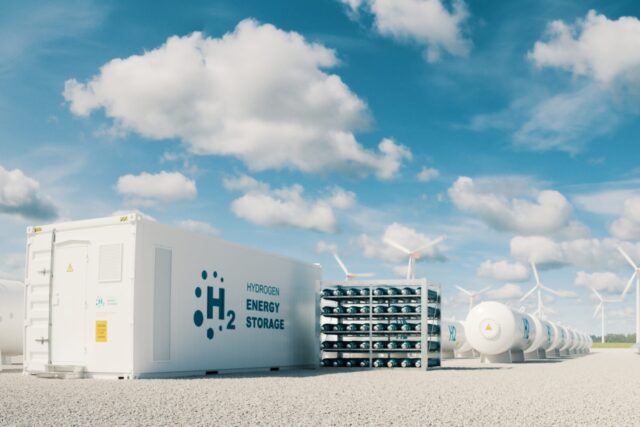
See how to identify and manage hydrogen hazards for safe deployment, especially in public-facing applications.
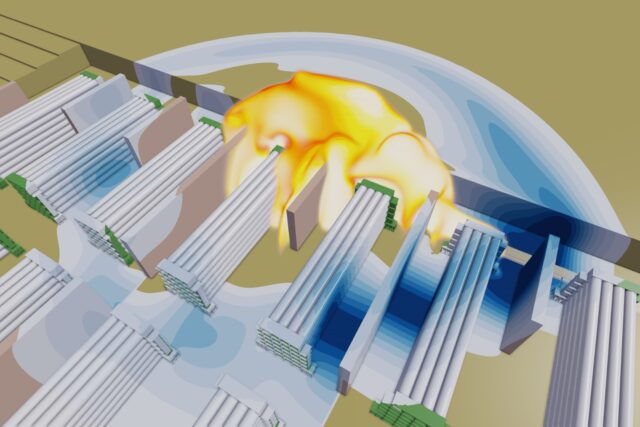
Gexcon participates in SPE’s webinar on CFD Modelling for Process Safety and Environmental Risk Assessment with a presentation titled “An innovative and efficient CFD method to solve hydrogen combustion challenges in the energy industry.”

See how FLACS models hazards from chemicals like styrene and VCM in polymer industries to support process safety decisions.
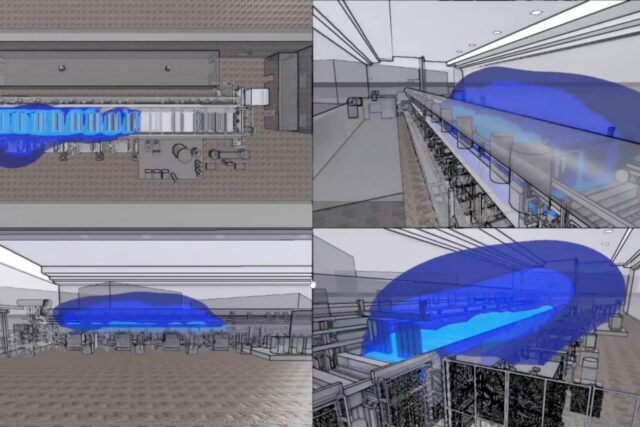
This presentation shows how detailed dispersion and ventilation modelling of hydrogen cyanide (HCN) in a closed space can support safer decision-making.
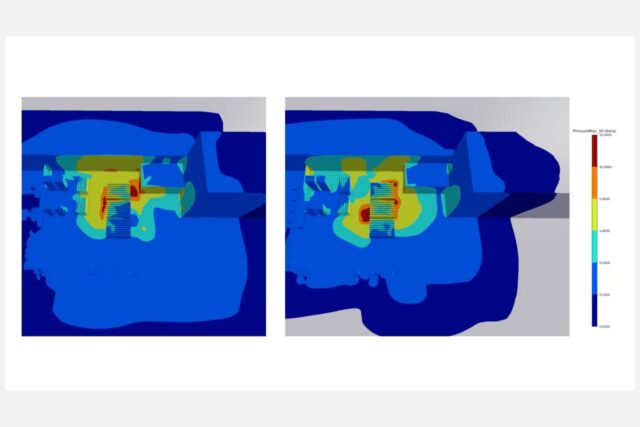
See how CFD can highlight limitations in current hydrogen bulk storage design guidance and help ensure safer, ALARP-compliant decisions.
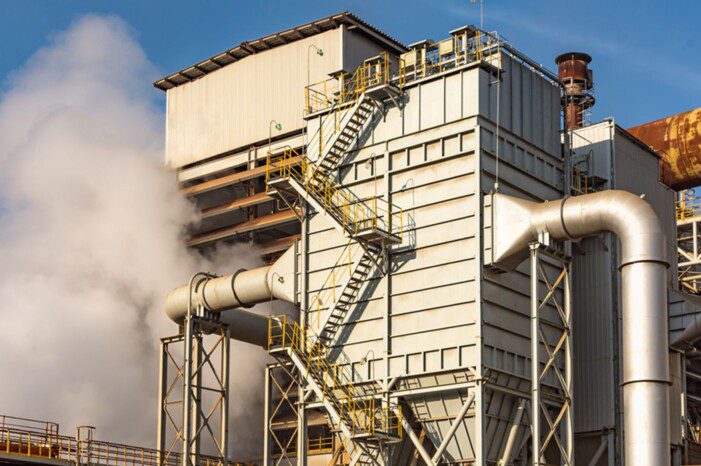
Learn how poor dust system design led to a major plant explosion and what steps to take to prevent similar combustible dust incidents.

Learn how to prevent ammonium nitrate incidents by understanding the conditions that lead to explosive decomposition and how to avoid them.
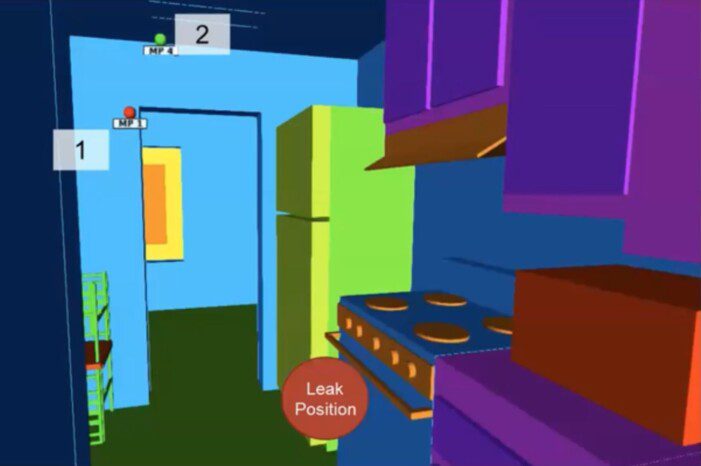
This webinar presents the research on combustible gas dispersion and detector location analysis in residential occupancies by Gexcon US for the Fire Protection Research Foundation.
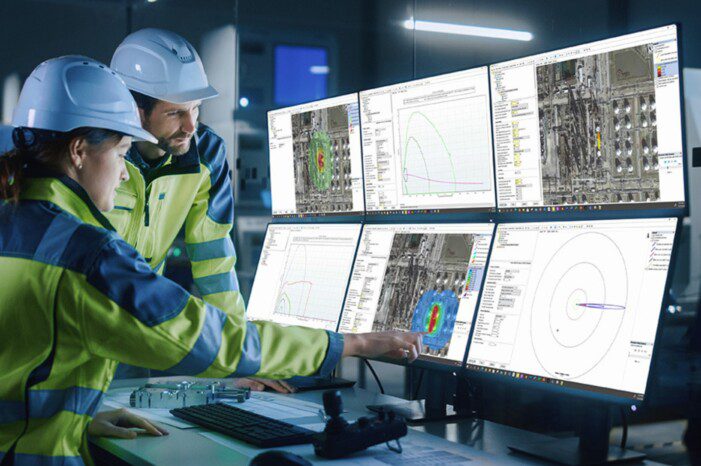
Learn how combining 2D and 3D modelling approaches can optimise your facility siting study and reduce costly retrofit requirements.
