See how FLACS can assess if ventilation in enclosed hydrogen systems keeps leaks below flammable limits for safer compressor system design.
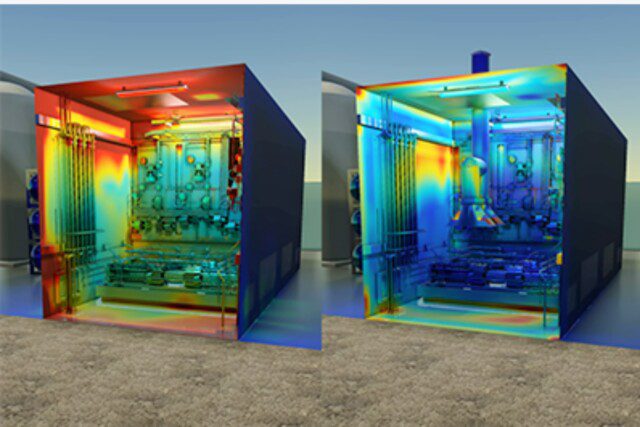
See how FLACS can assess if ventilation in enclosed hydrogen systems keeps leaks below flammable limits for safer compressor system design.
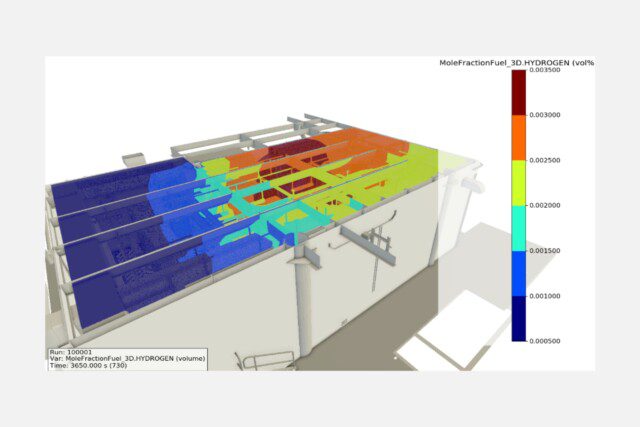
See how FLACS is used to evaluate hydrogen build-up risks in battery rooms with air recirculation and ceiling obstructions.
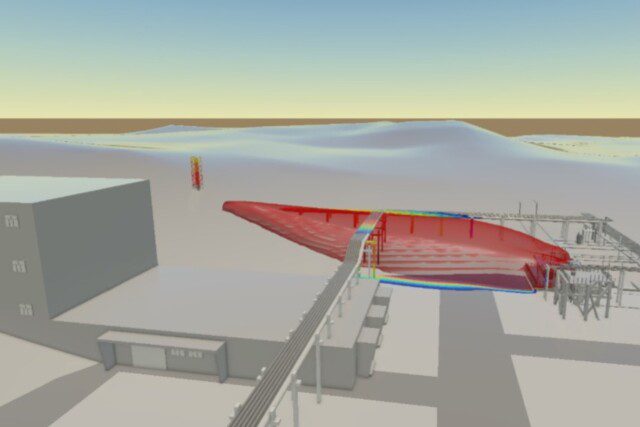
Find out how different modelling approaches assess ammonia release scenarios and support better risk management decisions.

See how advanced CFD modelling can be used to understand the hazards from potential LH2 release scenarios while refuelling an aircraft.
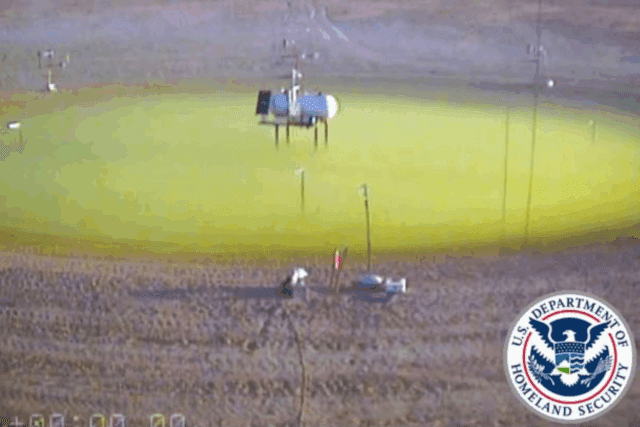
See how large-scale trials in the Jack Rabbit III project can help improve ammonia dispersion modelling for better safety assessments.
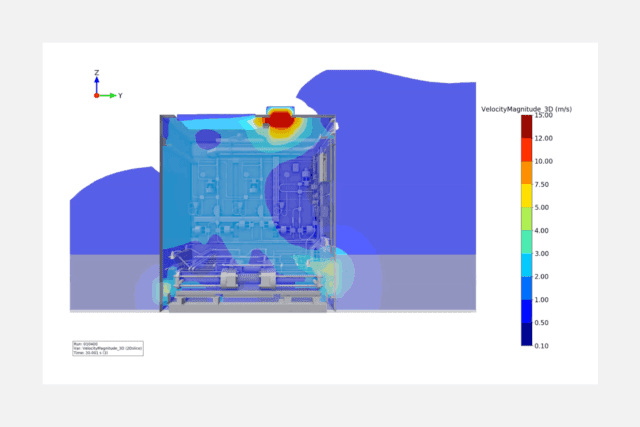
See why typical ventilation may not be enough for hydrogen safety and explore safer options for public-facing hydrogen applications.
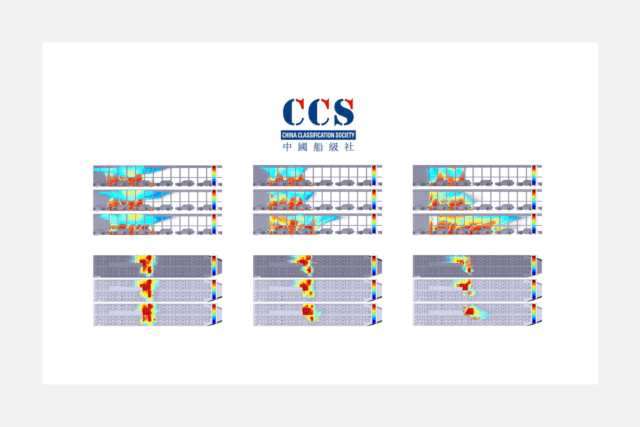
Learn how FLACS helps assess thermal runaway risks from lithium battery vehicles on ro-ro ships and improve fire response design.
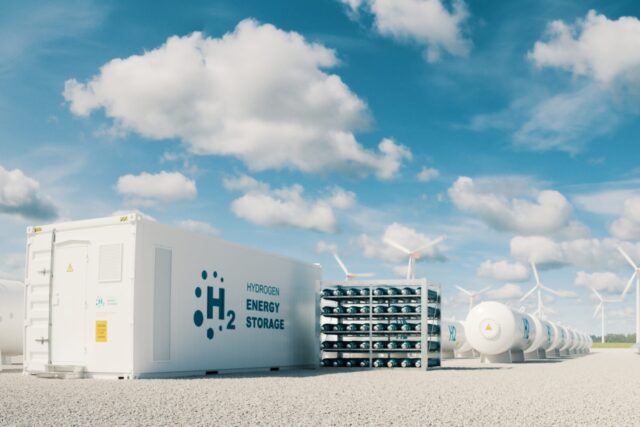
See how to identify and manage hydrogen hazards for safe deployment, especially in public-facing applications.
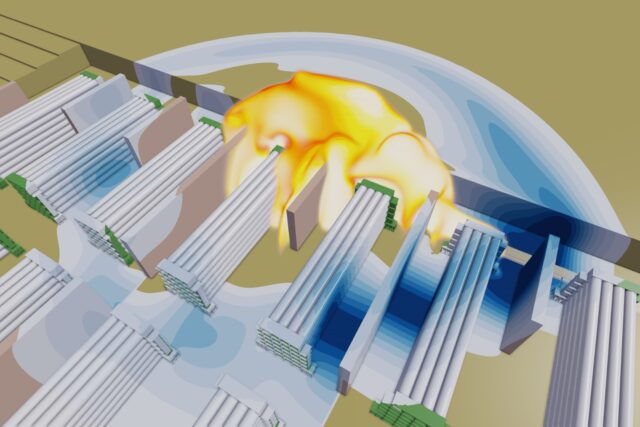
Gexcon participates in SPE’s webinar on CFD Modelling for Process Safety and Environmental Risk Assessment with a presentation titled “An innovative and efficient CFD method to solve hydrogen combustion challenges in the energy industry.”
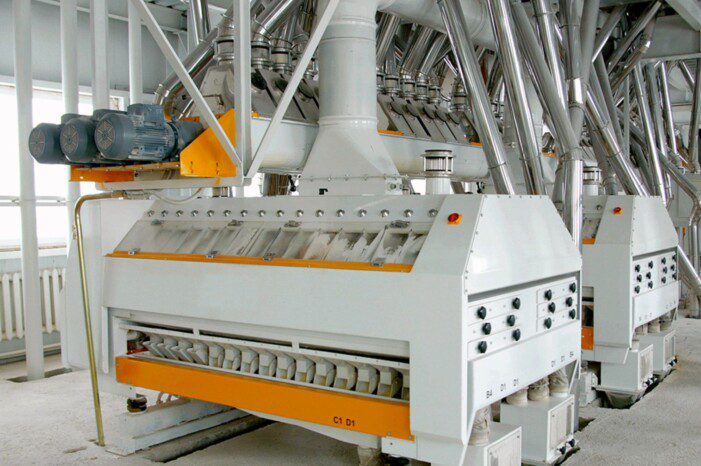
Learn why ignition hazard analysis is critical for bulk solids safety and how mechanical equipment may become an ignition source.
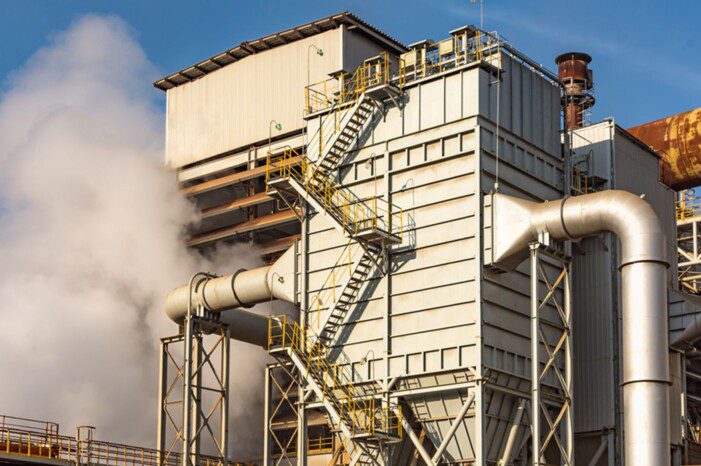
Learn how poor dust system design led to a major plant explosion and what steps to take to prevent similar combustible dust incidents.
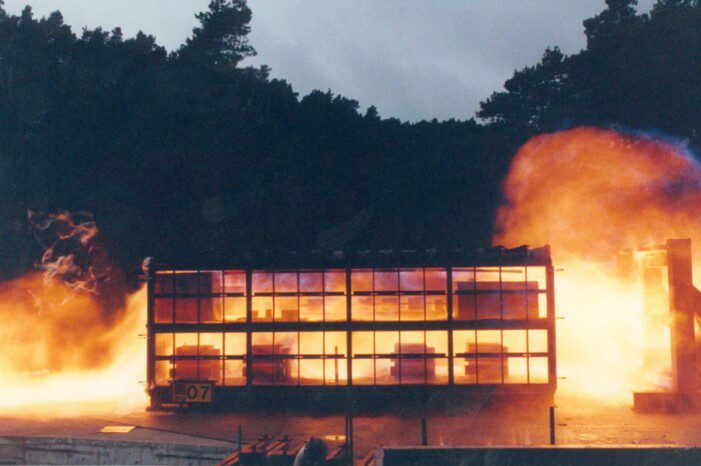
Comprende mejor las explosiones de gas y cómo reducir sus consecuencias con medidas de ingeniería
