The physical state of the chemical and its typical properties are extremely important when evaluating a loss of containment scenario.
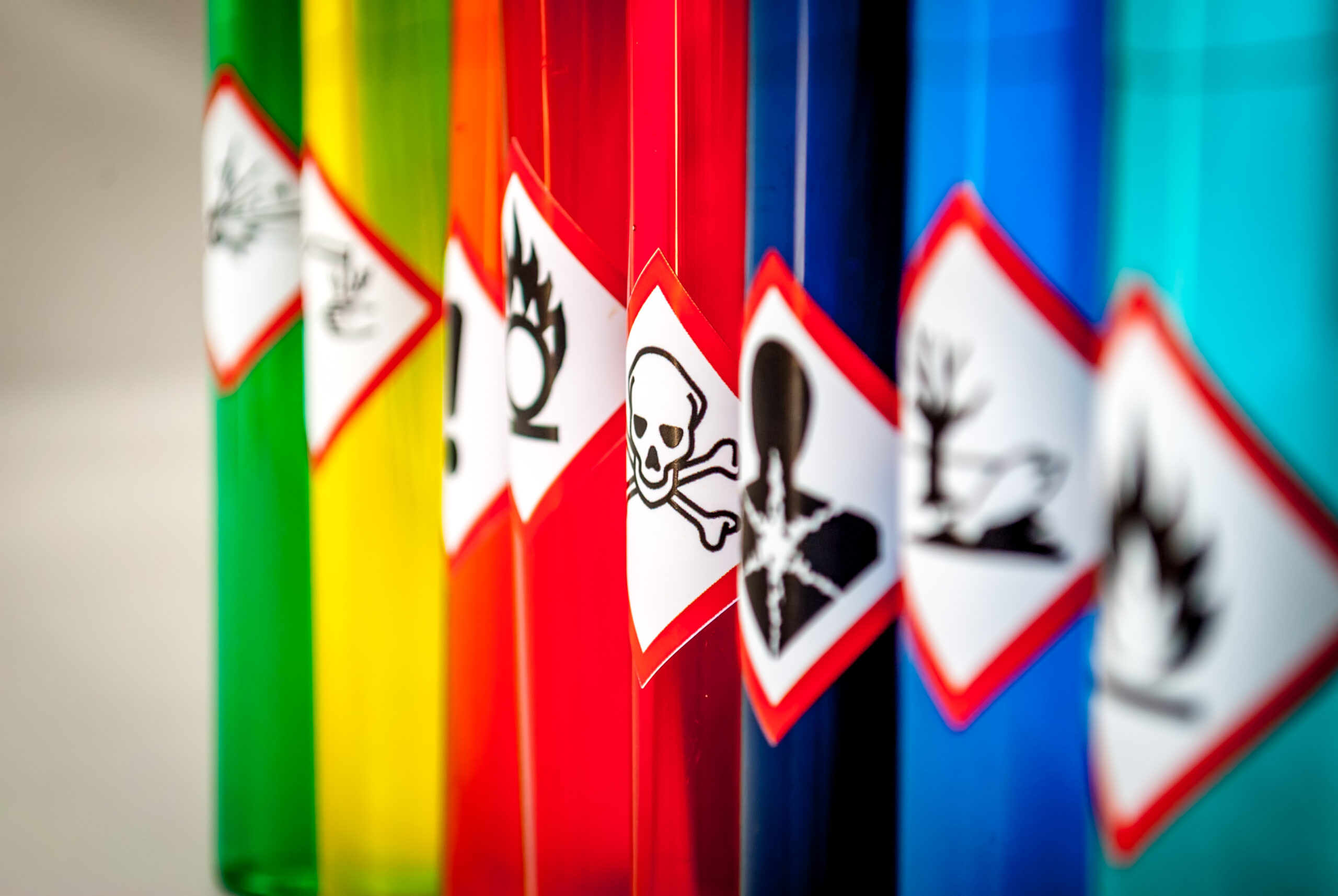
The physical state of the chemical and its typical properties are extremely important when evaluating a loss of containment scenario.
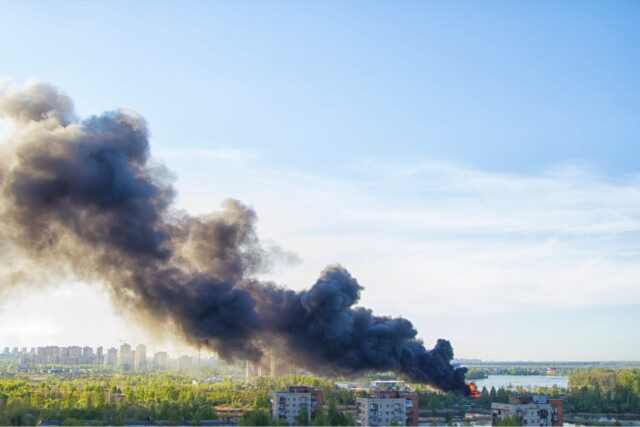
See how to simulate plumes from large fires in EFFECTS to assess thermal radiation, smoke dispersion, and impact on nearby areas.
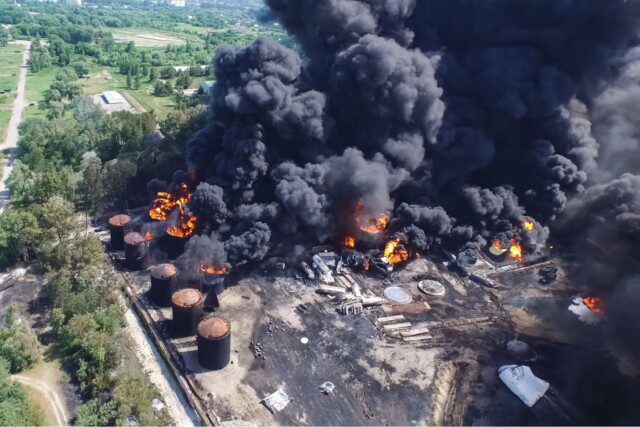
Find out how to simulate tank pit fires in EFFECTS to evaluate thermal radiation, flame size, and impact on nearby equipment or areas.
Learn why validating consequence modelling software is essential to ensure accurate, reliable results for safety and risk assessments.
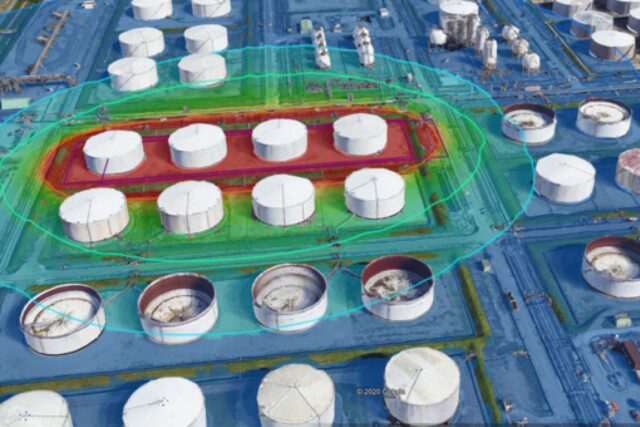
See how EFFECTS simplifies GIS integration to help you visualise hazard zones, risk areas, and consequences directly on real-world maps.

Explore why recognising and addressing safety risks is essential for preventing incidents, protecting lives, and ensuring business continuity.
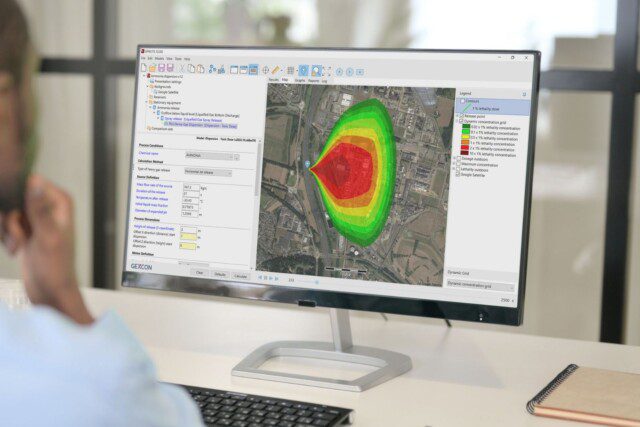
Learn how to simulate ammonia releases using EFFECTS to assess dispersion, toxicity, and support safer design and emergency planning.
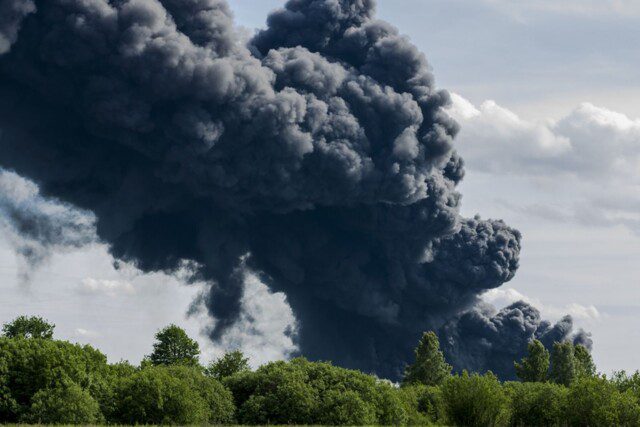
Learn how EFFECTS models smoke plume rise from large fires to support impact assessments, emergency planning, and safety decisions.
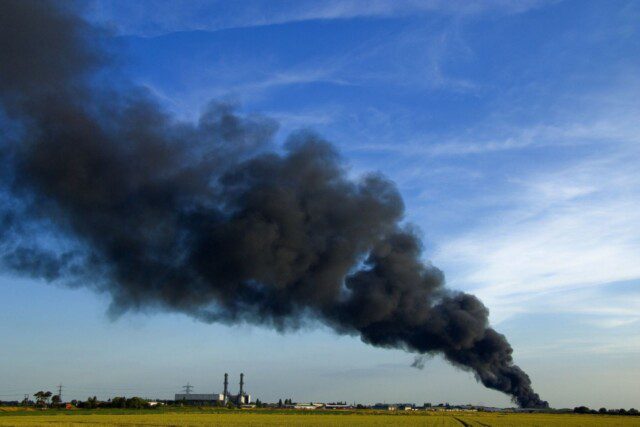
Did you know that EFFECTS has a dedicated model to calculate the plume rise phenomenon due to warehouse or pool fires?
