Get an overview of what makes ammonia unique, its dispersion behaviour in different forms, the hazards linked to its properties, and potential LoC events.
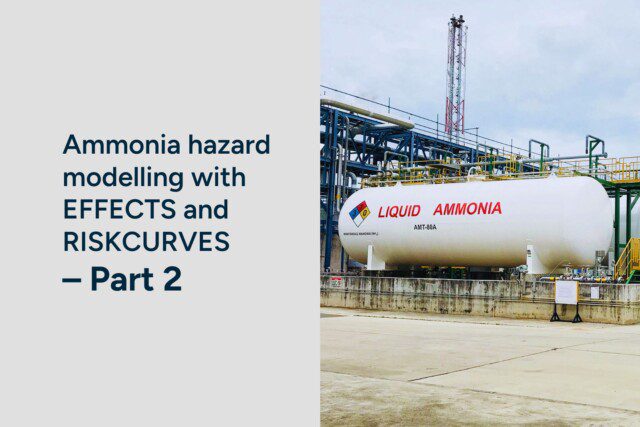
Get an overview of what makes ammonia unique, its dispersion behaviour in different forms, the hazards linked to its properties, and potential LoC events.
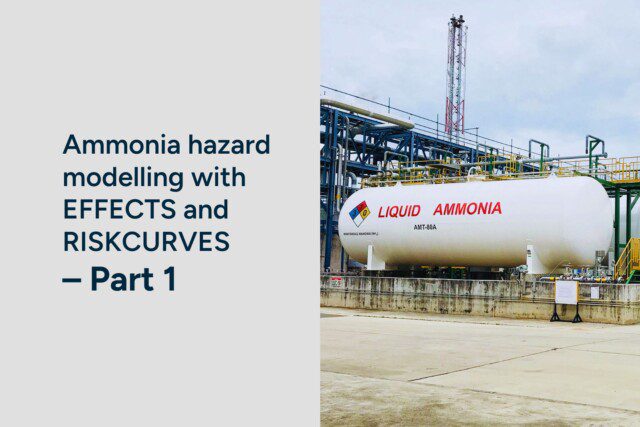
In the first episode of our series, Ammonia Hazard Modelling with EFFECTS and RISKCURVES, Viktoria Bohacikova, Technical Product Specialist, explains why ammonia safety must not be overlooked.
This final episode explains how RISKCURVES QRA software complements EFFECTS consequence modelling tool in analysing the risk of CO2 transport for CCUS projects.

An overview of the key safety concerns related to CO2 in CCUS technology, examples of accidents involving large CO2 releases, and safety measures.
The fourth episode explains how the EFFECTS consequence modelling software helps address the CO2 hazard modelling challenges.
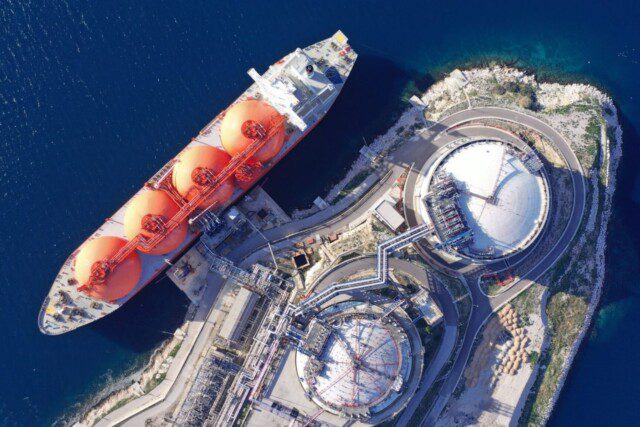
Lessons learnt from past LNG incidents, such as the Cleveland Disaster, the Skikda Explosion, and the Plymouth Plant Incident.
This third episode discusses the challenges in modelling CO2 releases, including its multiphase nature, the impact of craters when pipelines are buried, dense gas behaviour, and more.
This episode discusses the fundamental properties of CO2 and the hazards associated with CO2 pipeline transportation.
This first episode discusses why CO2 transportation safety is critical in CCUS projects.

Learn how hazardous area classification (HAC) zoning and risk assessments support safety in CCUS infrastructure.

Learn what causes dust explosions, why they’re dangerous, and how to reduce the risk in industrial environments.

Understand the key differences between HAZID and HAZOP to choose the right assessment method for your project.
