This final episode explains how RISKCURVES QRA software complements EFFECTS consequence modelling tool in analysing the risk of CO2 transport for CCUS projects.
This final episode explains how RISKCURVES QRA software complements EFFECTS consequence modelling tool in analysing the risk of CO2 transport for CCUS projects.

An overview of the key safety concerns related to CO2 in CCUS technology, examples of accidents involving large CO2 releases, and safety measures.
The fourth episode explains how the EFFECTS consequence modelling software helps address the CO2 hazard modelling challenges.
This third episode discusses the challenges in modelling CO2 releases, including its multiphase nature, the impact of craters when pipelines are buried, dense gas behaviour, and more.
This episode discusses the fundamental properties of CO2 and the hazards associated with CO2 pipeline transportation.
This first episode discusses why CO2 transportation safety is critical in CCUS projects.

Learn how hazardous area classification (HAC) zoning and risk assessments support safety in CCUS infrastructure.

Understand the key differences between HAZID and HAZOP to choose the right assessment method for your project.
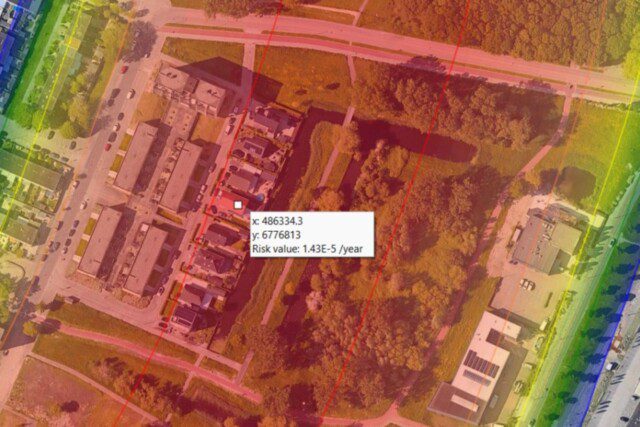
Analysing risks with RISKCURVES for buried pipelines transporting CO2, focusing on Individual Risk criteria LSIR and IRPA.

A practical guide on HAZOP, explaining its role in identifying risks, improving safety and supporting informed process decisions.

See the HAZID process and learn how it helps identify hazards early to improve safety and support better decision-making.
Learn how to carry out a QRA to identify major risks, assess their impact, and support safer decisions in high-hazard industries.
