The fourth episode explains how the EFFECTS consequence modelling software helps address the CO2 hazard modelling challenges.
The fourth episode explains how the EFFECTS consequence modelling software helps address the CO2 hazard modelling challenges.
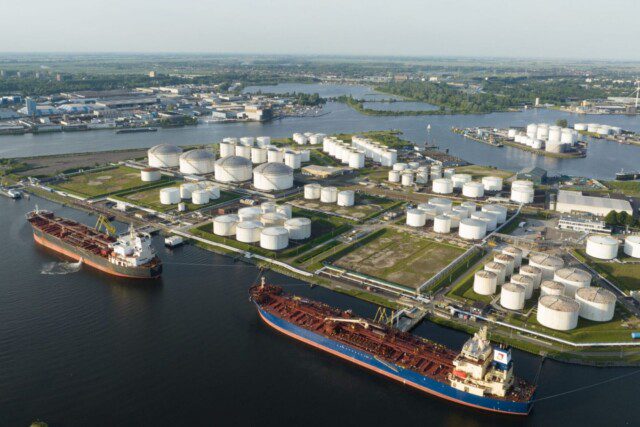
How advanced modelling tools can help improve LNG facility siting by supporting safer and more practical decision-making.
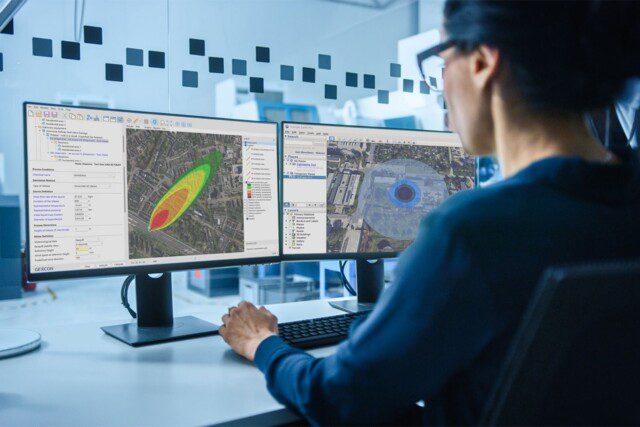
The use of consequence analysis in QRA helps prioritise and complement risk assessments to support more informed safety decisions.
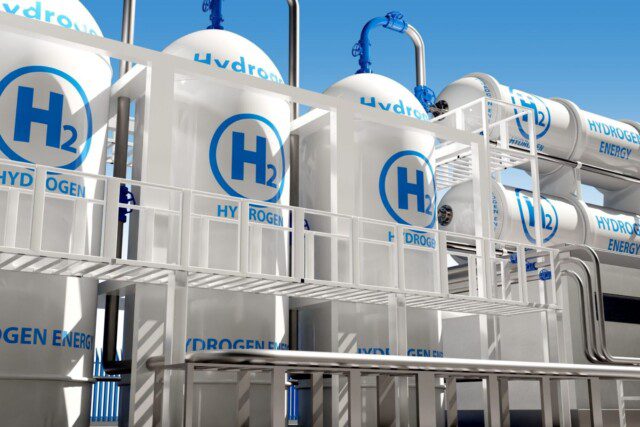
Learn about the efficacy of the Gas Fireball model in EFFECTS through two hydrogen release scenarios.
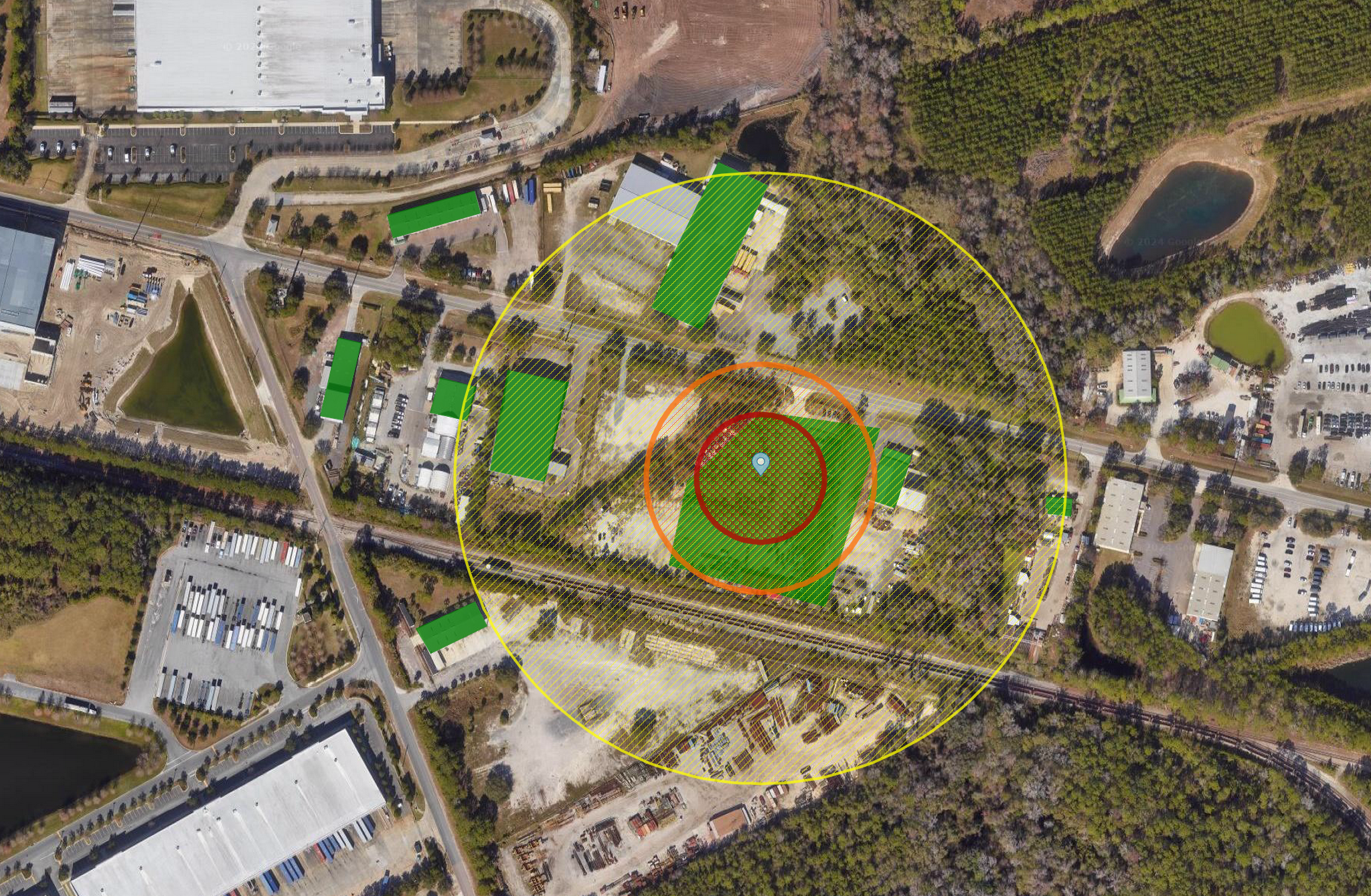
This blog emphasises the vital role of consequence modelling in assessing the impact of a runaway chemical reaction.

Consequence analysis is a critical aspect of process safety and risk management. Here are 10 crucial considerations to ensure a successful analysis.
Find out how to model the consequences of atmospheric dispersion for an accidental toxic release with EFFECTS consequence modelling software.
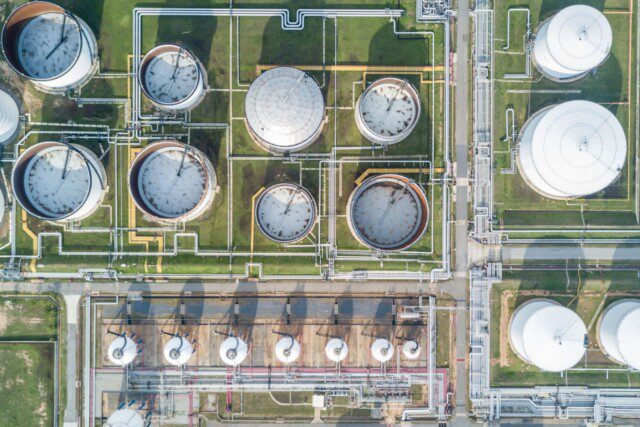
Gexcon expanded the flammable cloud generation from tank overfilling scenarios model to consider other materials and (weather) conditions.
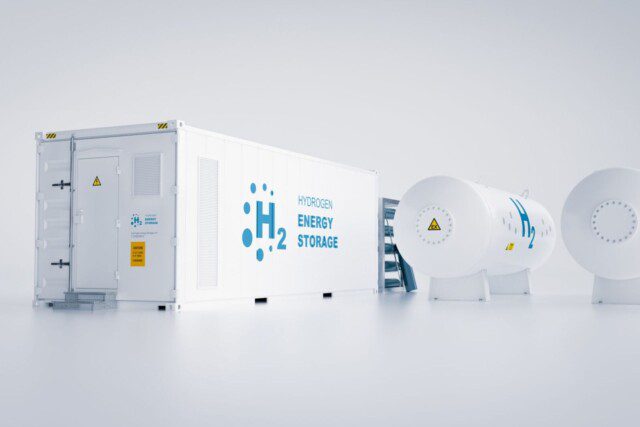
Learn how Gexcon implements the gas fireball model for hydrogen in the consequence modelling tool EFFECTS.
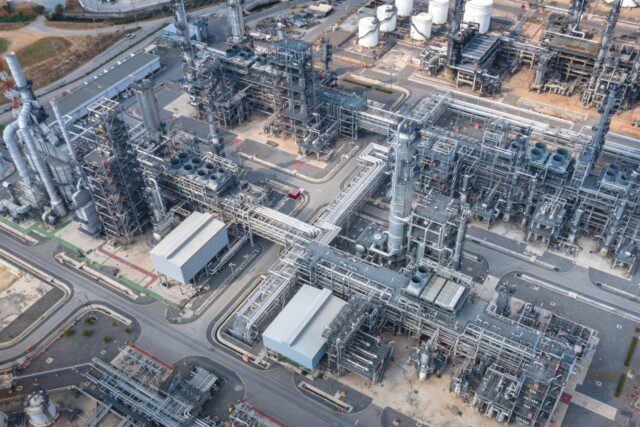
Learn how to simulate confined vapour cloud explosions (VCEs) in EFFECTS to assess blast impacts and improve safety in high-risk areas.
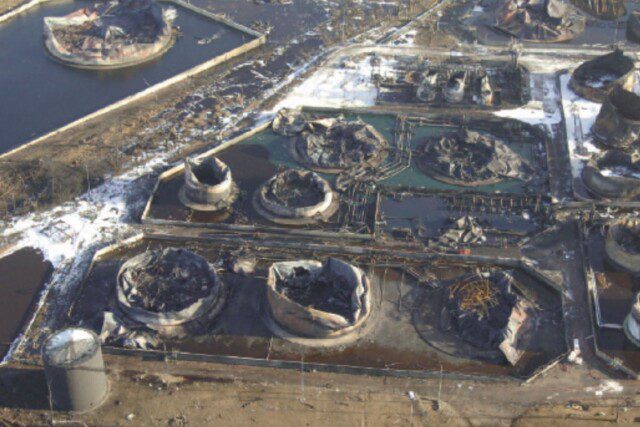
Explore how to simulate tank overfilling scenarios using EFFECTS to better understand vapour generation, dispersion, and safety risks.
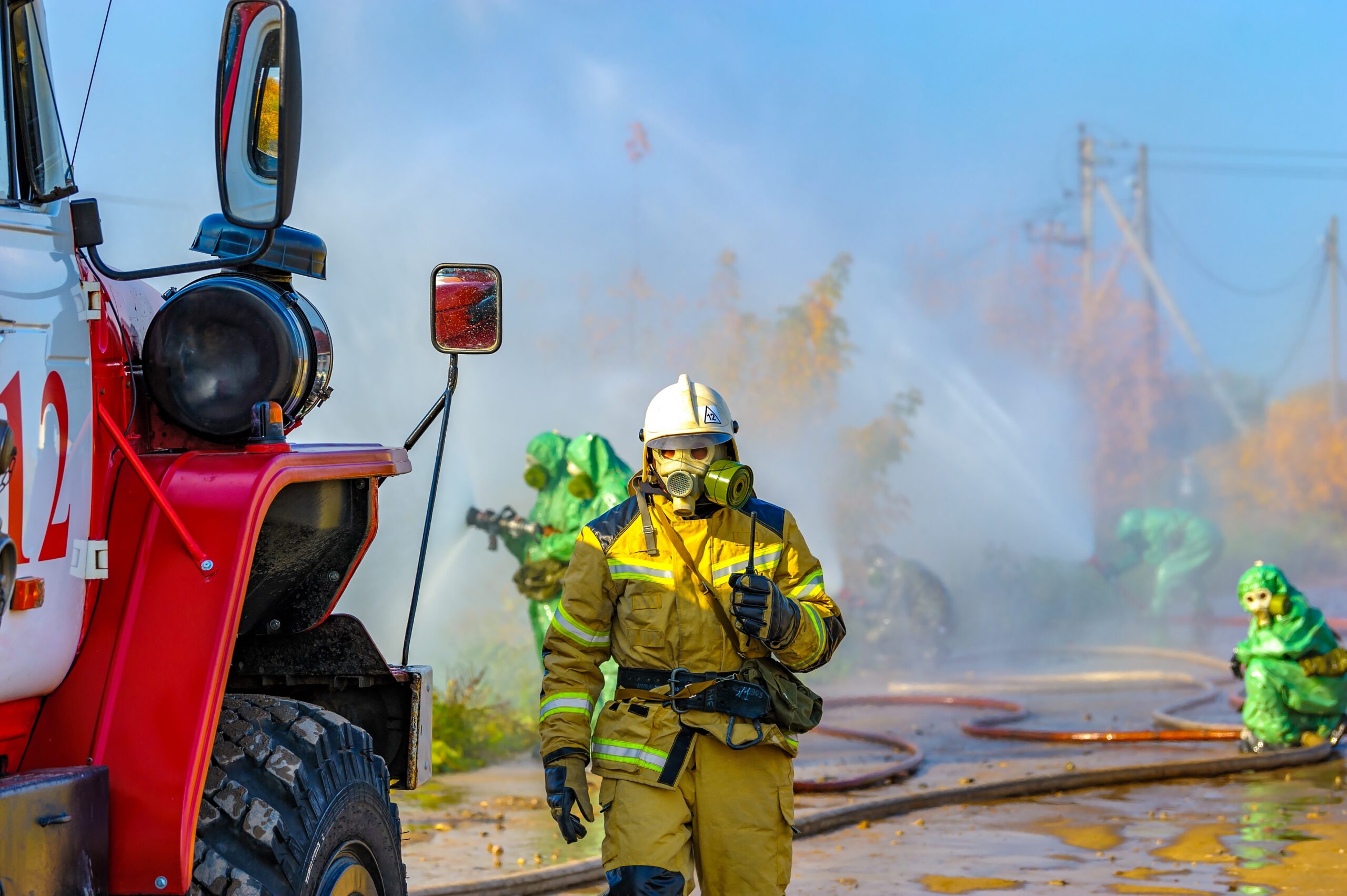
This blog explains the basics about deriving consequences from releases leading to a toxic cloud.
