Gexcon VP Products Chris Coffey, shares his highlights on the 2024 FLUG meeting held in Bergen on the 24-25 September.
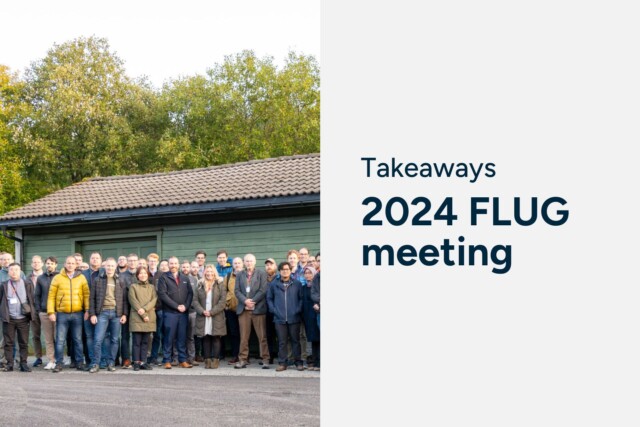
Gexcon VP Products Chris Coffey, shares his highlights on the 2024 FLUG meeting held in Bergen on the 24-25 September.
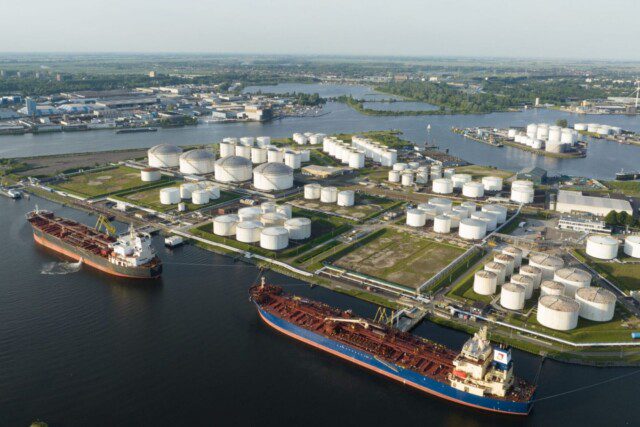
How advanced modelling tools can help improve LNG facility siting by supporting safer and more practical decision-making.

Consequence analysis is a critical aspect of process safety and risk management. Here are 10 crucial considerations to ensure a successful analysis.
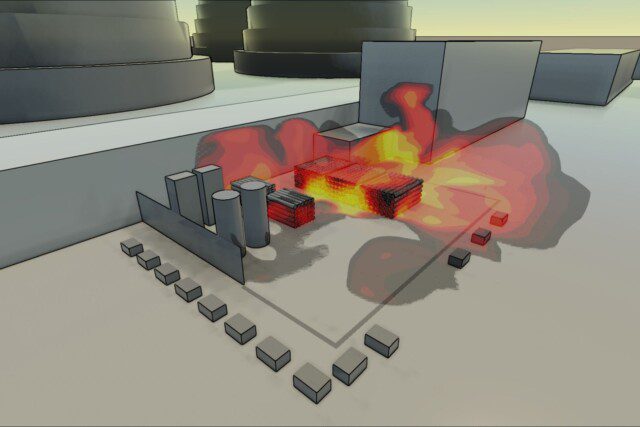
Advanced modelling tools can analyse the consequence of explosions in hydrogen bulk storage areas hence assisting in creating a safer design.
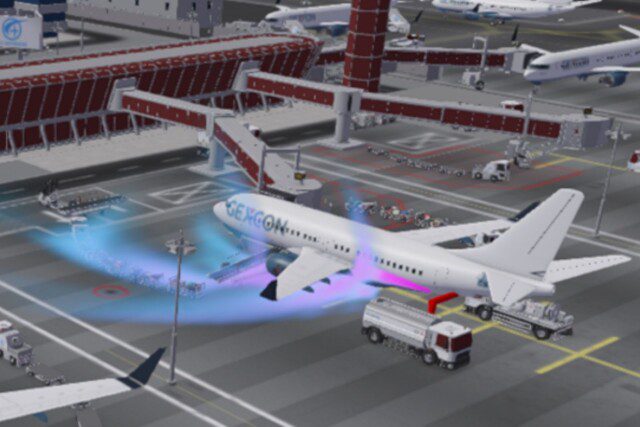
See how advanced CFD modelling can be used to understand the hazards from potential LH2 release scenarios while refuelling an aircraft.
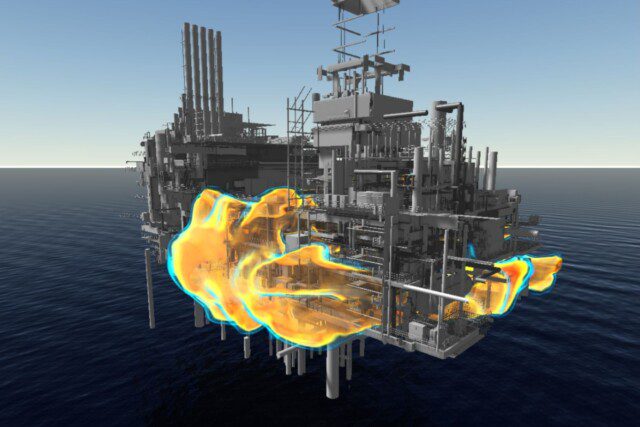
The development of Gexcon’s industry standard software for dispersion, explosion and fire modelling is closely linked to Piper Alpha.
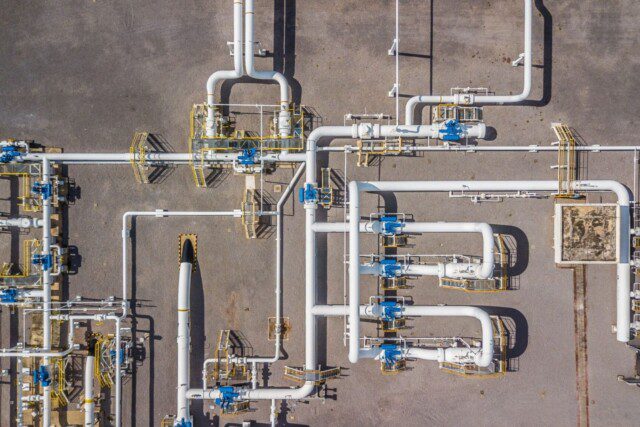
Read our recent paper on CFD-based explosion analysis of hydrogen-methane-air mixtures which was performed using FLACS consequence modelling software.
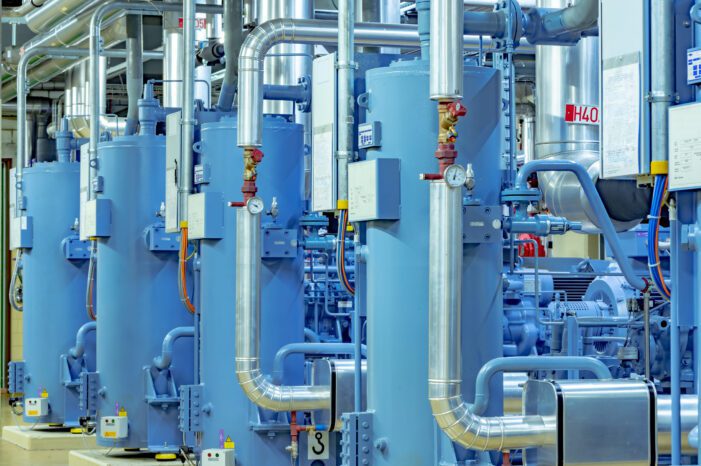
Advanced consequence modelling supports ammonia risk assessments and helps improve safety in storage, transport, and use.
Chris Coffey, FLACS Product & Strategic Business Development Manager, reflects on the success of Gexcon’s very first FLUG Week.
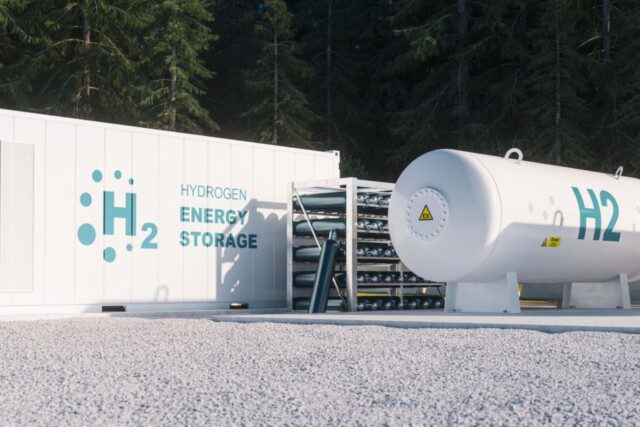
Learn why CFD is important in designing bulk hydrogen storage, helping to predict release behaviour, dispersion, and explosion risks.

Learn how Gexcon supported safety assessments for the UK’s first multifunctional LNG terminal through advanced modelling and expertise.

Learn how to model dense gas dispersion in urban areas, accounting for buildings, terrain, and wind to improve safety assessments.
