Get an overview of what makes ammonia unique, its dispersion behaviour in different forms, the hazards linked to its properties, and potential LoC events.
Get an overview of what makes ammonia unique, its dispersion behaviour in different forms, the hazards linked to its properties, and potential LoC events.
In the first episode of our series, Ammonia Hazard Modelling with EFFECTS and RISKCURVES, Viktoria Bohacikova, Technical Product Specialist, explains why ammonia safety must not be overlooked.

Learn what causes dust explosions, why they’re dangerous, and how to reduce the risk in industrial environments.

Understand the key differences between HAZID and HAZOP to choose the right assessment method for your project.

A practical guide on HAZOP, explaining its role in identifying risks, improving safety and supporting informed process decisions.

See the HAZID process and learn how it helps identify hazards early to improve safety and support better decision-making.
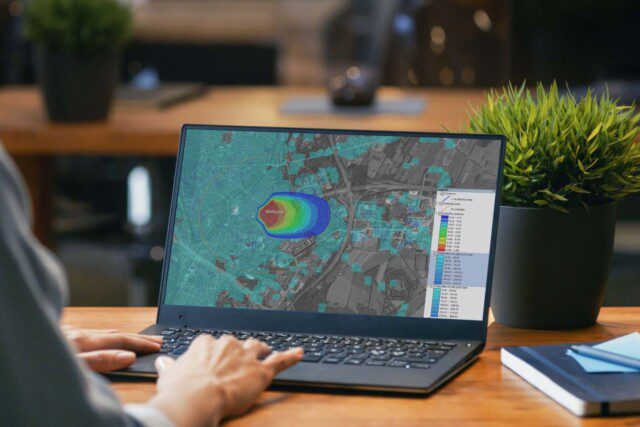
Learn how to carry out a QRA to identify major risks, assess their impact, and support safer decisions in high-hazard industries.

What a Pre-Construction Safety Report (PCSR) includes and how it helps identify and manage major risks before construction starts.
How to identify major accident hazards at COMAH and Seveso sites using HAZID to meet safety requirements and reduce risks.

The use of consequence analysis in QRA helps prioritise and complement risk assessments to support more informed safety decisions.
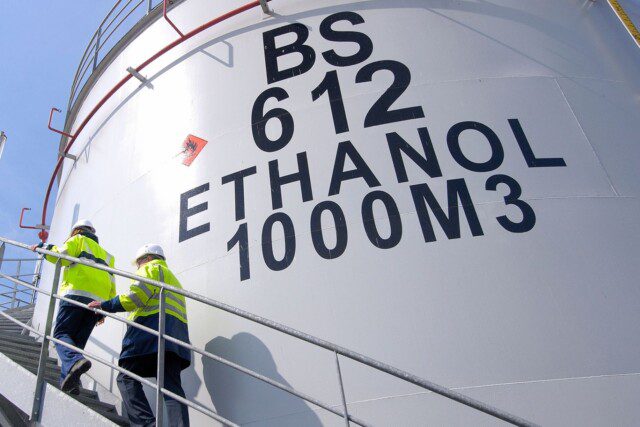
The risks associated with ethanol and relevant approaches to prevent and mitigate these hazards.
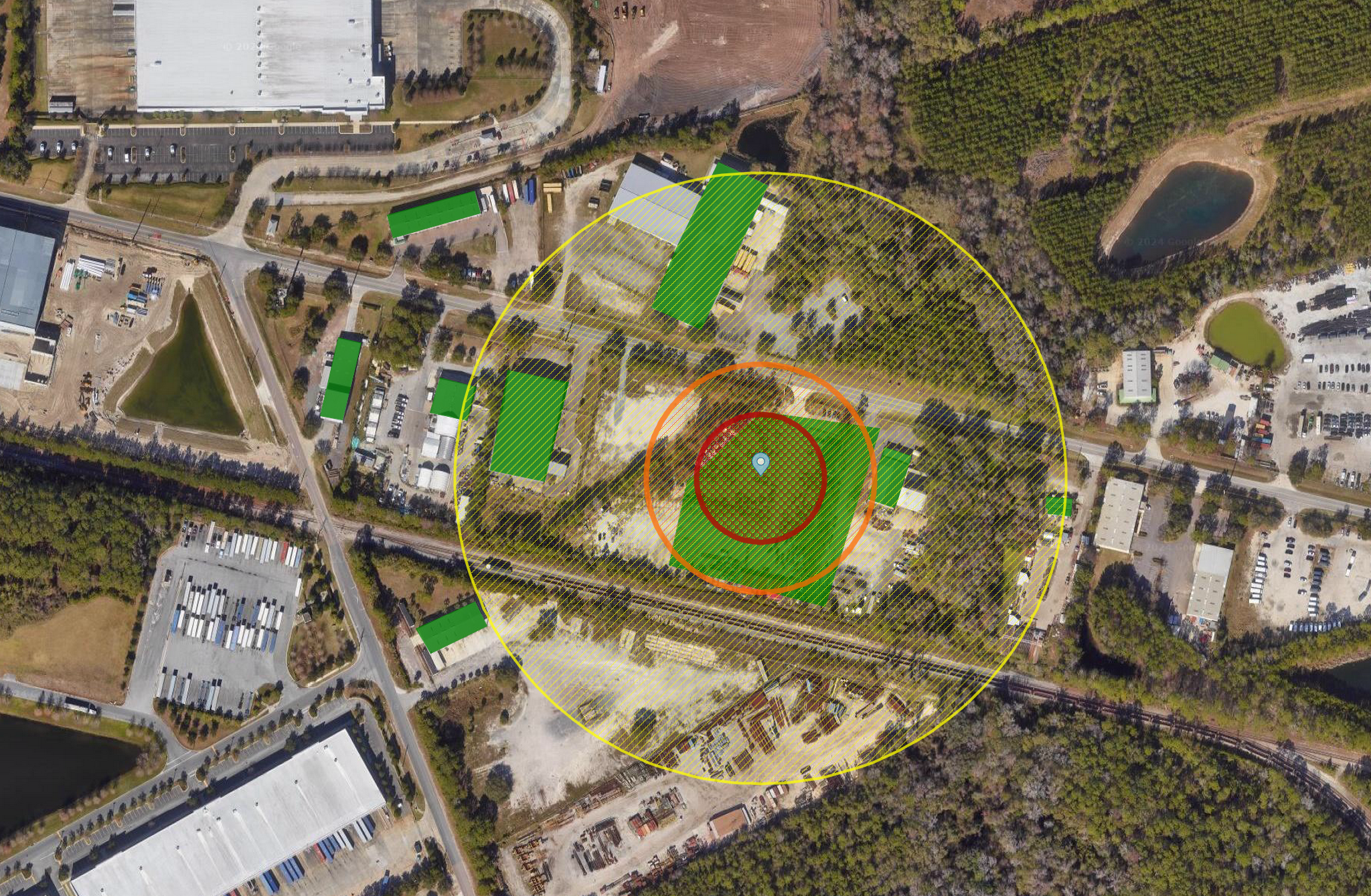
This blog emphasises the vital role of consequence modelling in assessing the impact of a runaway chemical reaction.
