An overview of the key safety concerns related to CO2 in CCUS technology, examples of accidents involving large CO2 releases, and safety measures.

An overview of the key safety concerns related to CO2 in CCUS technology, examples of accidents involving large CO2 releases, and safety measures.
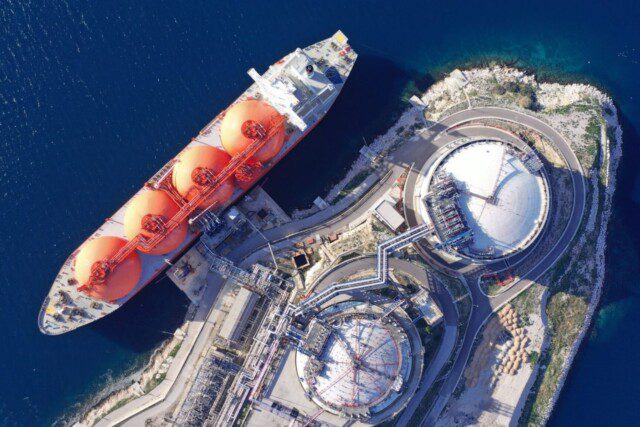
Lessons learnt from past LNG incidents, such as the Cleveland Disaster, the Skikda Explosion, and the Plymouth Plant Incident.

Learn how hazardous area classification (HAC) zoning and risk assessments support safety in CCUS infrastructure.

Learn about the critical factors in BESS safety, focusing on fire and explosion risks, regulations, and safety strategies.
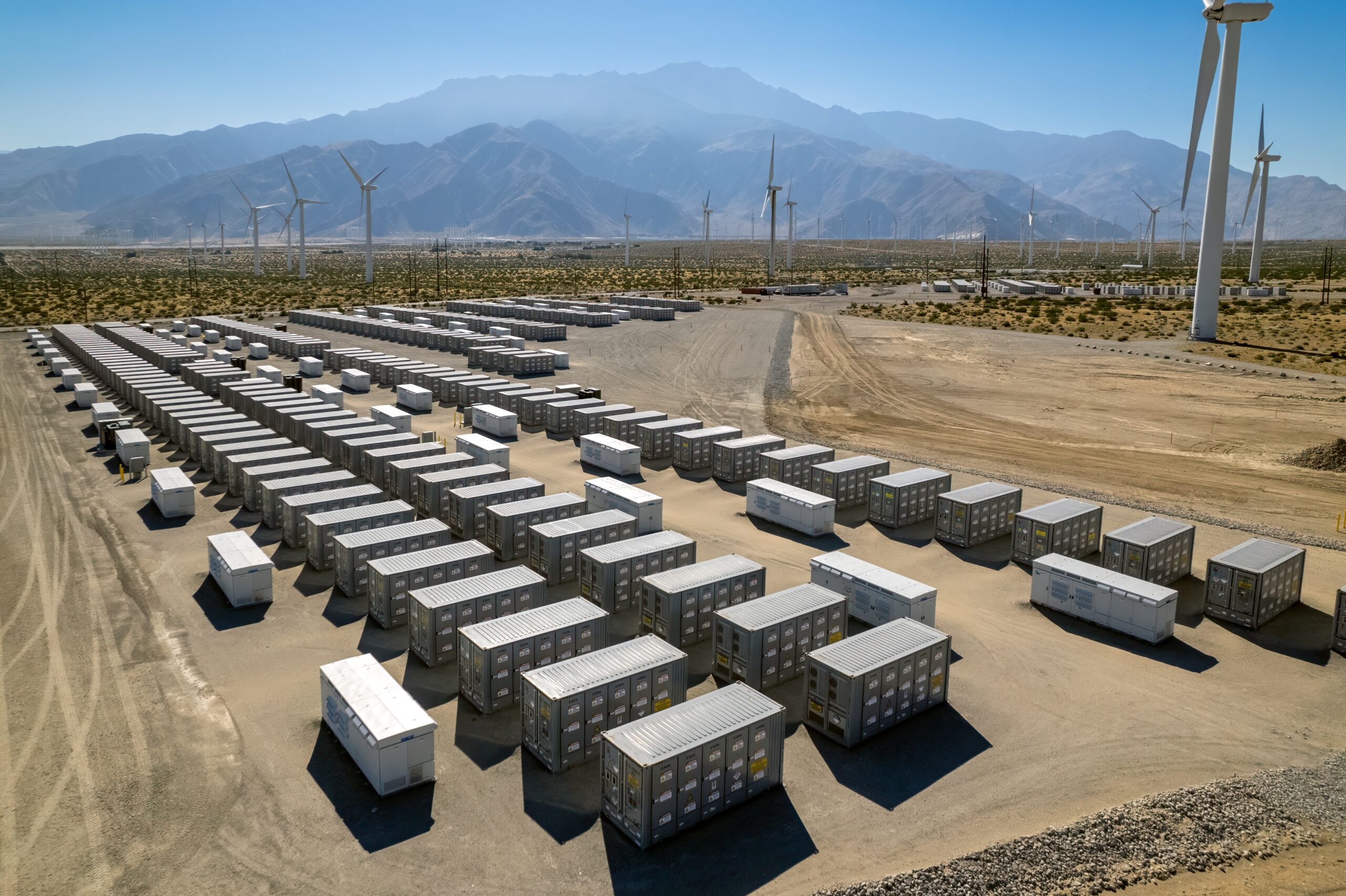
Practical insights on battery safety: common hazards, risks and measures to ensure safe handling and operation.
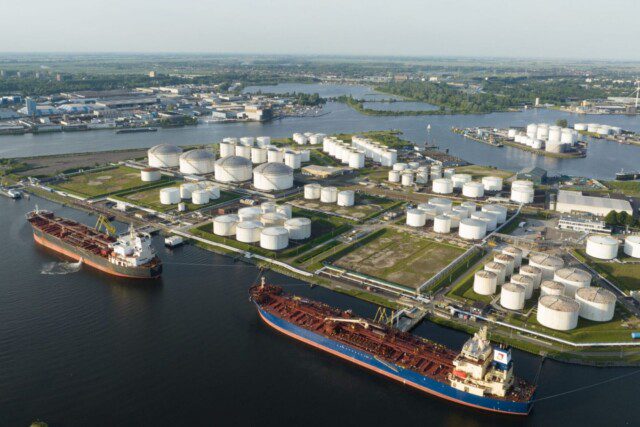
How advanced modelling tools can help improve LNG facility siting by supporting safer and more practical decision-making.

What a Pre-Construction Safety Report (PCSR) includes and how it helps identify and manage major risks before construction starts.
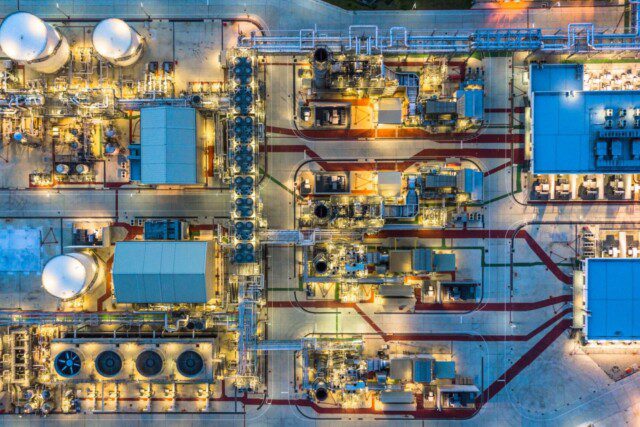
How to identify major accident hazards at COMAH and Seveso sites using HAZID to meet safety requirements and reduce risks.
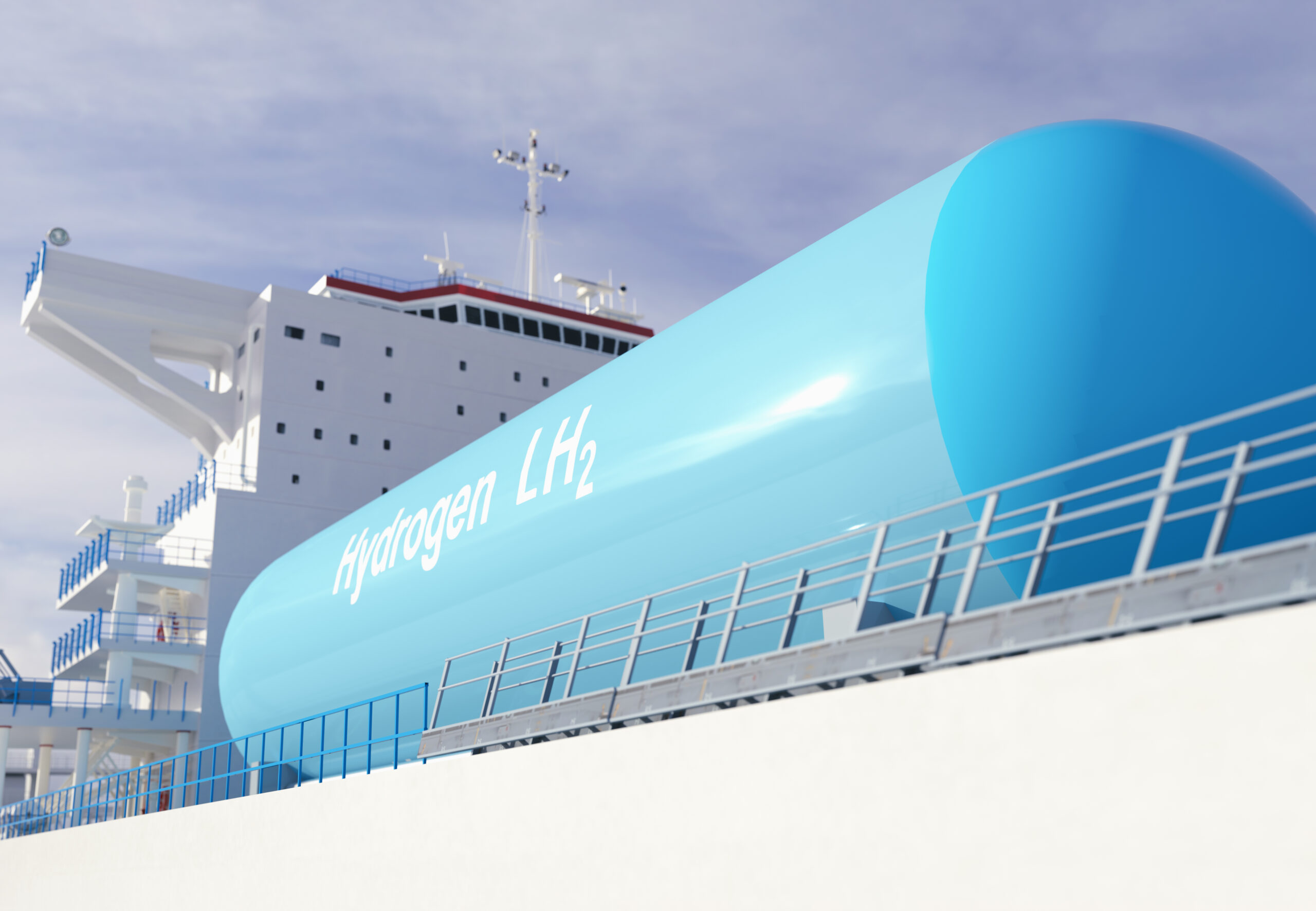
Essential safety considerations for liquid hydrogen: key hazards, risk controls and best practices for safe handling and storage.
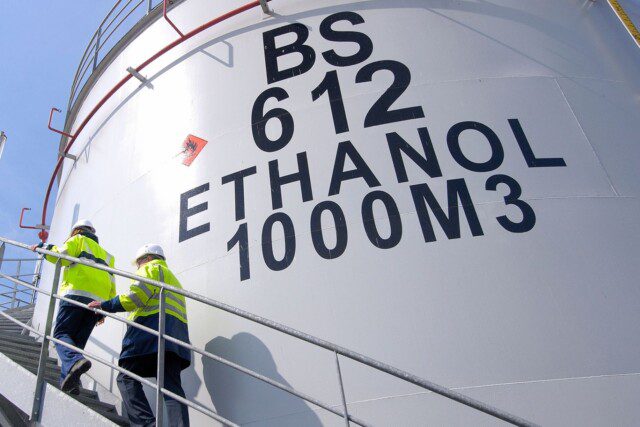
The risks associated with ethanol and relevant approaches to prevent and mitigate these hazards.
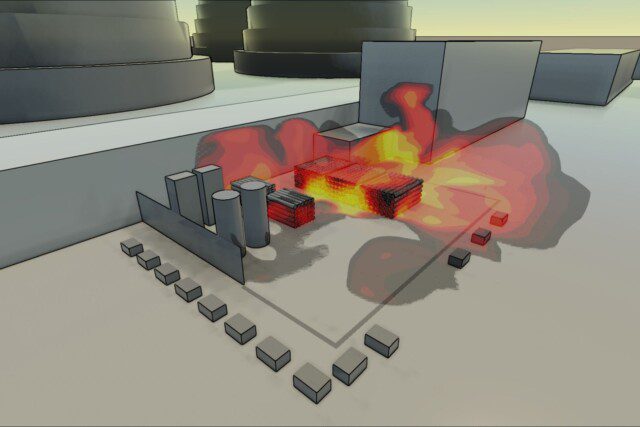
Advanced modelling tools can analyse the consequence of explosions in hydrogen bulk storage areas hence assisting in creating a safer design.
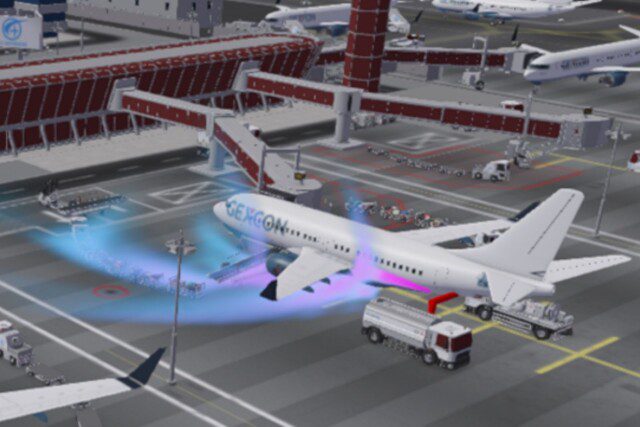
See how advanced CFD modelling can be used to understand the hazards from potential LH2 release scenarios while refuelling an aircraft.
