Understand the key differences between HAZID and HAZOP to choose the right assessment method for your project.

Understand the key differences between HAZID and HAZOP to choose the right assessment method for your project.

A practical guide on HAZOP, explaining its role in identifying risks, improving safety and supporting informed process decisions.

See the HAZID process and learn how it helps identify hazards early to improve safety and support better decision-making.
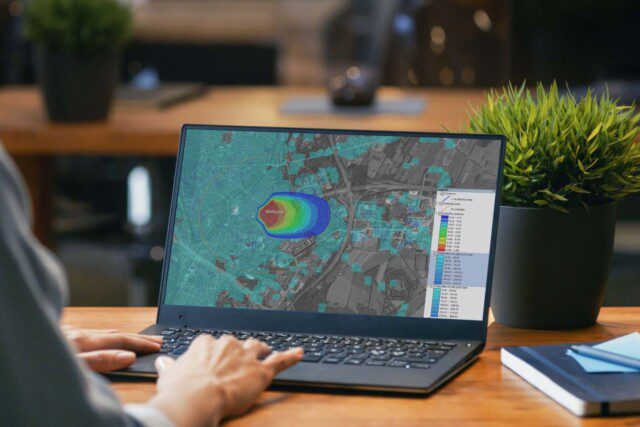
Learn how to carry out a QRA to identify major risks, assess their impact, and support safer decisions in high-hazard industries.

What a Pre-Construction Safety Report (PCSR) includes and how it helps identify and manage major risks before construction starts.

How to identify major accident hazards at COMAH and Seveso sites using HAZID to meet safety requirements and reduce risks.

The use of consequence analysis in QRA helps prioritise and complement risk assessments to support more informed safety decisions.

Consequence analysis is a critical aspect of process safety and risk management. Here are 10 crucial considerations to ensure a successful analysis.
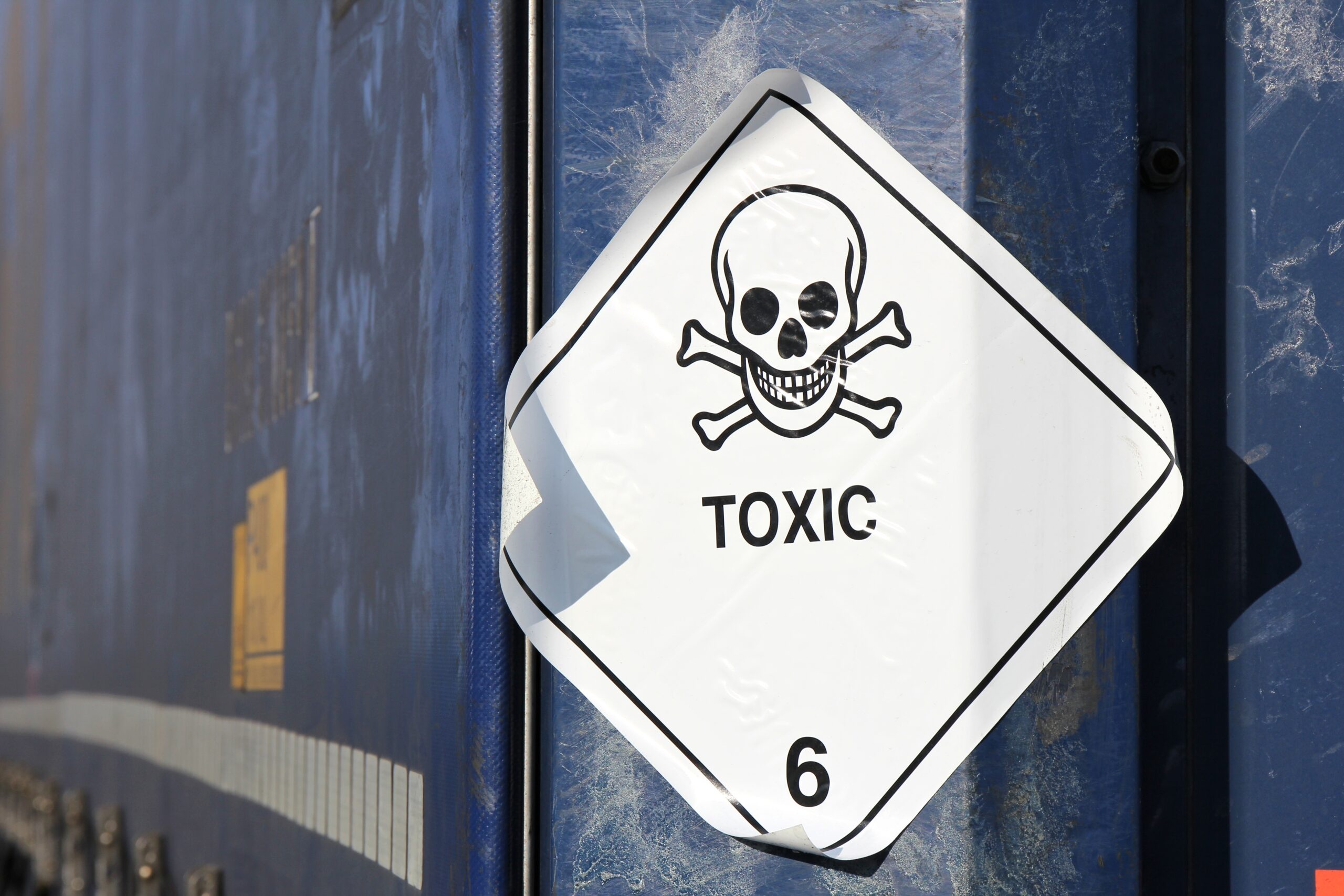
Find out how to model the consequences of atmospheric dispersion for an accidental toxic release with EFFECTS consequence modelling software.
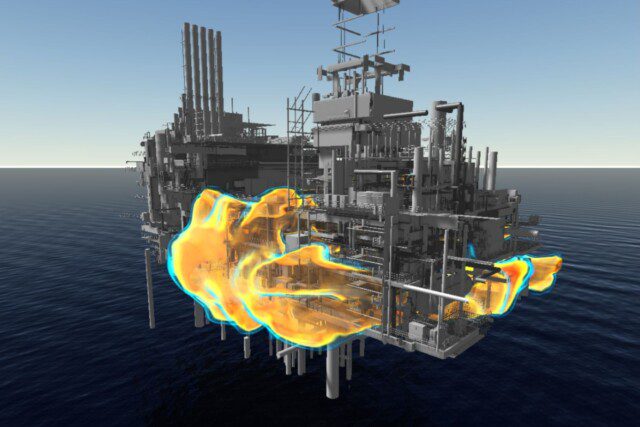
The development of Gexcon’s industry standard software for dispersion, explosion and fire modelling is closely linked to Piper Alpha.
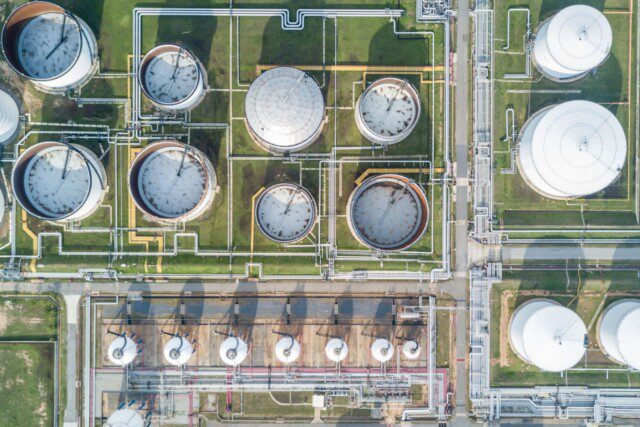
Gexcon expanded the flammable cloud generation from tank overfilling scenarios model to consider other materials and (weather) conditions.
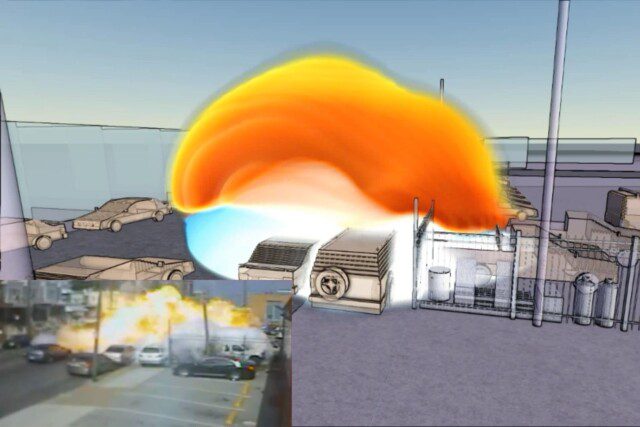
Due to propane’s characteristics, there are safety-critical design features and procedures that should be implemented in the propane industry to ensure the safe use of propane.
