Get an overview of what makes ammonia unique, its dispersion behaviour in different forms, the hazards linked to its properties, and potential LoC events.
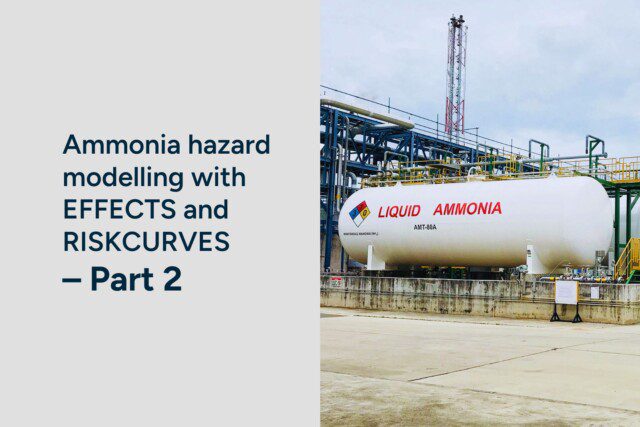
Get an overview of what makes ammonia unique, its dispersion behaviour in different forms, the hazards linked to its properties, and potential LoC events.
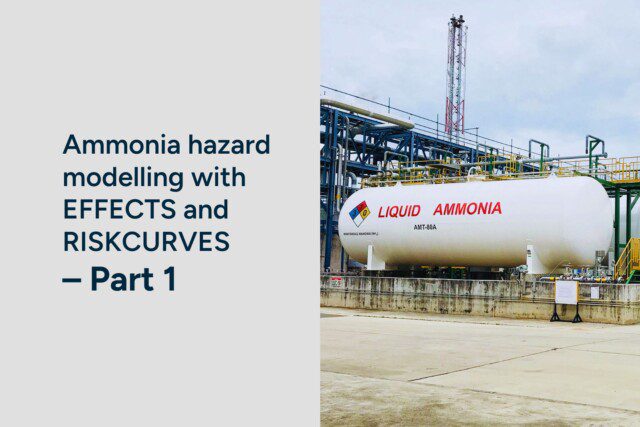
In the first episode of our series, Ammonia Hazard Modelling with EFFECTS and RISKCURVES, Viktoria Bohacikova, Technical Product Specialist, explains why ammonia safety must not be overlooked.
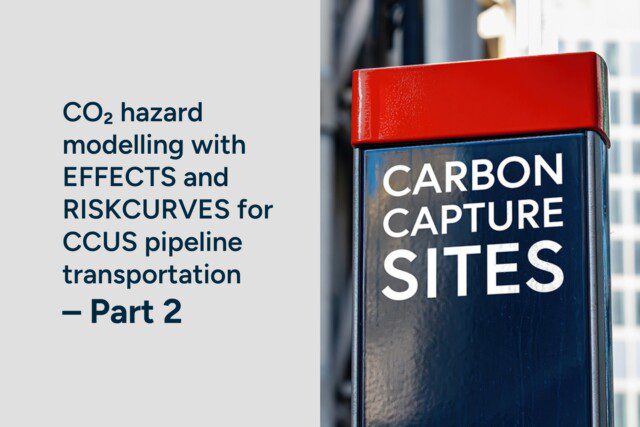
This episode discusses the fundamental properties of CO2 and the hazards associated with CO2 pipeline transportation.
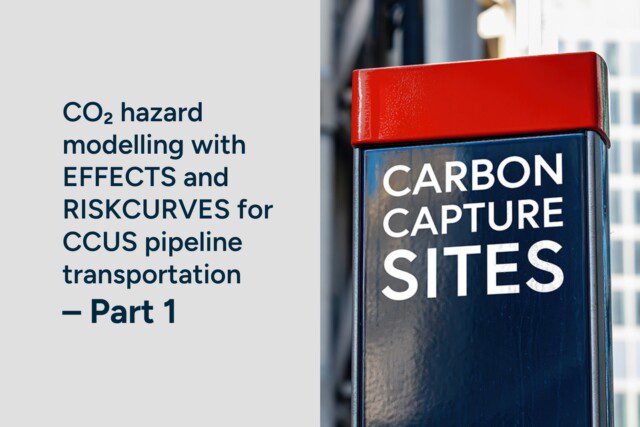
This first episode discusses why CO2 transportation safety is critical in CCUS projects.

Learn what causes dust explosions, why they’re dangerous, and how to reduce the risk in industrial environments.

Understand the key differences between HAZID and HAZOP to choose the right assessment method for your project.

A practical guide on HAZOP, explaining its role in identifying risks, improving safety and supporting informed process decisions.

See the HAZID process and learn how it helps identify hazards early to improve safety and support better decision-making.
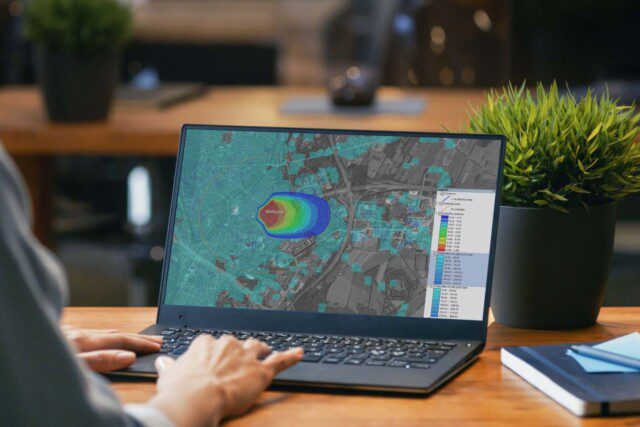
Learn how to carry out a QRA to identify major risks, assess their impact, and support safer decisions in high-hazard industries.

The use of consequence analysis in QRA helps prioritise and complement risk assessments to support more informed safety decisions.
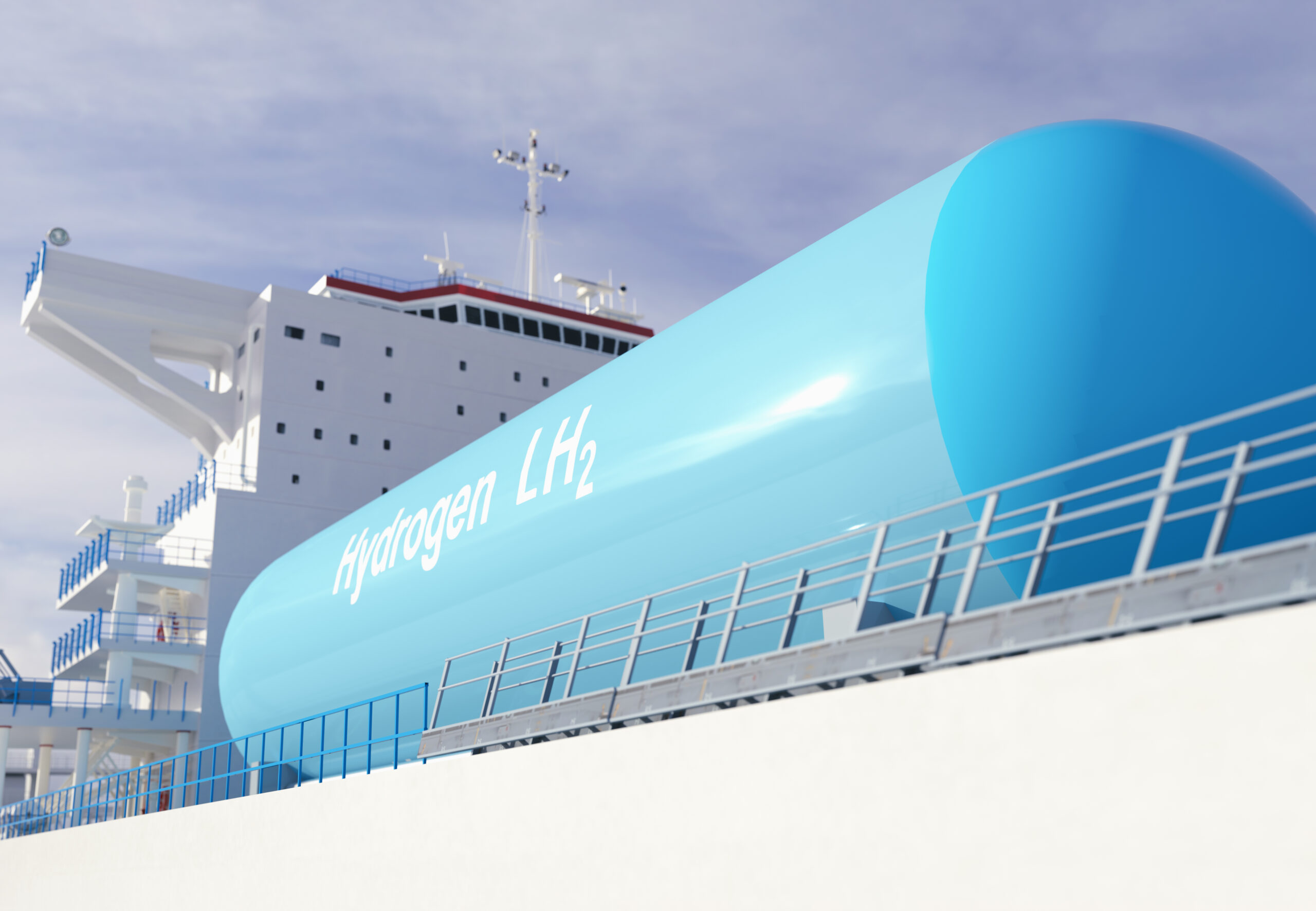
Essential safety considerations for liquid hydrogen: key hazards, risk controls and best practices for safe handling and storage.
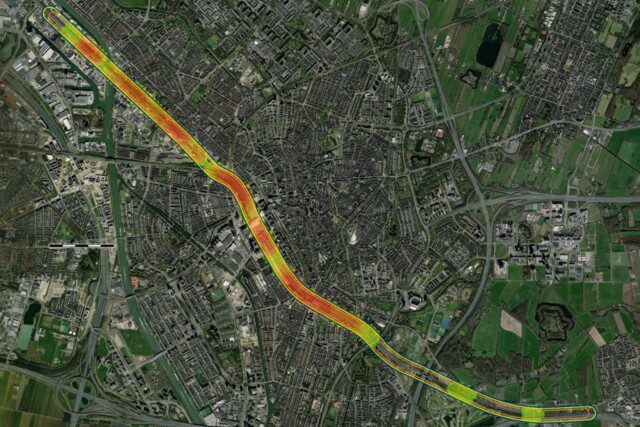
This article explores the calculation of Societal Risk maps through a case study of an ethanol tank wagon accident using Gexcon’s RISKCURVES QRA software.
