This third episode discusses the challenges in modelling CO2 releases, including its multiphase nature, the impact of craters when pipelines are buried, dense gas behaviour, and more.
This third episode discusses the challenges in modelling CO2 releases, including its multiphase nature, the impact of craters when pipelines are buried, dense gas behaviour, and more.
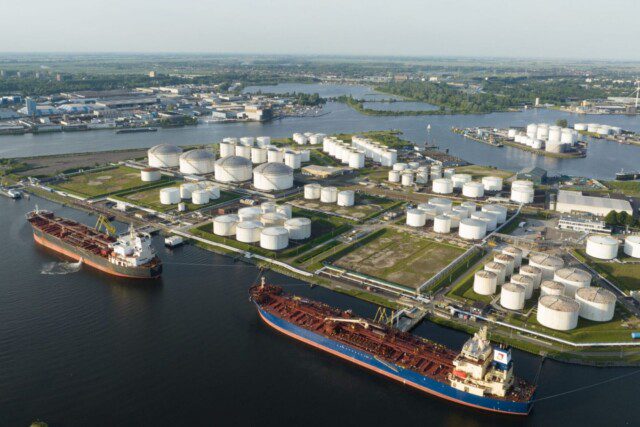
How advanced modelling tools can help improve LNG facility siting by supporting safer and more practical decision-making.
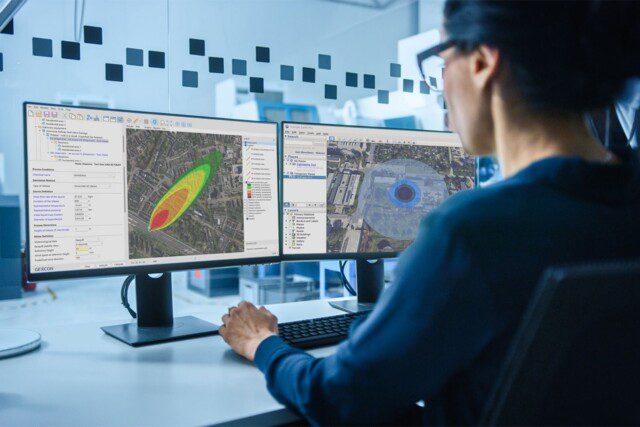
The use of consequence analysis in QRA helps prioritise and complement risk assessments to support more informed safety decisions.
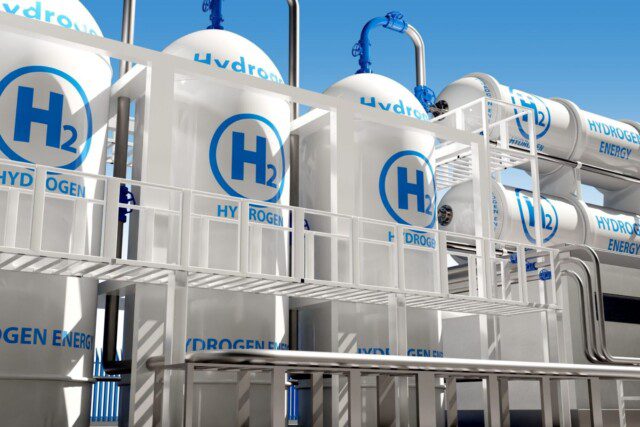
Learn about the efficacy of the Gas Fireball model in EFFECTS through two hydrogen release scenarios.
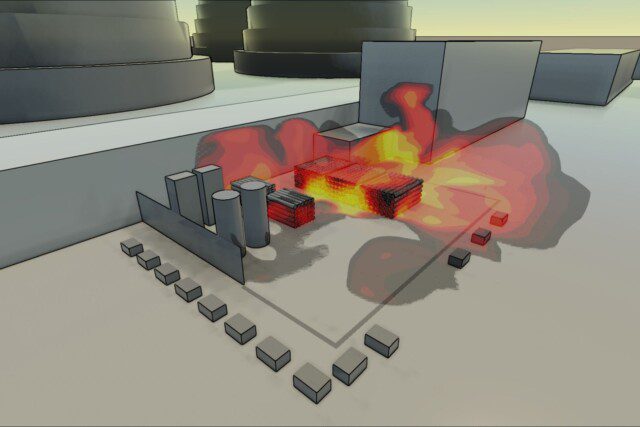
Advanced modelling tools can analyse the consequence of explosions in hydrogen bulk storage areas hence assisting in creating a safer design.
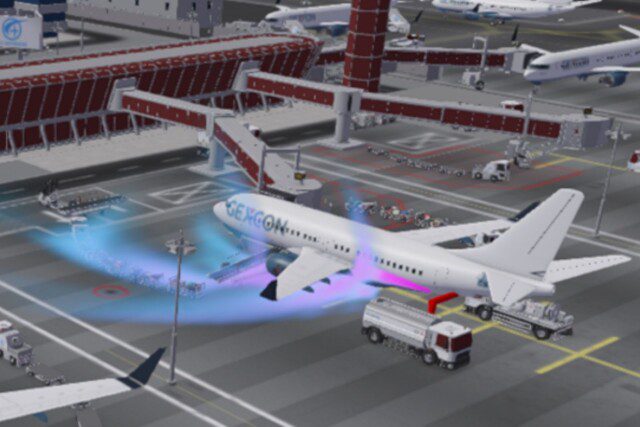
See how advanced CFD modelling can be used to understand the hazards from potential LH2 release scenarios while refuelling an aircraft.

The Coloured Books serve as how-to guidelines and are extensively used as a reference in the global safety community.
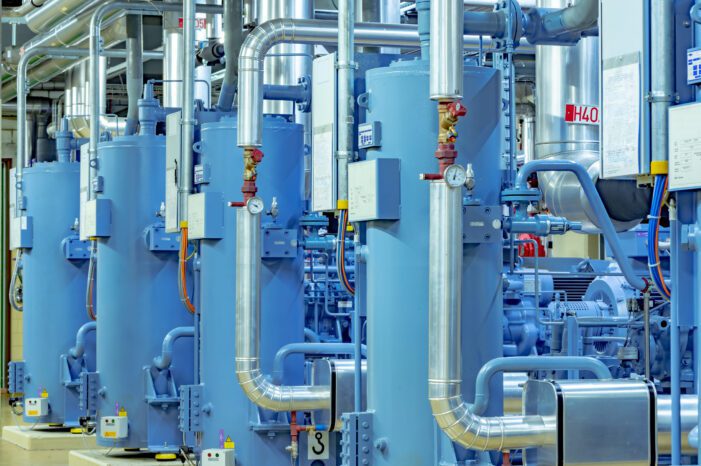
Advanced consequence modelling supports ammonia risk assessments and helps improve safety in storage, transport, and use.
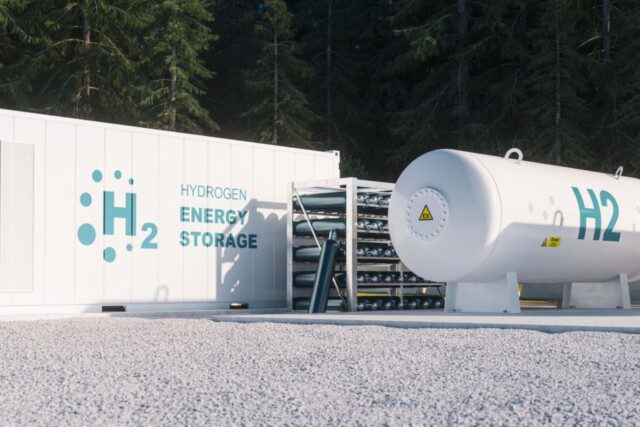
Learn why CFD is important in designing bulk hydrogen storage, helping to predict release behaviour, dispersion, and explosion risks.
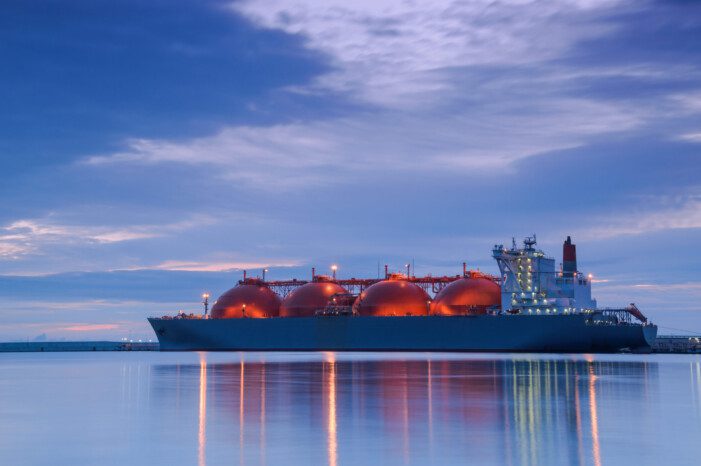
Learn how Gexcon supported safety assessments for the UK’s first multifunctional LNG terminal through advanced modelling and expertise.

Learn how to model dense gas dispersion in urban areas, accounting for buildings, terrain, and wind to improve safety assessments.
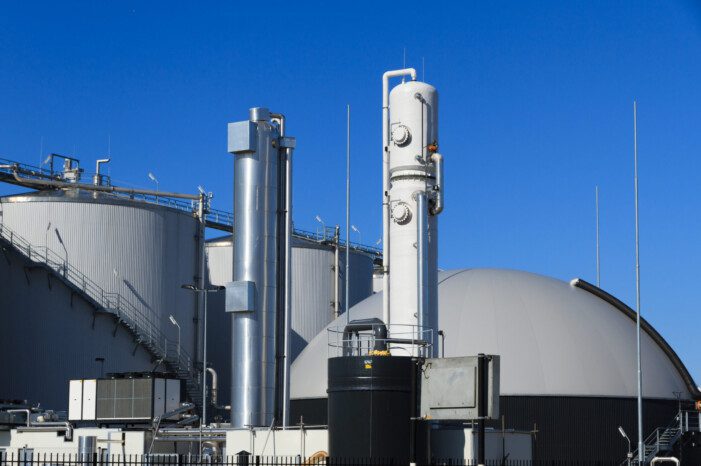
Learn how CFD-based risk analysis supports safer biogas production by predicting gas dispersion, fire, and explosion hazards.
