Advanced modelling tools can analyse the consequence of explosions in hydrogen bulk storage areas hence assisting in creating a safer design.
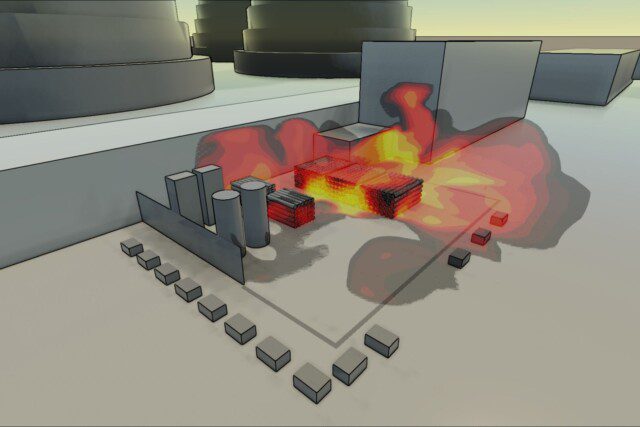
Advanced modelling tools can analyse the consequence of explosions in hydrogen bulk storage areas hence assisting in creating a safer design.
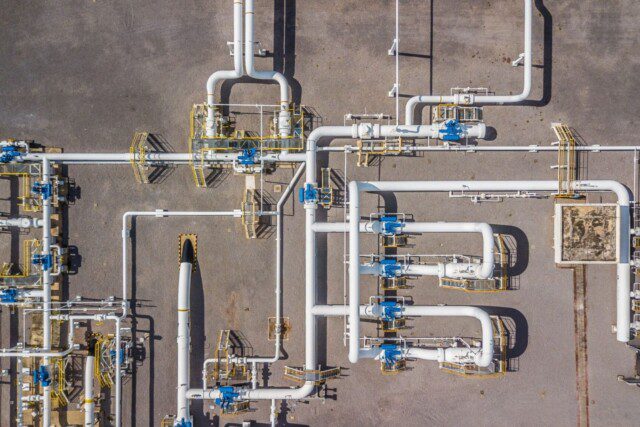
Read our recent paper on CFD-based explosion analysis of hydrogen-methane-air mixtures which was performed using FLACS consequence modelling software.
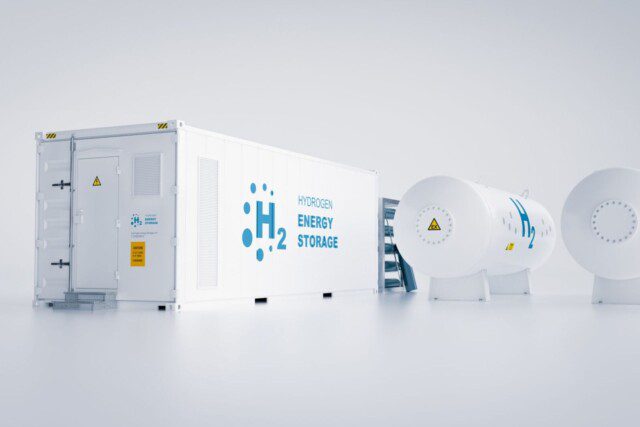
Learn how Gexcon implements the gas fireball model for hydrogen in the consequence modelling tool EFFECTS.
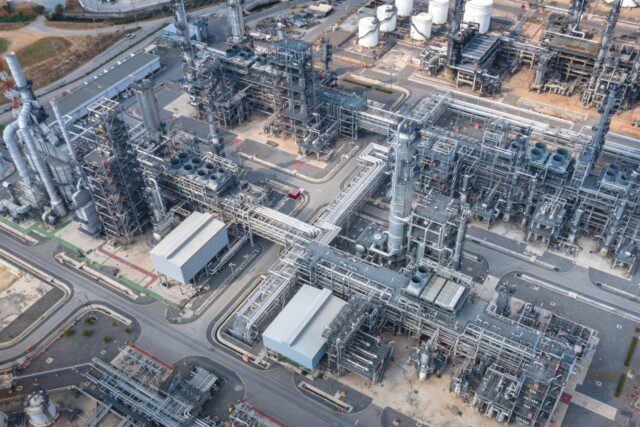
Learn how to simulate confined vapour cloud explosions (VCEs) in EFFECTS to assess blast impacts and improve safety in high-risk areas.

Hydrogen combustion, release behaviour, dispersion, fire and explosion risks—key insights for safe hydrogen use and design.
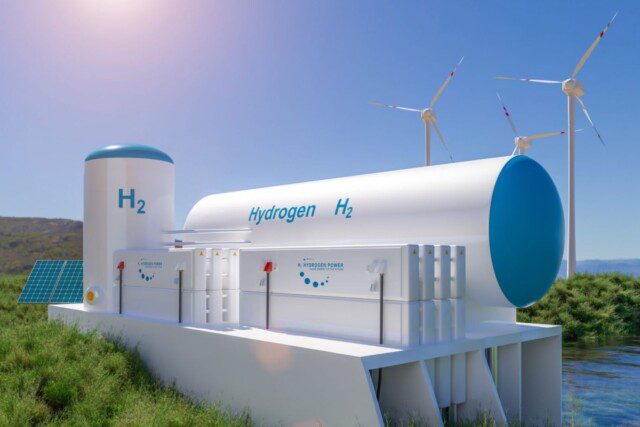
We can ensure the safe production, transportation, and usage of hydrogen by carefully considering its typical properties and associated safety aspects.
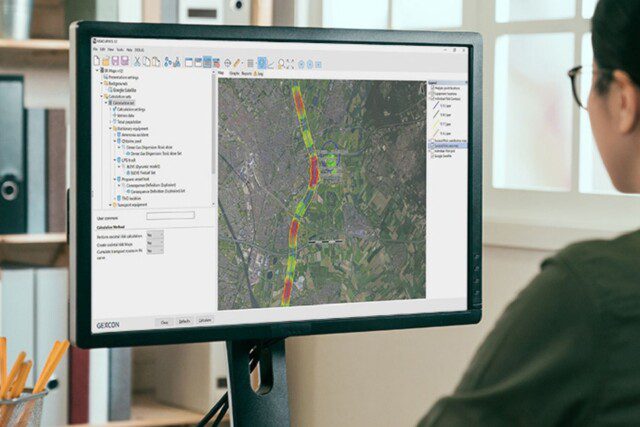
Learn how Societal Risk maps provide a clear, visual way to understand and communicate risk distribution across geographical areas.
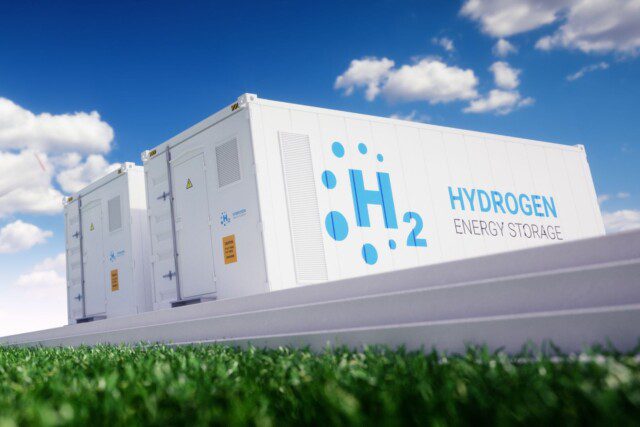
Understand the key safety challenges of new energy carriers like hydrogen and ammonia, and how to manage their unique hazard profiles.
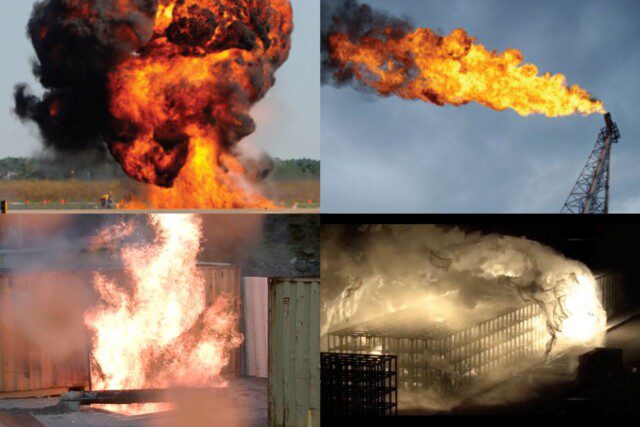
Learn what to expect when a hazardous substance leaks and how to assess the potential fire, explosion, and toxic exposure risks.
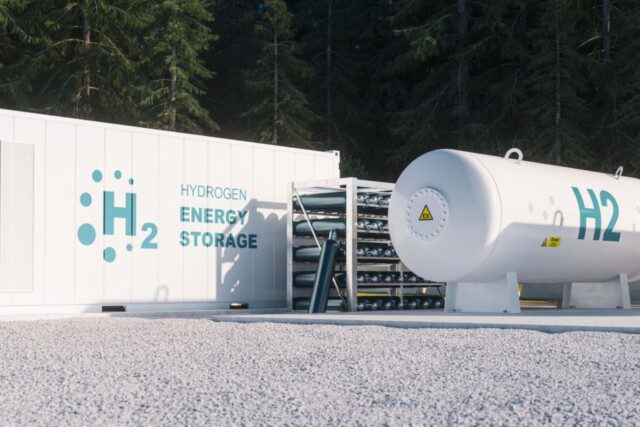
Learn why CFD is important in designing bulk hydrogen storage, helping to predict release behaviour, dispersion, and explosion risks.

Get an introduction to HAZID: what it is, when to use it, and how it helps identify hazards early in process safety and risk management.
Learn the basics of ATEX Directives, their role in managing explosive atmospheres, and what they mean for equipment and workplace safety.
