Learn what to expect when a hazardous substance leaks and how to assess the potential fire, explosion, and toxic exposure risks.
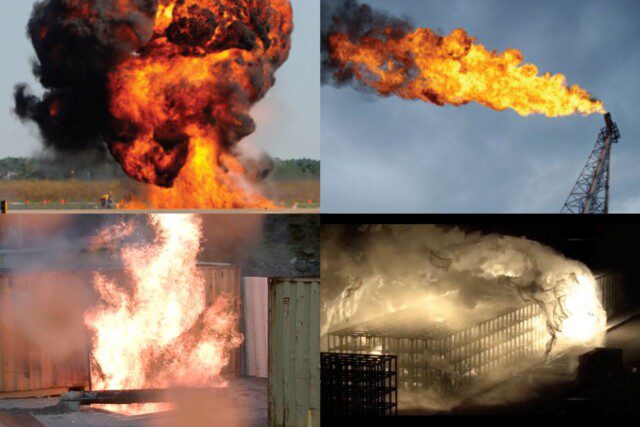
Learn what to expect when a hazardous substance leaks and how to assess the potential fire, explosion, and toxic exposure risks.
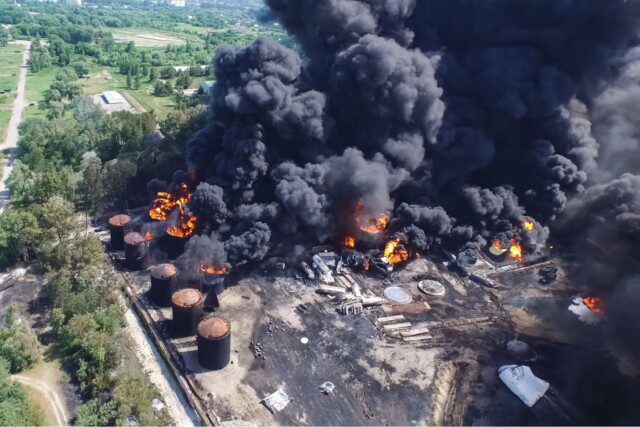
Find out how to simulate tank pit fires in EFFECTS to evaluate thermal radiation, flame size, and impact on nearby equipment or areas.
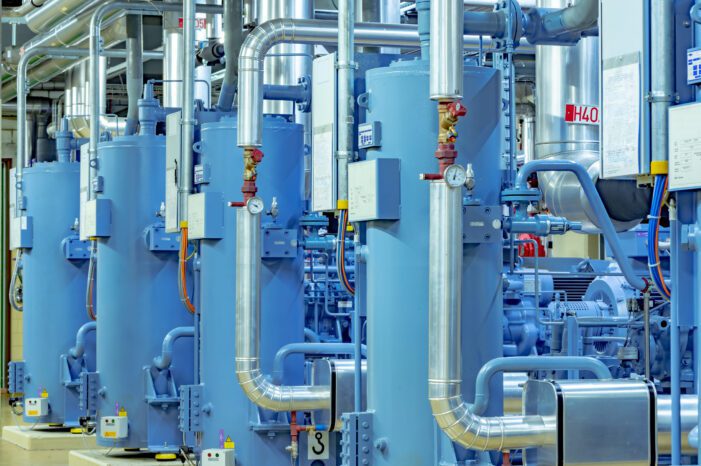
Advanced consequence modelling supports ammonia risk assessments and helps improve safety in storage, transport, and use.

Explore if the current approach to hazardous area classification needs to change when dealing with high flash point liquids.
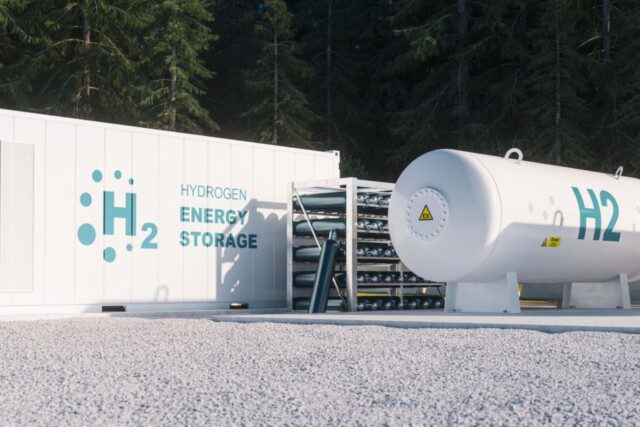
Learn why CFD is important in designing bulk hydrogen storage, helping to predict release behaviour, dispersion, and explosion risks.

Get an introduction to HAZID: what it is, when to use it, and how it helps identify hazards early in process safety and risk management.
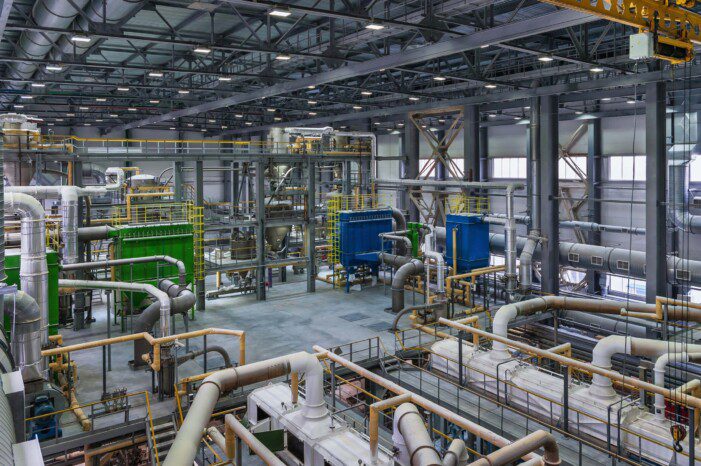
Learn the basics of ATEX Directives, their role in managing explosive atmospheres, and what they mean for equipment and workplace safety.
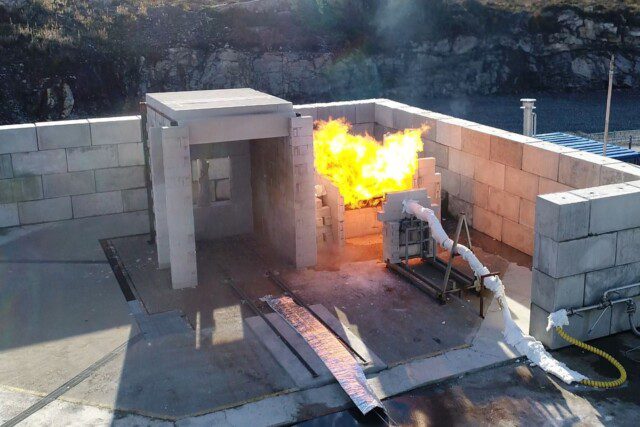
Understand the role of passive fire protection in reducing fire impact, protecting assets, and supporting safe facility design.
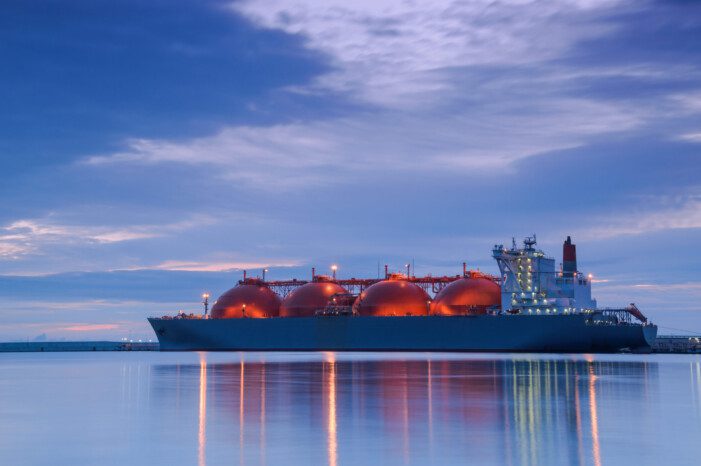
Learn how Gexcon supported safety assessments for the UK’s first multifunctional LNG terminal through advanced modelling and expertise.
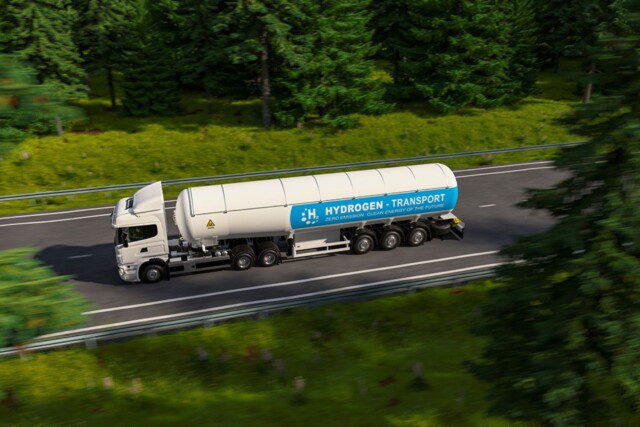
Explore common misconceptions about hydrogen hazards and why proper understanding is key to handling this fuel safely and effectively.

Learn how to model dense gas dispersion in urban areas, accounting for buildings, terrain, and wind to improve safety assessments.

Learn how to reduce the risk of ammonium nitrate explosions through safer storage, fire prevention measures, and risk awareness.
