This blog explains the basics about deriving consequences from releases leading to a toxic cloud.
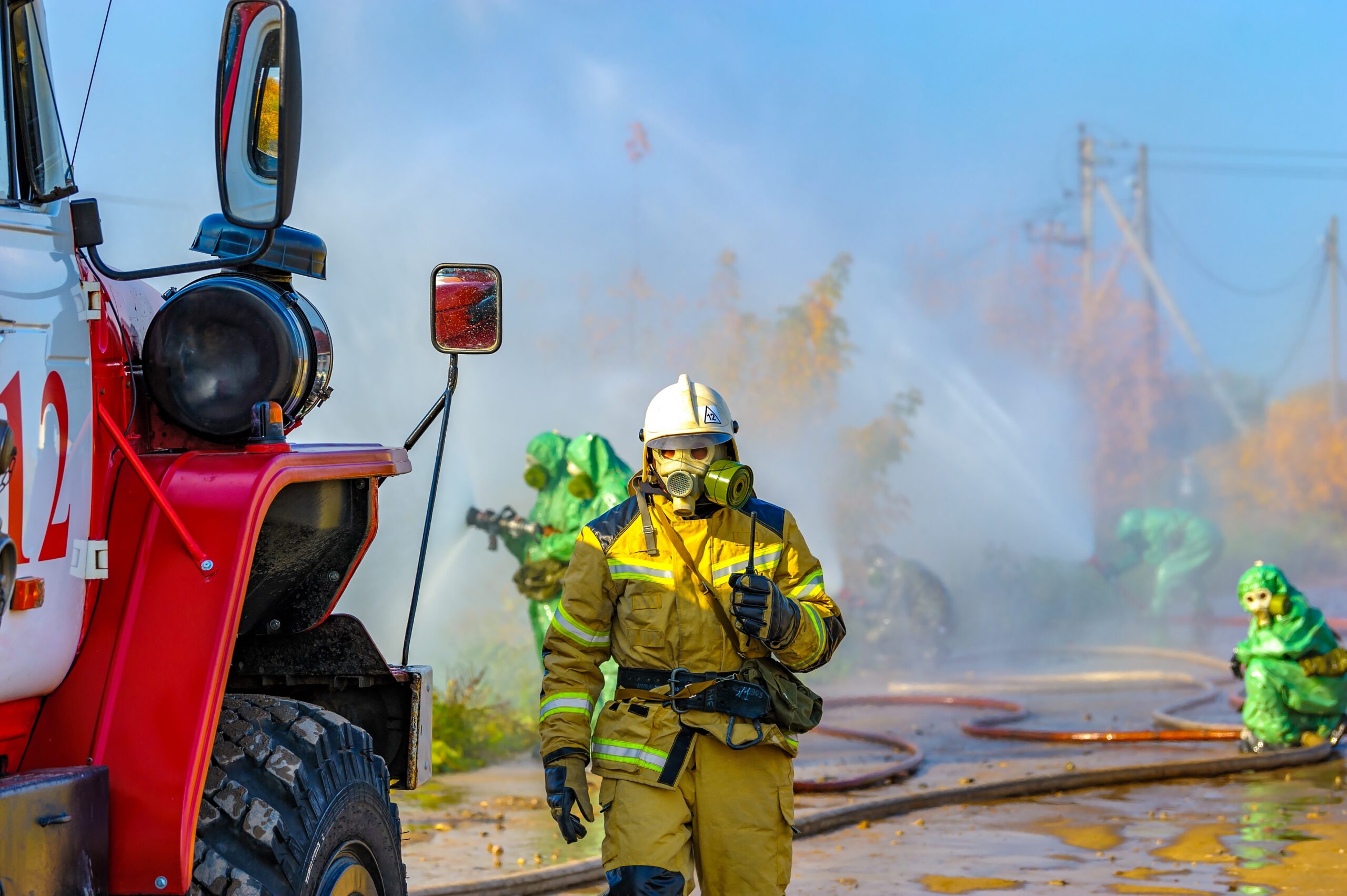
This blog explains the basics about deriving consequences from releases leading to a toxic cloud.
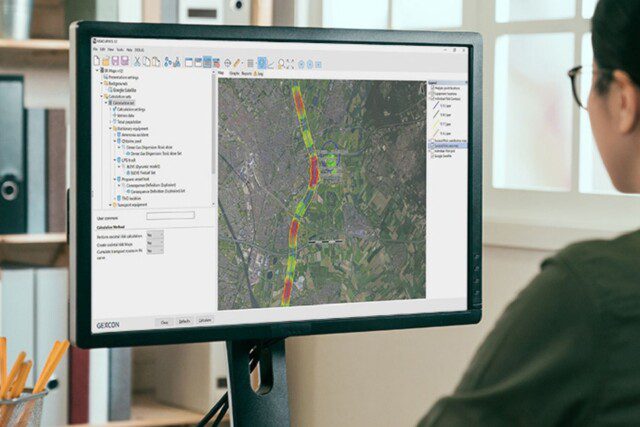
Learn how Societal Risk maps provide a clear, visual way to understand and communicate risk distribution across geographical areas.
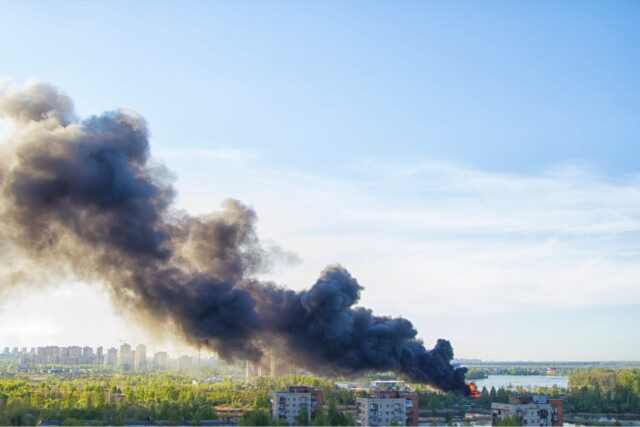
See how to simulate plumes from large fires in EFFECTS to assess thermal radiation, smoke dispersion, and impact on nearby areas.
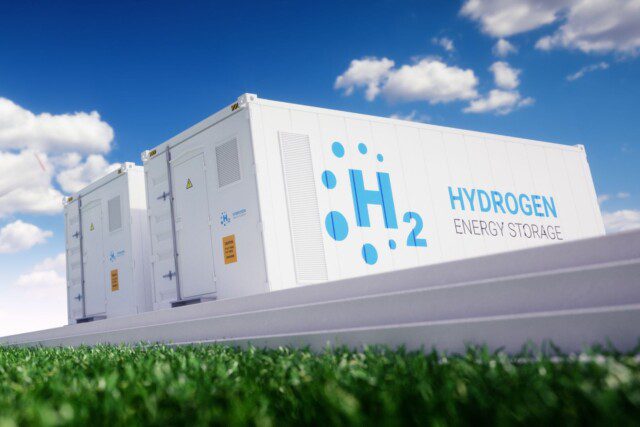
Understand the key safety challenges of new energy carriers like hydrogen and ammonia, and how to manage their unique hazard profiles.
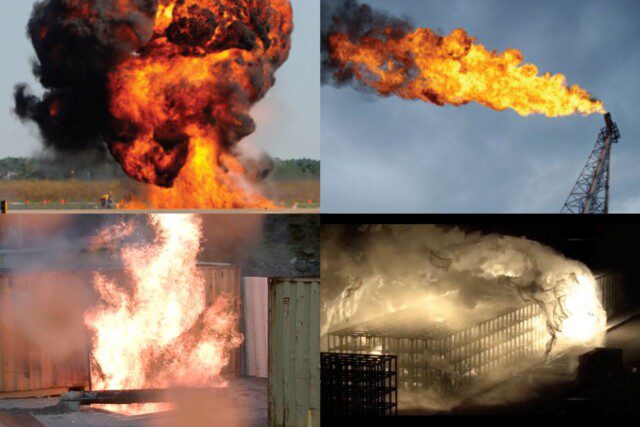
Learn what to expect when a hazardous substance leaks and how to assess the potential fire, explosion, and toxic exposure risks.
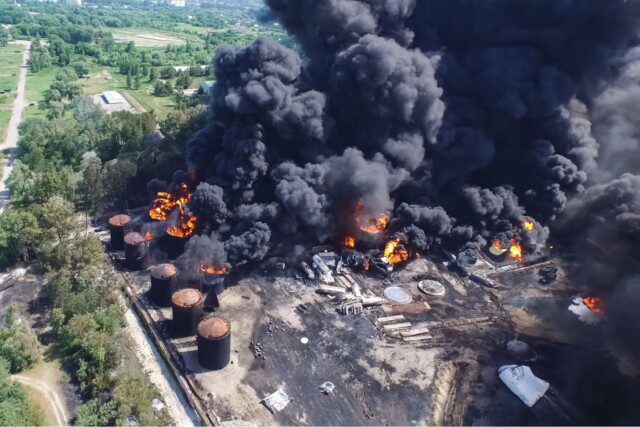
Find out how to simulate tank pit fires in EFFECTS to evaluate thermal radiation, flame size, and impact on nearby equipment or areas.

Get an introduction to HAZID: what it is, when to use it, and how it helps identify hazards early in process safety and risk management.
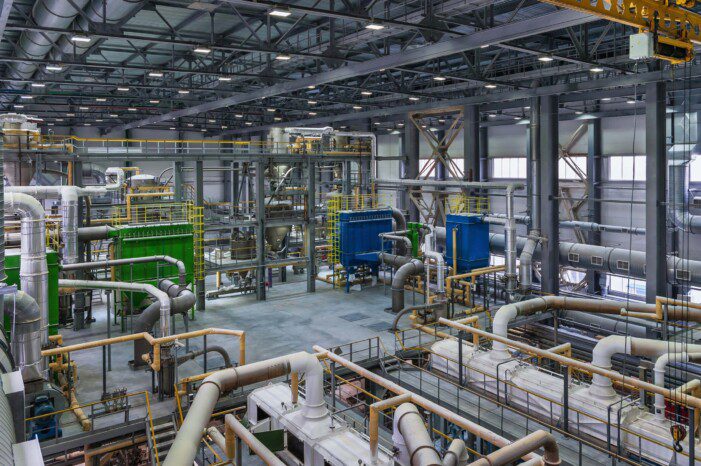
Learn the basics of ATEX Directives, their role in managing explosive atmospheres, and what they mean for equipment and workplace safety.
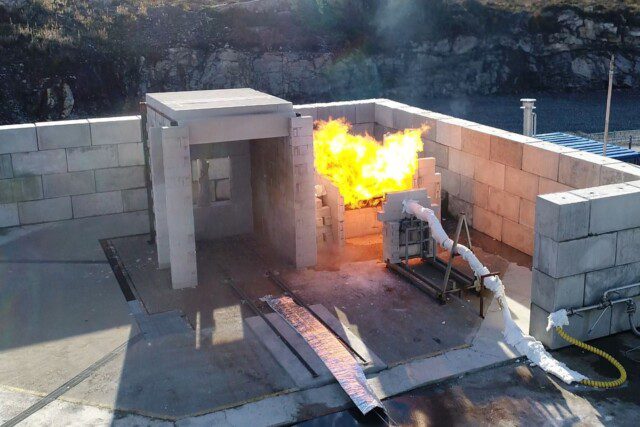
Understand the role of passive fire protection in reducing fire impact, protecting assets, and supporting safe facility design.
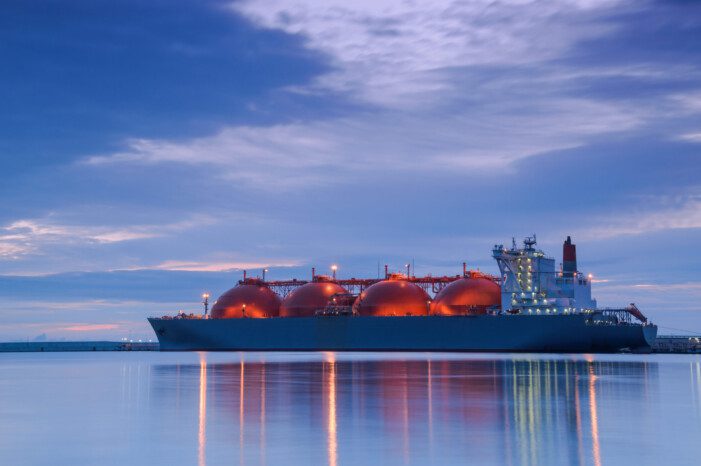
Learn how Gexcon supported safety assessments for the UK’s first multifunctional LNG terminal through advanced modelling and expertise.

Learn how to model dense gas dispersion in urban areas, accounting for buildings, terrain, and wind to improve safety assessments.
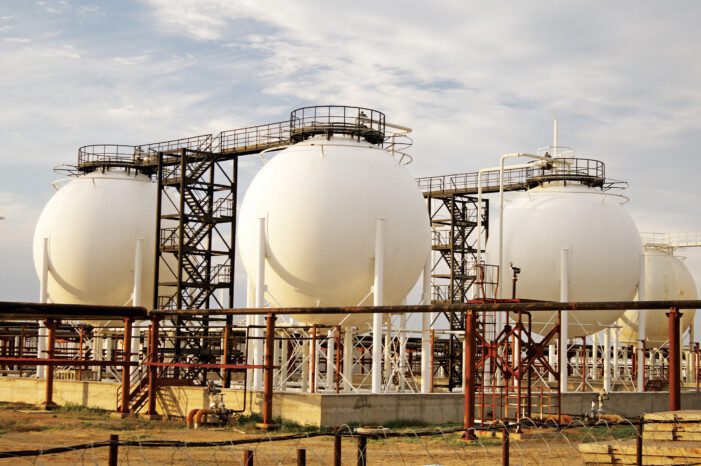
Discover the 7 key hazards in LNG facilities, from cryogenic risks to vapour cloud explosions.
