We can ensure the safe production, transportation, and usage of hydrogen by carefully considering its typical properties and associated safety aspects.
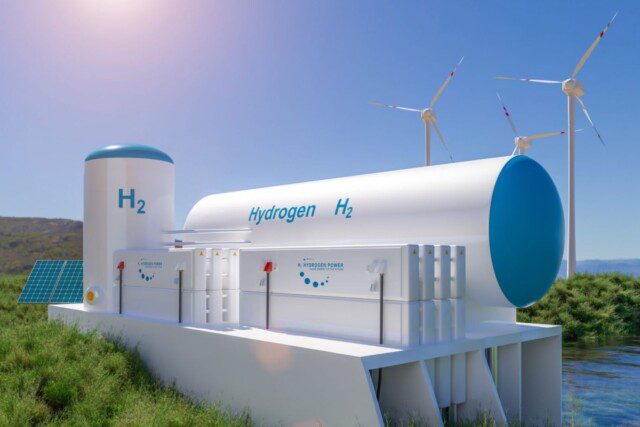
We can ensure the safe production, transportation, and usage of hydrogen by carefully considering its typical properties and associated safety aspects.
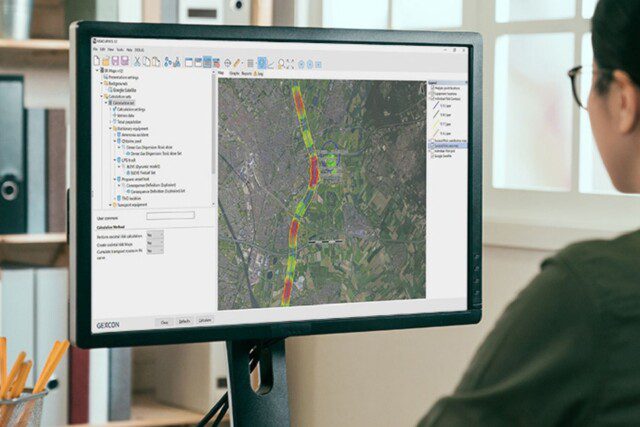
Learn how Societal Risk maps provide a clear, visual way to understand and communicate risk distribution across geographical areas.
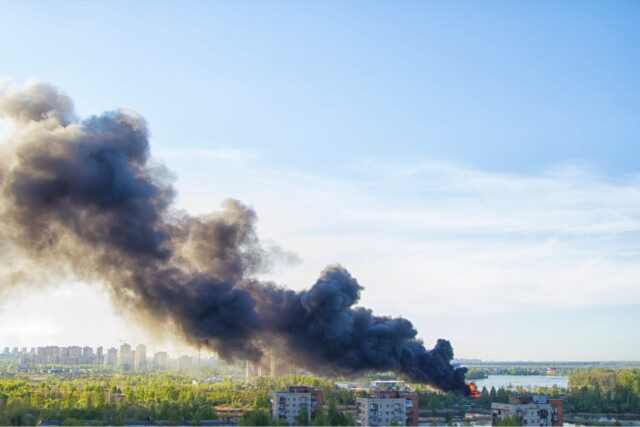
See how to simulate plumes from large fires in EFFECTS to assess thermal radiation, smoke dispersion, and impact on nearby areas.
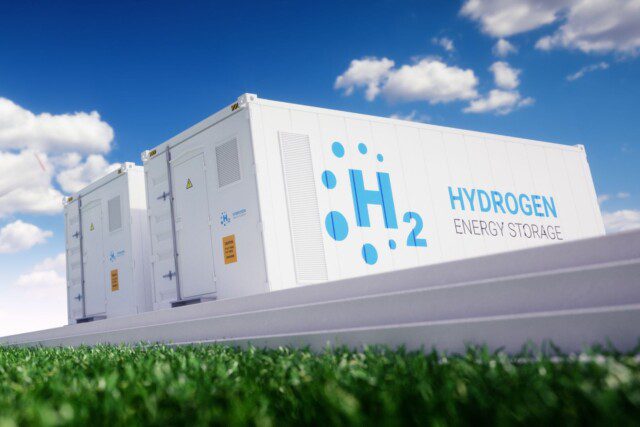
Understand the key safety challenges of new energy carriers like hydrogen and ammonia, and how to manage their unique hazard profiles.
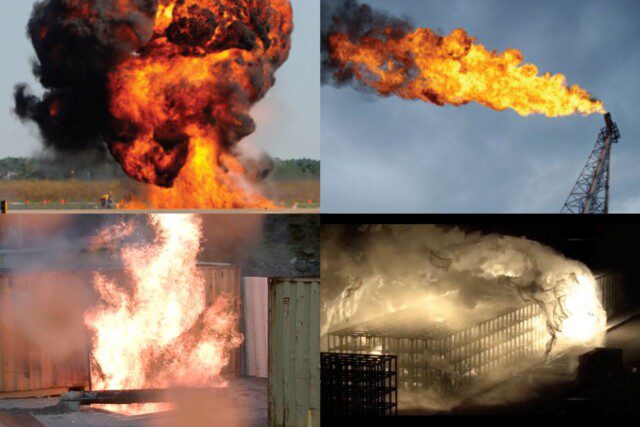
Learn what to expect when a hazardous substance leaks and how to assess the potential fire, explosion, and toxic exposure risks.
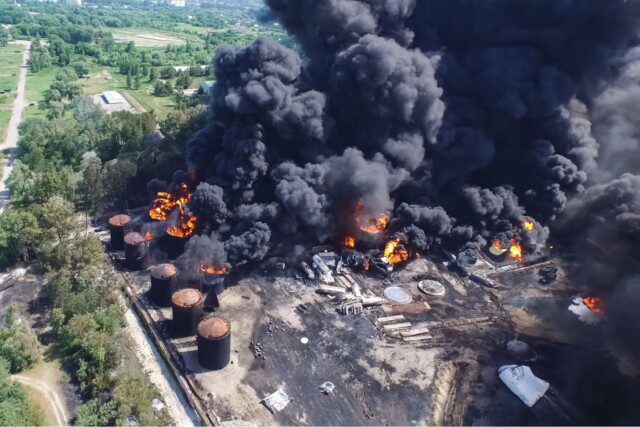
Find out how to simulate tank pit fires in EFFECTS to evaluate thermal radiation, flame size, and impact on nearby equipment or areas.
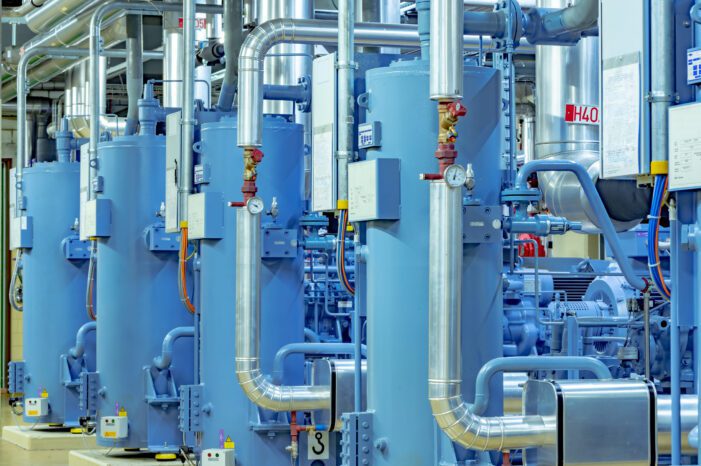
Advanced consequence modelling supports ammonia risk assessments and helps improve safety in storage, transport, and use.
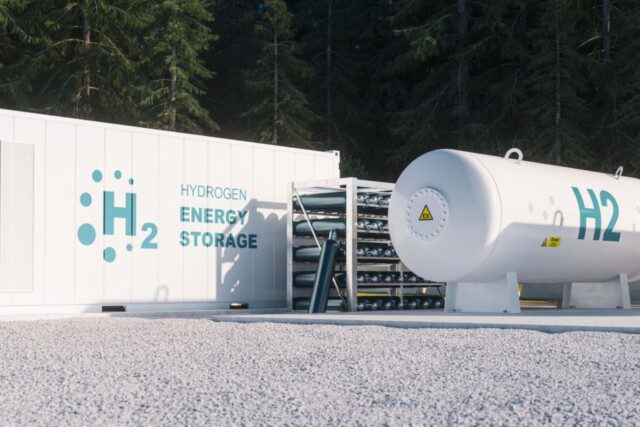
Learn why CFD is important in designing bulk hydrogen storage, helping to predict release behaviour, dispersion, and explosion risks.

Get an introduction to HAZID: what it is, when to use it, and how it helps identify hazards early in process safety and risk management.
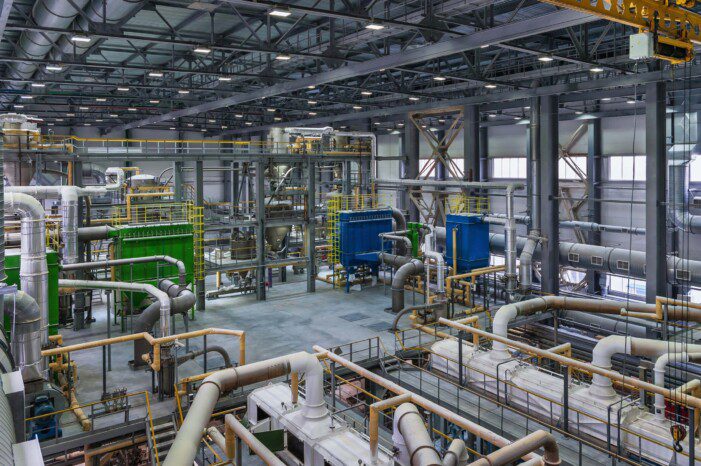
Learn the basics of ATEX Directives, their role in managing explosive atmospheres, and what they mean for equipment and workplace safety.
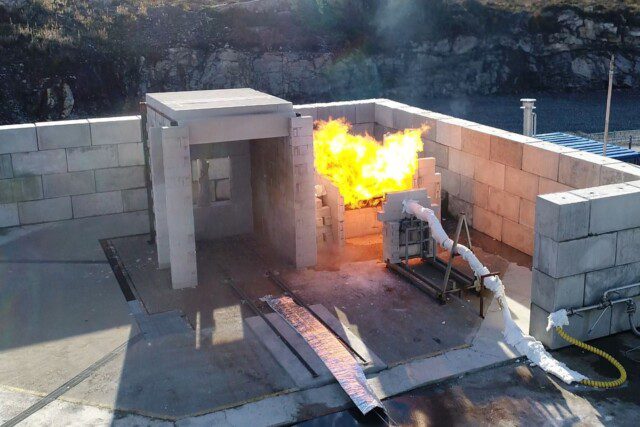
Understand the role of passive fire protection in reducing fire impact, protecting assets, and supporting safe facility design.
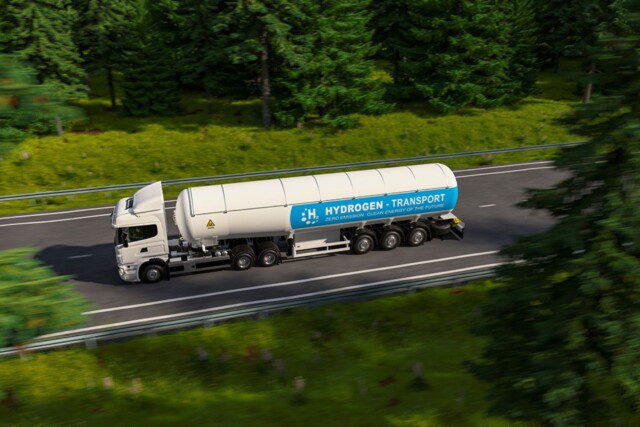
Explore common misconceptions about hydrogen hazards and why proper understanding is key to handling this fuel safely and effectively.
