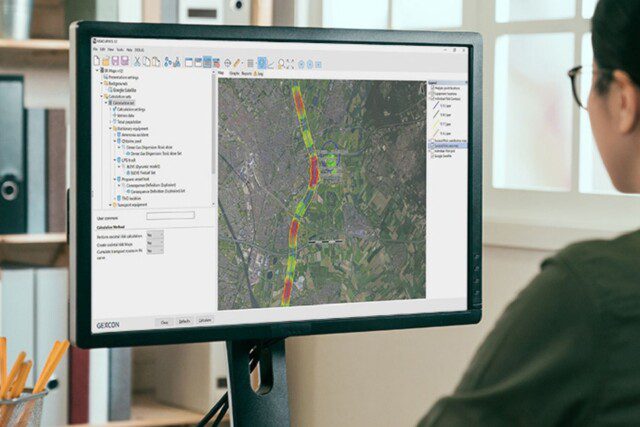
Learn how Societal Risk maps provide a clear, visual way to understand and communicate risk distribution across geographical areas.
Read our blogs for topical commentary on the issues that matter most. Update your knowledge, gain new insights and get advice on the hot topics for process safety and risk management.
Learn how Societal Risk maps provide a clear, visual way to understand and communicate risk distribution across geographical areas.
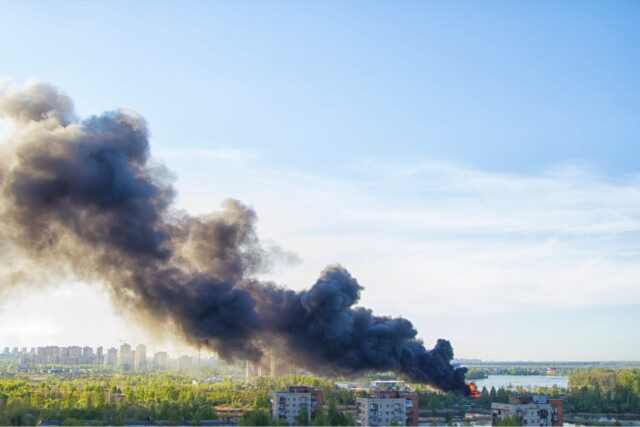
See how to simulate plumes from large fires in EFFECTS to assess thermal radiation, smoke dispersion, and impact on nearby areas.
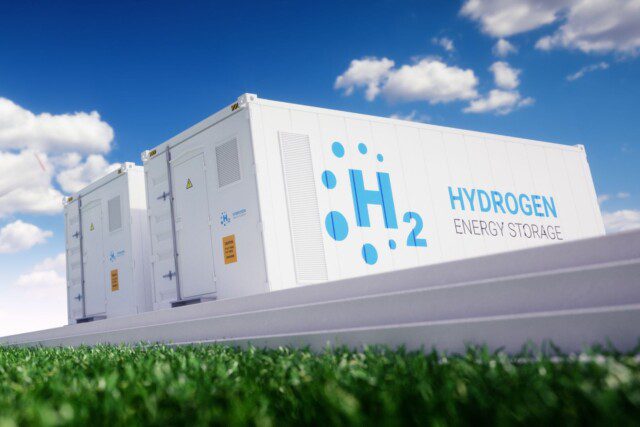
Understand the key safety challenges of new energy carriers like hydrogen and ammonia, and how to manage their unique hazard profiles.
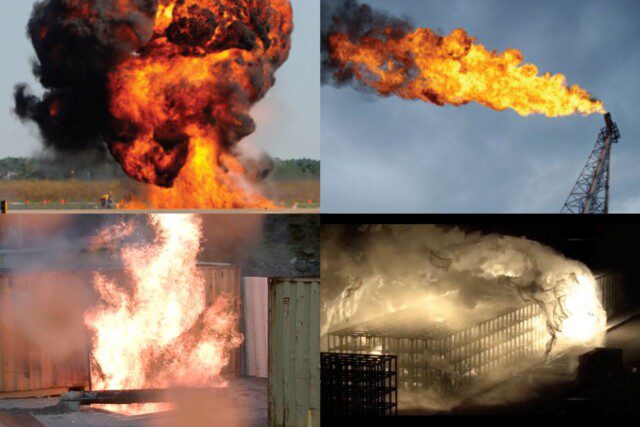
Learn what to expect when a hazardous substance leaks and how to assess the potential fire, explosion, and toxic exposure risks.
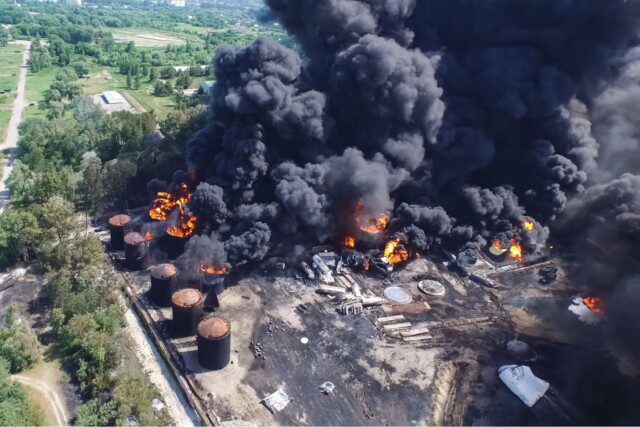
Find out how to simulate tank pit fires in EFFECTS to evaluate thermal radiation, flame size, and impact on nearby equipment or areas.

Learn why validating consequence modelling software is essential to ensure accurate, reliable results for safety and risk assessments.
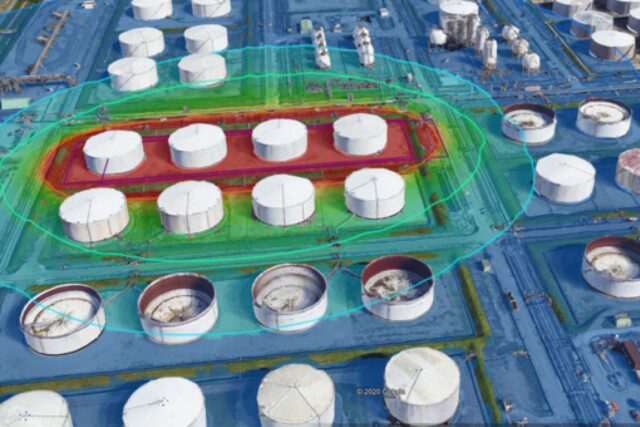
See how EFFECTS simplifies GIS integration to help you visualise hazard zones, risk areas, and consequences directly on real-world maps.
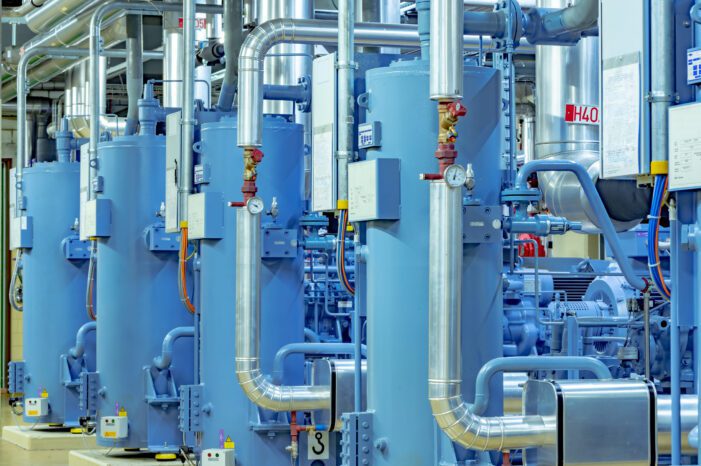
Advanced consequence modelling supports ammonia risk assessments and helps improve safety in storage, transport, and use.

Explore why recognising and addressing safety risks is essential for preventing incidents, protecting lives, and ensuring business continuity.

Explore if the current approach to hazardous area classification needs to change when dealing with high flash point liquids.
Chris Coffey, FLACS Product & Strategic Business Development Manager, reflects on the success of Gexcon’s very first FLUG Week.
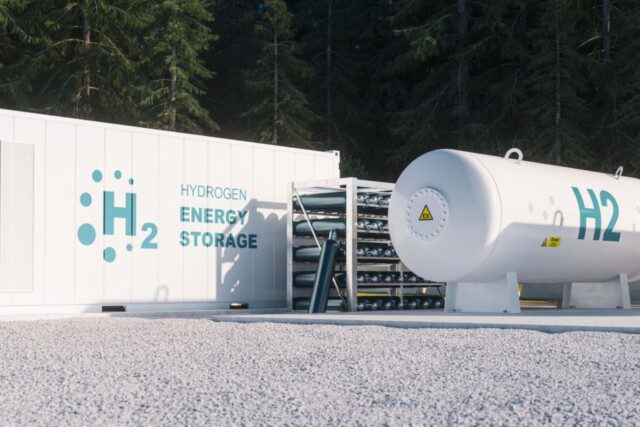
Learn why CFD is important in designing bulk hydrogen storage, helping to predict release behaviour, dispersion, and explosion risks.
