Gexcon expanded the flammable cloud generation from tank overfilling scenarios model to consider other materials and (weather) conditions.
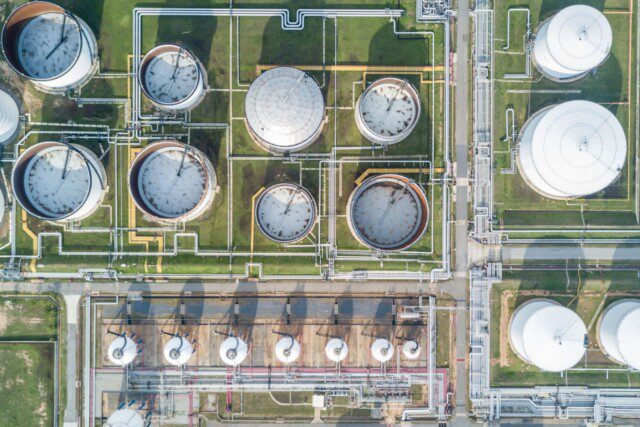
Read our blogs for topical commentary on the issues that matter most. Update your knowledge, gain new insights and get advice on the hot topics for process safety and risk management.
Gexcon expanded the flammable cloud generation from tank overfilling scenarios model to consider other materials and (weather) conditions.
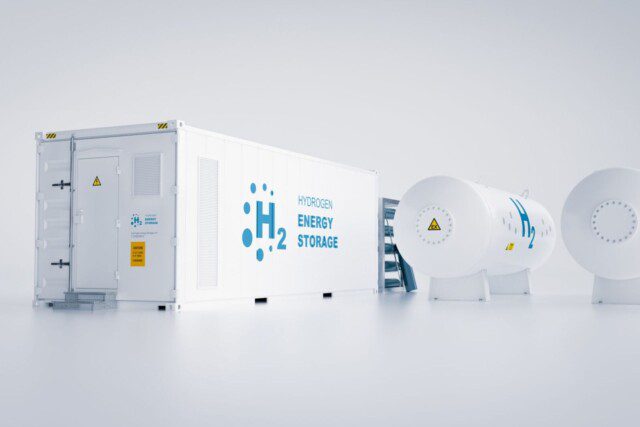
Learn how Gexcon implements the gas fireball model for hydrogen in the consequence modelling tool EFFECTS.
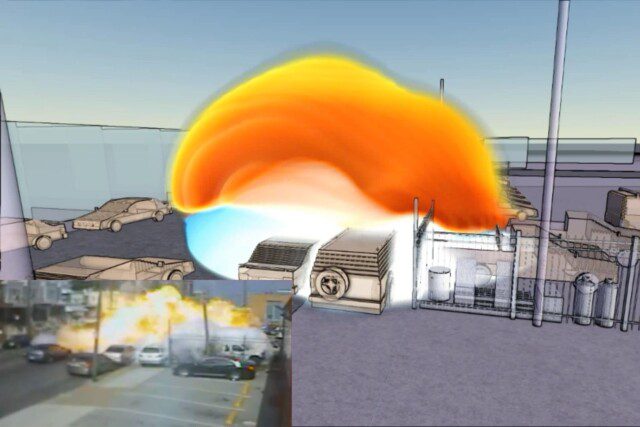
Due to propane’s characteristics, there are safety-critical design features and procedures that should be implemented in the propane industry to ensure the safe use of propane.
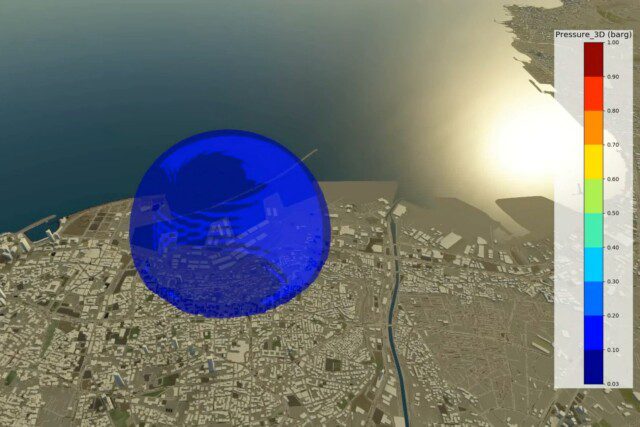
Ammonium nitrate is stable, but bulk storage near fire hazards can lead to major explosions despite long-known safety risks.
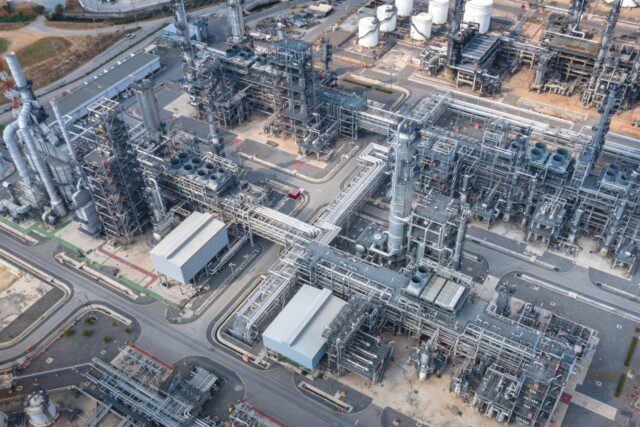
Learn how to simulate confined vapour cloud explosions (VCEs) in EFFECTS to assess blast impacts and improve safety in high-risk areas.
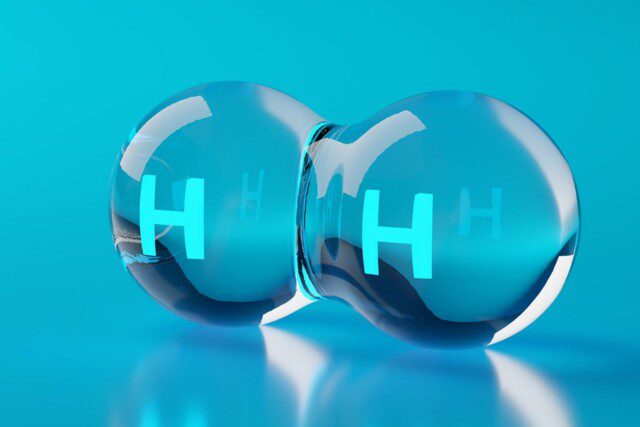
Hydrogen combustion, release behaviour, dispersion, fire and explosion risks—key insights for safe hydrogen use and design.
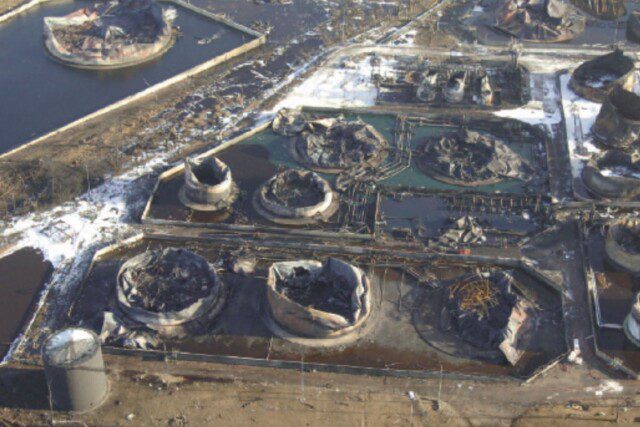
Explore how to simulate tank overfilling scenarios using EFFECTS to better understand vapour generation, dispersion, and safety risks.
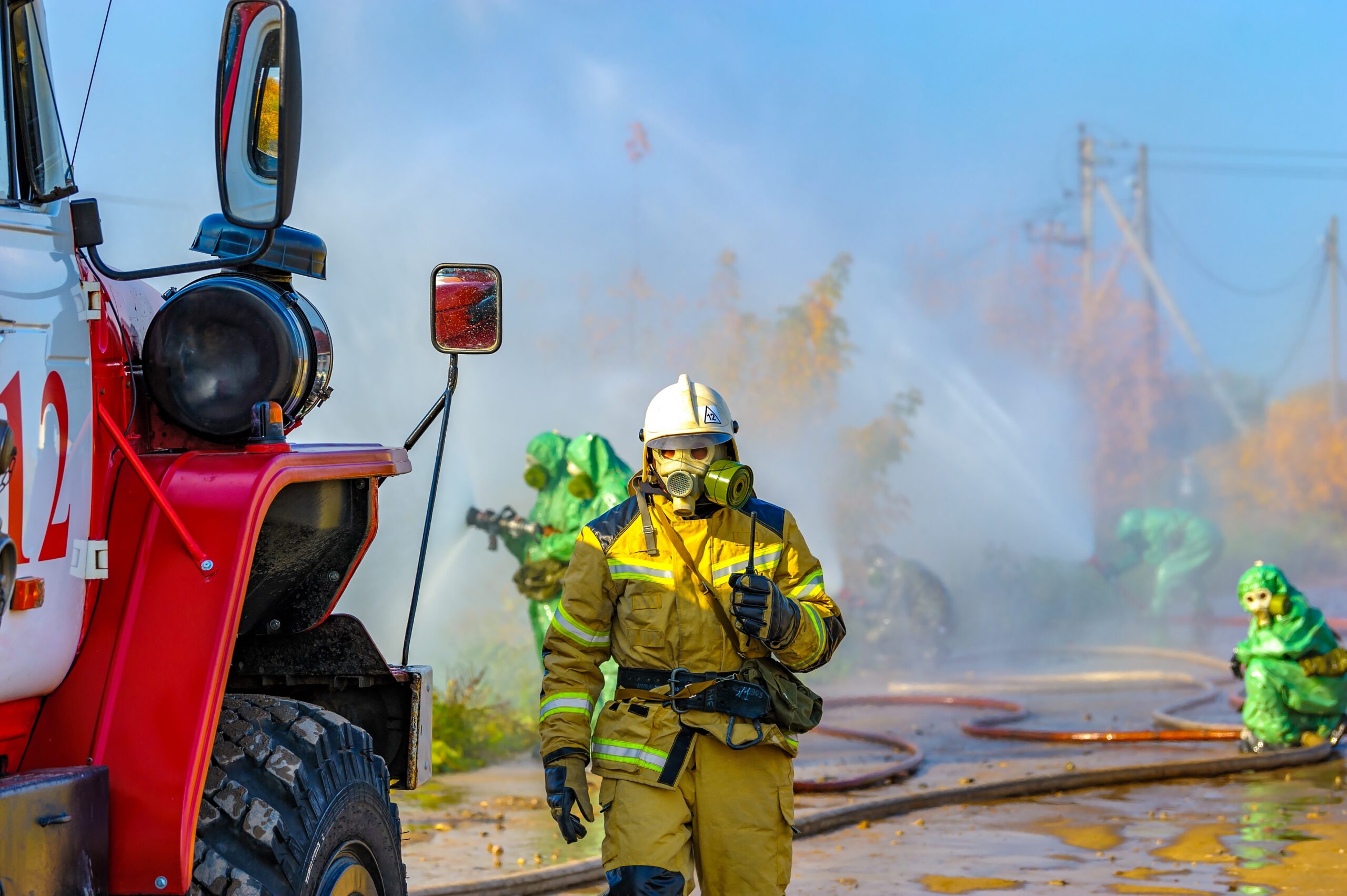
This blog explains the basics about deriving consequences from releases leading to a toxic cloud.

The Coloured Books serve as how-to guidelines and are extensively used as a reference in the global safety community.

The physical state of the chemical and its typical properties are extremely important when evaluating a loss of containment scenario.
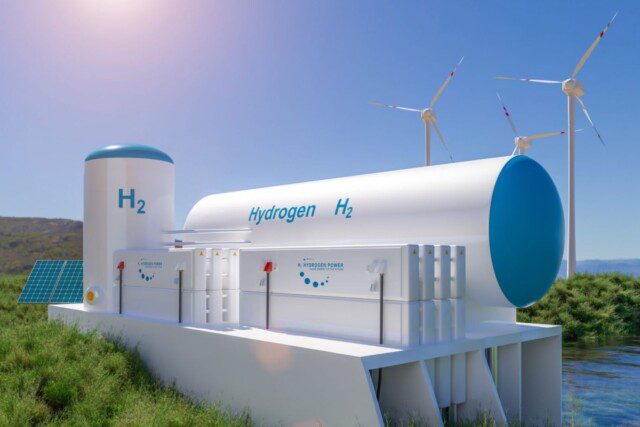
We can ensure the safe production, transportation, and usage of hydrogen by carefully considering its typical properties and associated safety aspects.

See the role of CO2 in the energy transition, its hazards, and what champagne can teach us about pressure, phase change, and safety.
