Hydrogen combustion, release behaviour, dispersion, fire and explosion risks—key insights for safe hydrogen use and design.
Hydrogen combustion, release behaviour, dispersion, fire and explosion risks—key insights for safe hydrogen use and design.
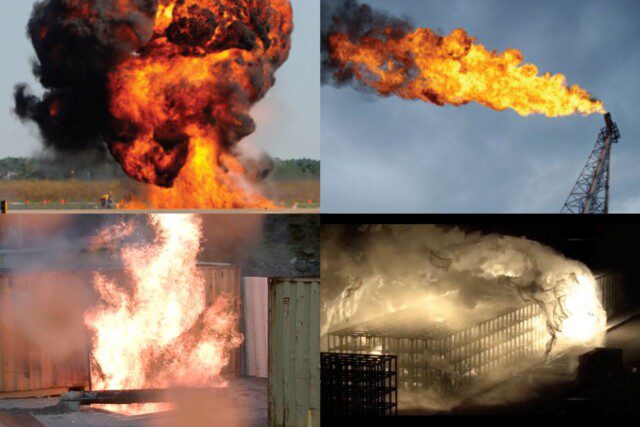
Learn what to expect when a hazardous substance leaks and how to assess the potential fire, explosion, and toxic exposure risks.
Advanced consequence modelling supports ammonia risk assessments and helps improve safety in storage, transport, and use.

Explore why recognising and addressing safety risks is essential for preventing incidents, protecting lives, and ensuring business continuity.

Explore if the current approach to hazardous area classification needs to change when dealing with high flash point liquids.
Learn the basics of ATEX Directives, their role in managing explosive atmospheres, and what they mean for equipment and workplace safety.
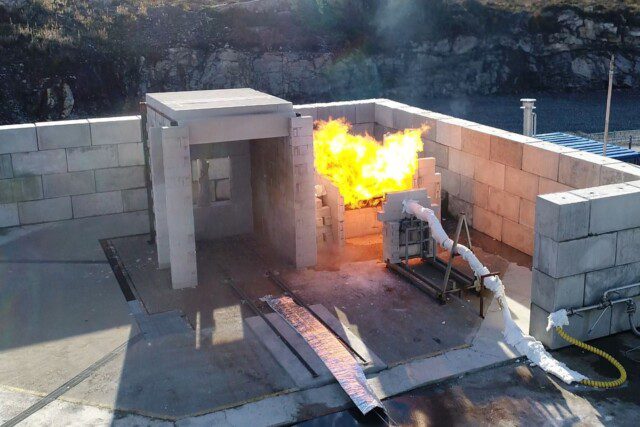
Understand the role of passive fire protection in reducing fire impact, protecting assets, and supporting safe facility design.
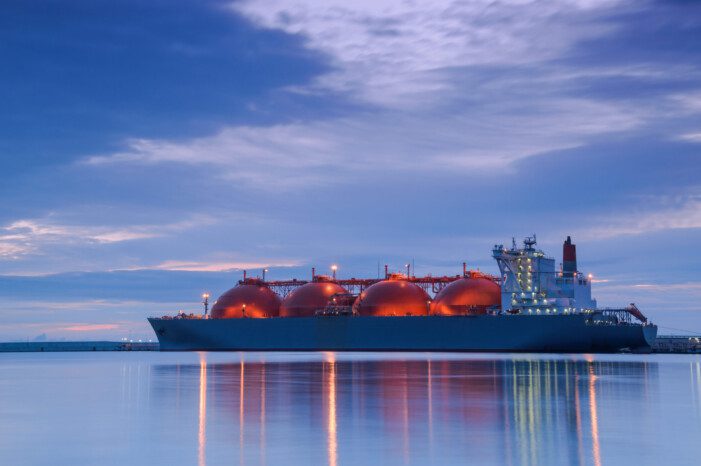
Learn how Gexcon supported safety assessments for the UK’s first multifunctional LNG terminal through advanced modelling and expertise.

Learn how to model dense gas dispersion in urban areas, accounting for buildings, terrain, and wind to improve safety assessments.

Learn how to reduce the risk of ammonium nitrate explosions through safer storage, fire prevention measures, and risk awareness.

Understand how ammonium nitrate can explode, the conditions that lead to detonation, and what can be done to prevent such incidents.
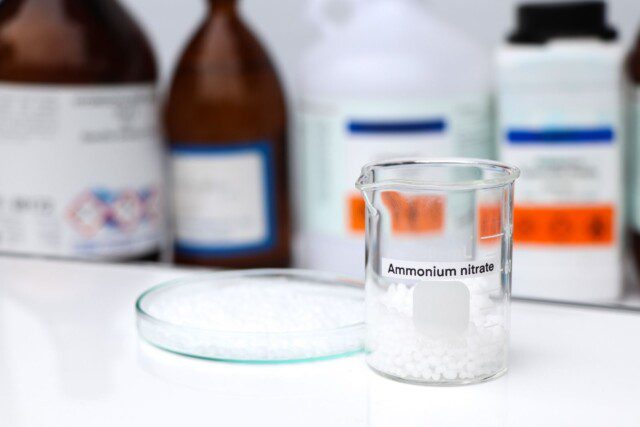
Ammonium nitrate is used worldwide as fertilizers. Even though it is non-combustible in most conditions, it can have a devastating effect.
