Learn how to model dense gas dispersion in urban areas, accounting for buildings, terrain, and wind to improve safety assessments.

Learn how to model dense gas dispersion in urban areas, accounting for buildings, terrain, and wind to improve safety assessments.
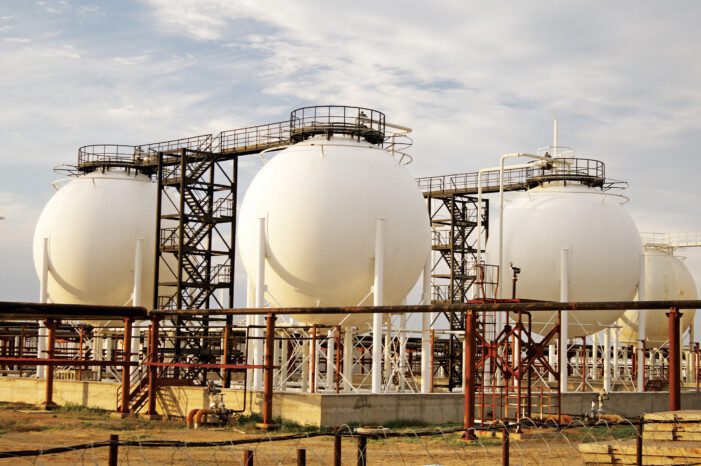
Discover the 7 key hazards in LNG facilities, from cryogenic risks to vapour cloud explosions.
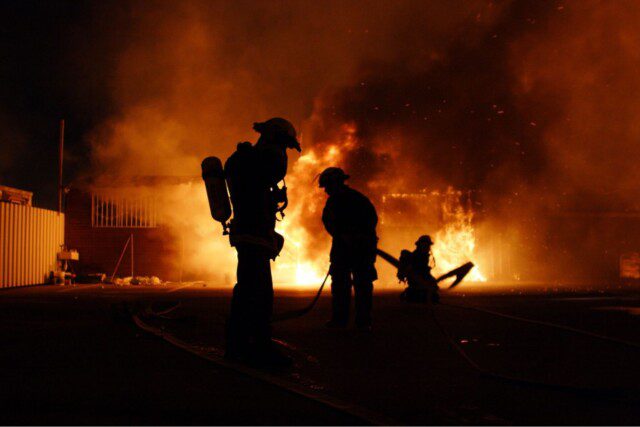
Explore key lessons from the Buncefield explosion and why accurate data and is essential for preventing similar incidents.
Learn from the Buncefield explosion by examining how vapour clouds form, ignite, and what it means for preventing future incidents.
Understand how the Buncefield vapour cloud formed and why identifying release sources is critical for effective explosion prevention.

Learn what to include in your COMAH safety report, how to prepare effectively, and meet regulatory expectations with confidence.

As part of our commitment to helping make the world a safer place, we decided to reach out to our communities for a more detailed understanding of the value of QRAs.

Learn how to stay compliant with DSEAR regulations when rapidly repurposing production lines during times of operational change.
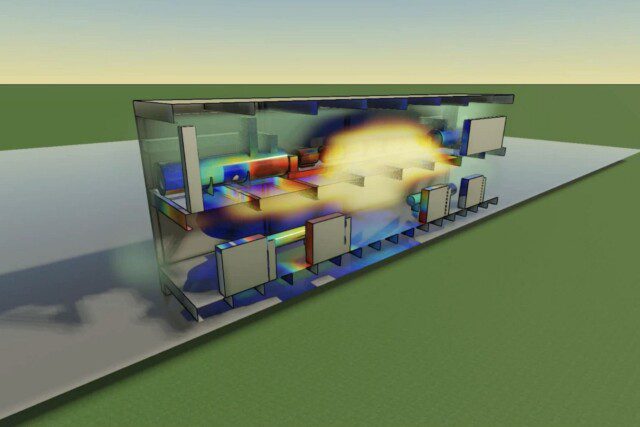
Inconsistent methods and unclear uncertainty treatment make it hard to compare explosion risk assessment approaches across the industry.
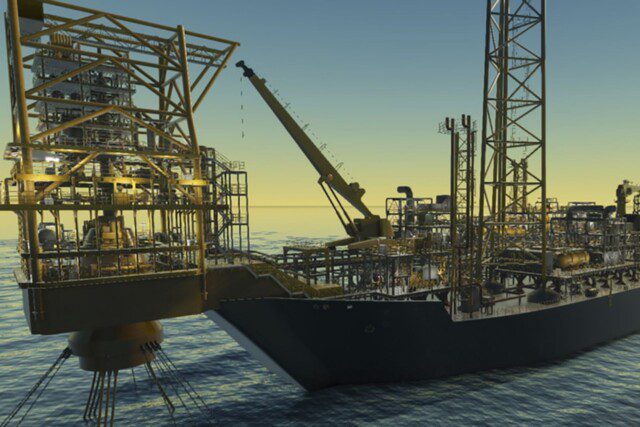
Geometry has long been identified as of key importance to understanding the consequence of explosions.
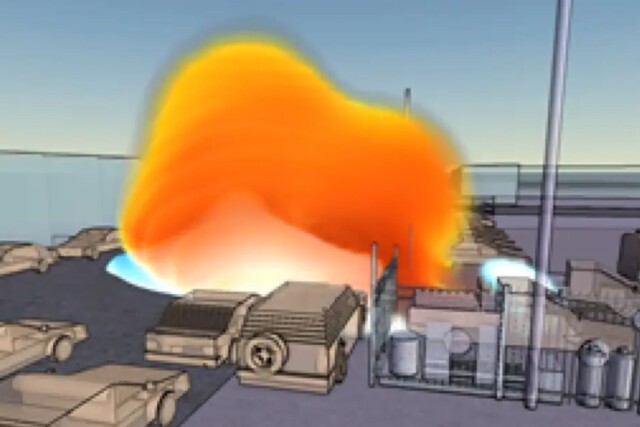
This paper discusses safety-critical design features and processes in the propane industry that must be in place to ensure the safe use and filling of propane cylinders.
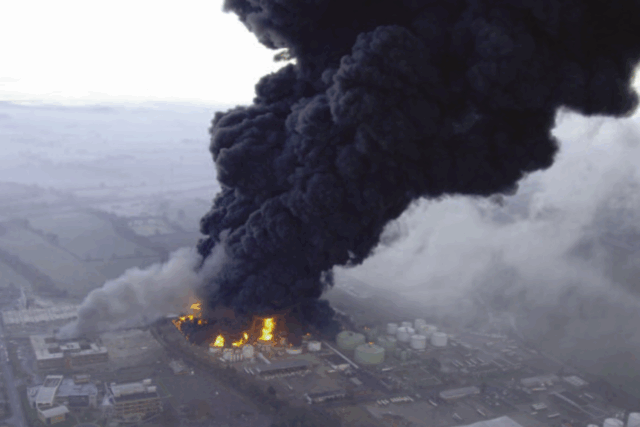
On 11 Dec 2005, a massive explosion at Buncefield Oil Depot caused severe damage. Gexcon used FLACS to help investigate the cause.
