FRED is a reliable tool for CO2 hazard assessments, thanks to its fast setup and calculation speeds, as well as the robust validation behind its models.
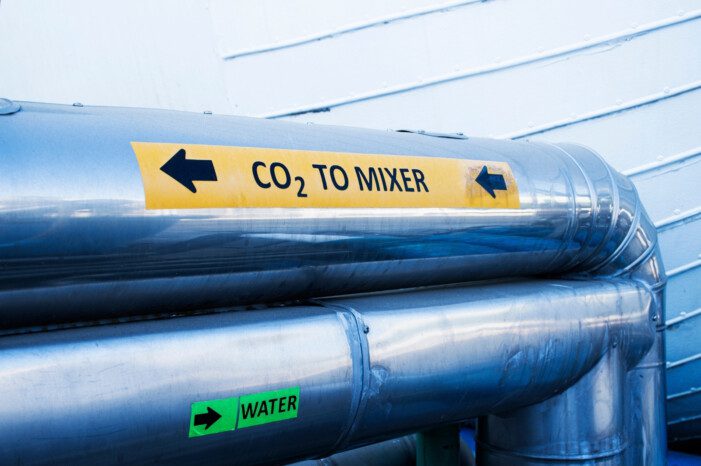
FRED is a reliable tool for CO2 hazard assessments, thanks to its fast setup and calculation speeds, as well as the robust validation behind its models.
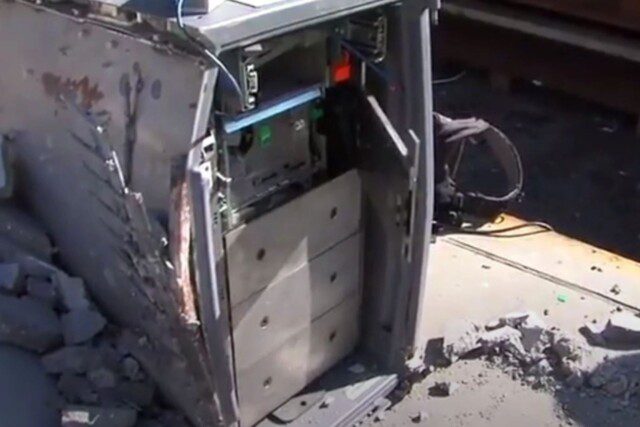
Gexcon partnered with Lockpoint to conduct theoretical testing on ATM protection devices against explosive gas attacks.
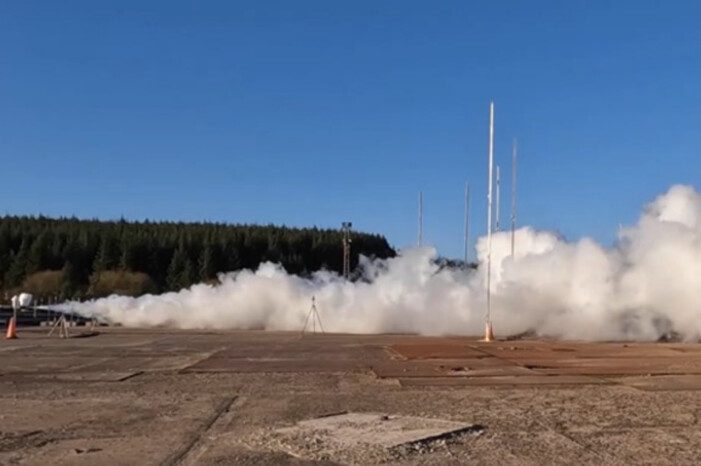
With a major new update to the software due to go live later this year, this is the first in a series of blogs examining how FRED has been proven in a range of different environments.
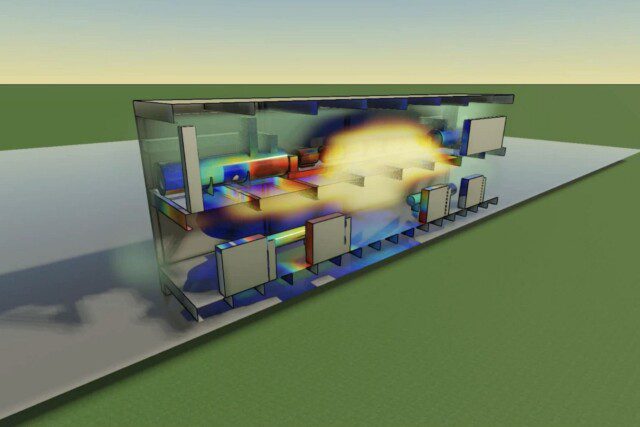
Inconsistent methods and unclear uncertainty treatment make it hard to compare explosion risk assessment approaches across the industry.

What lessons can we learn from past ammonium nitrate explosions, such as the Beirut Incident to prevent future disasters?

Geometry has long been identified as of key importance to understanding the consequence of explosions.
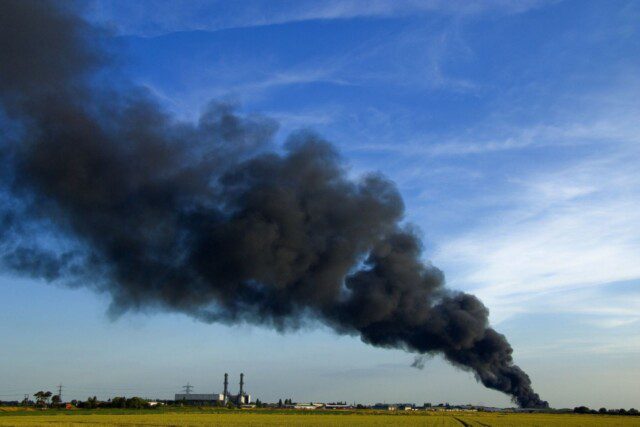
Did you know that EFFECTS has a dedicated model to calculate the plume rise phenomenon due to warehouse or pool fires?
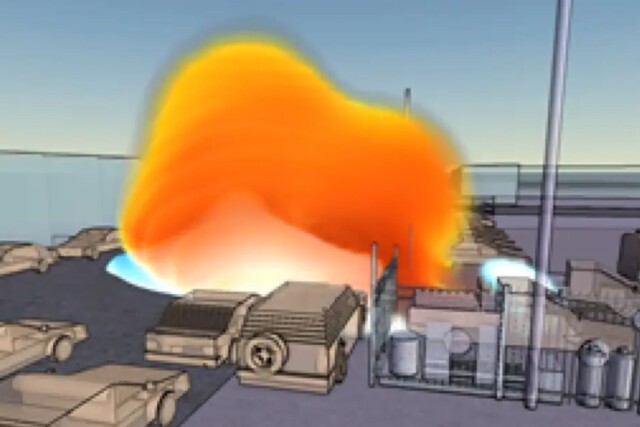
This paper discusses safety-critical design features and processes in the propane industry that must be in place to ensure the safe use and filling of propane cylinders.
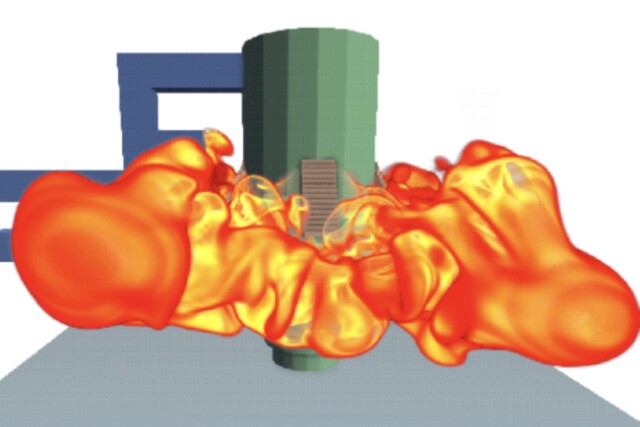
This paper discusses the proximate causes of the 2014 Georgia Pacific Corrigan Facility fire and explosion and its root causes.
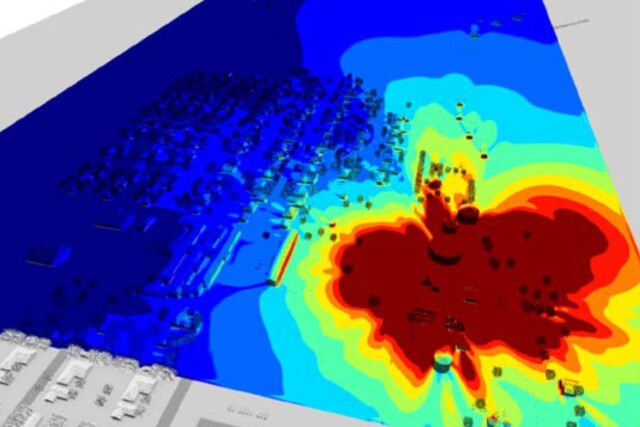
This paper presents the results of our investigation into the cause and origin of the West Fertilizer Explosion.
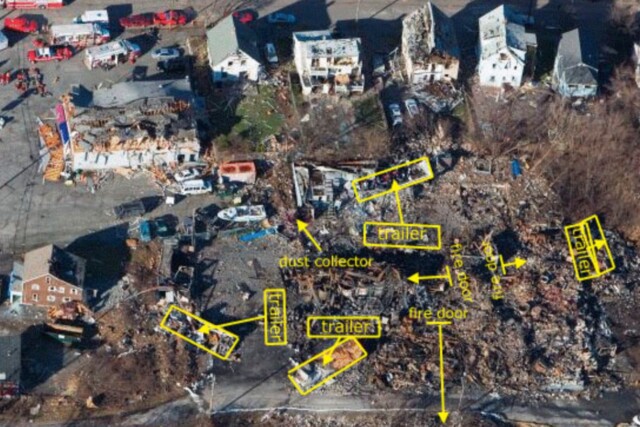
On 22 Nov 2006, a major explosion in Danvers destroyed a facility. FLACS simulations helped identify the ignition source and blast cause.
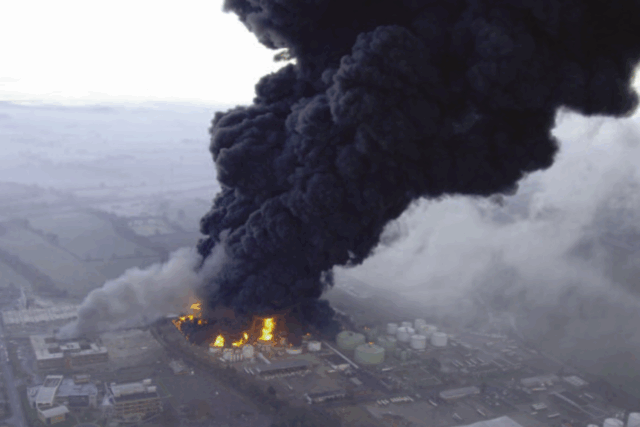
On 11 Dec 2005, a massive explosion at Buncefield Oil Depot caused severe damage. Gexcon used FLACS to help investigate the cause.
