Hydrogen combustion, release behaviour, dispersion, fire and explosion risks—key insights for safe hydrogen use and design.
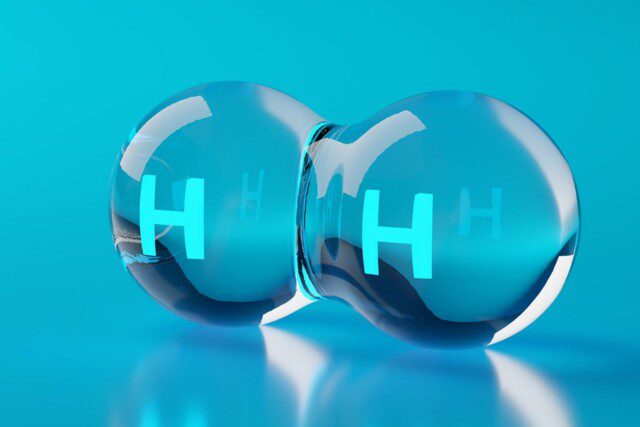
Hydrogen combustion, release behaviour, dispersion, fire and explosion risks—key insights for safe hydrogen use and design.
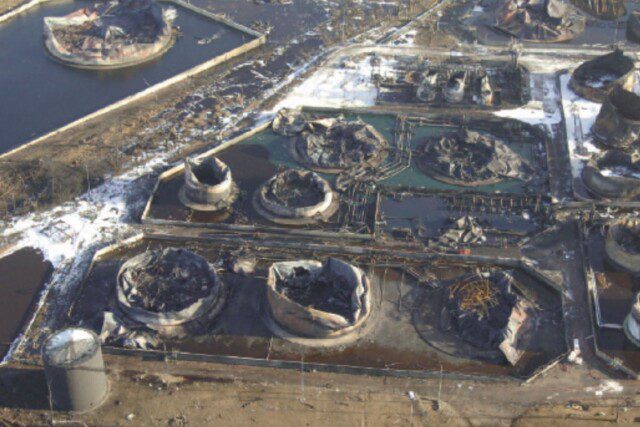
Explore how to simulate tank overfilling scenarios using EFFECTS to better understand vapour generation, dispersion, and safety risks.
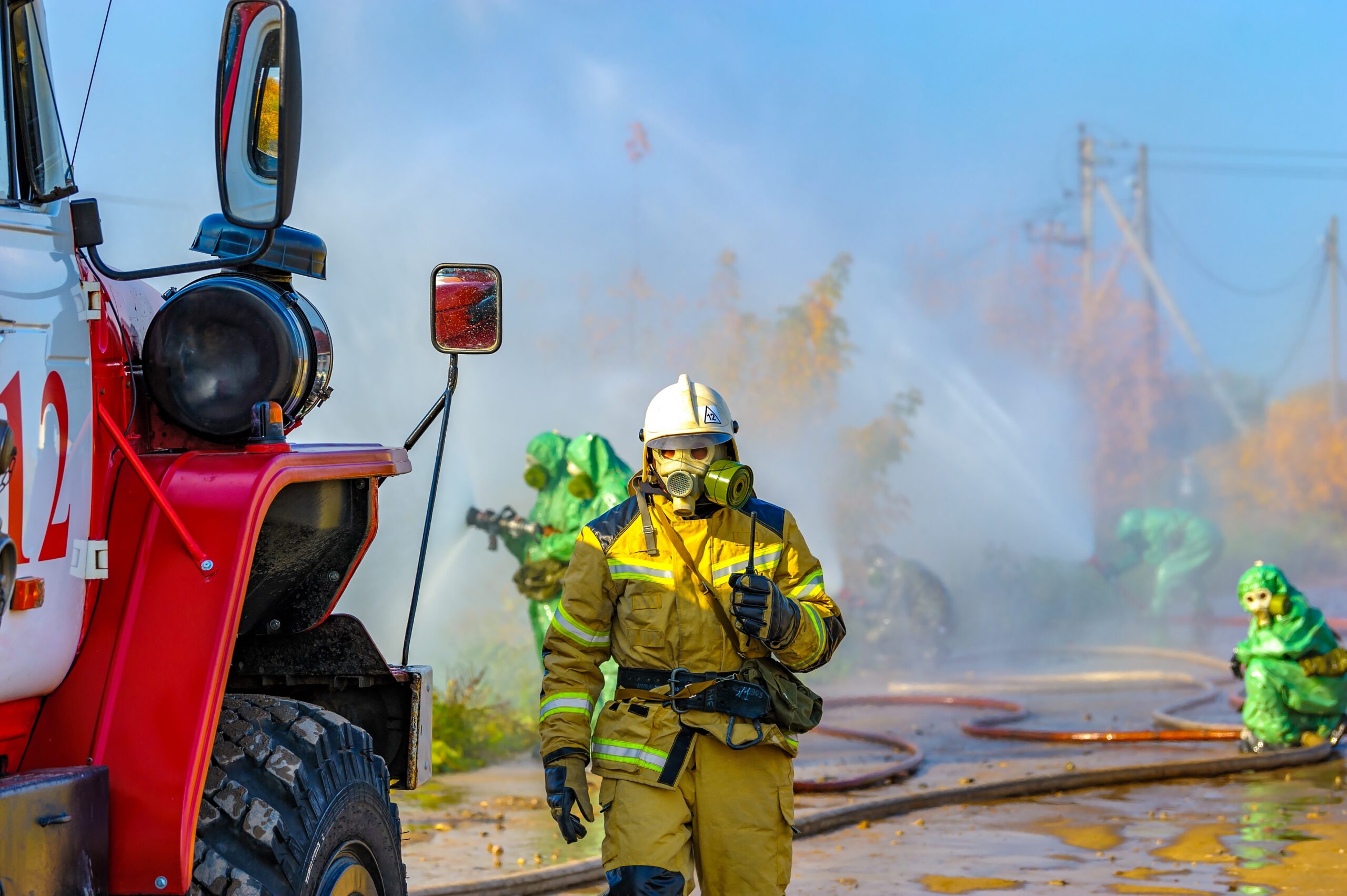
This blog explains the basics about deriving consequences from releases leading to a toxic cloud.

The Coloured Books serve as how-to guidelines and are extensively used as a reference in the global safety community.
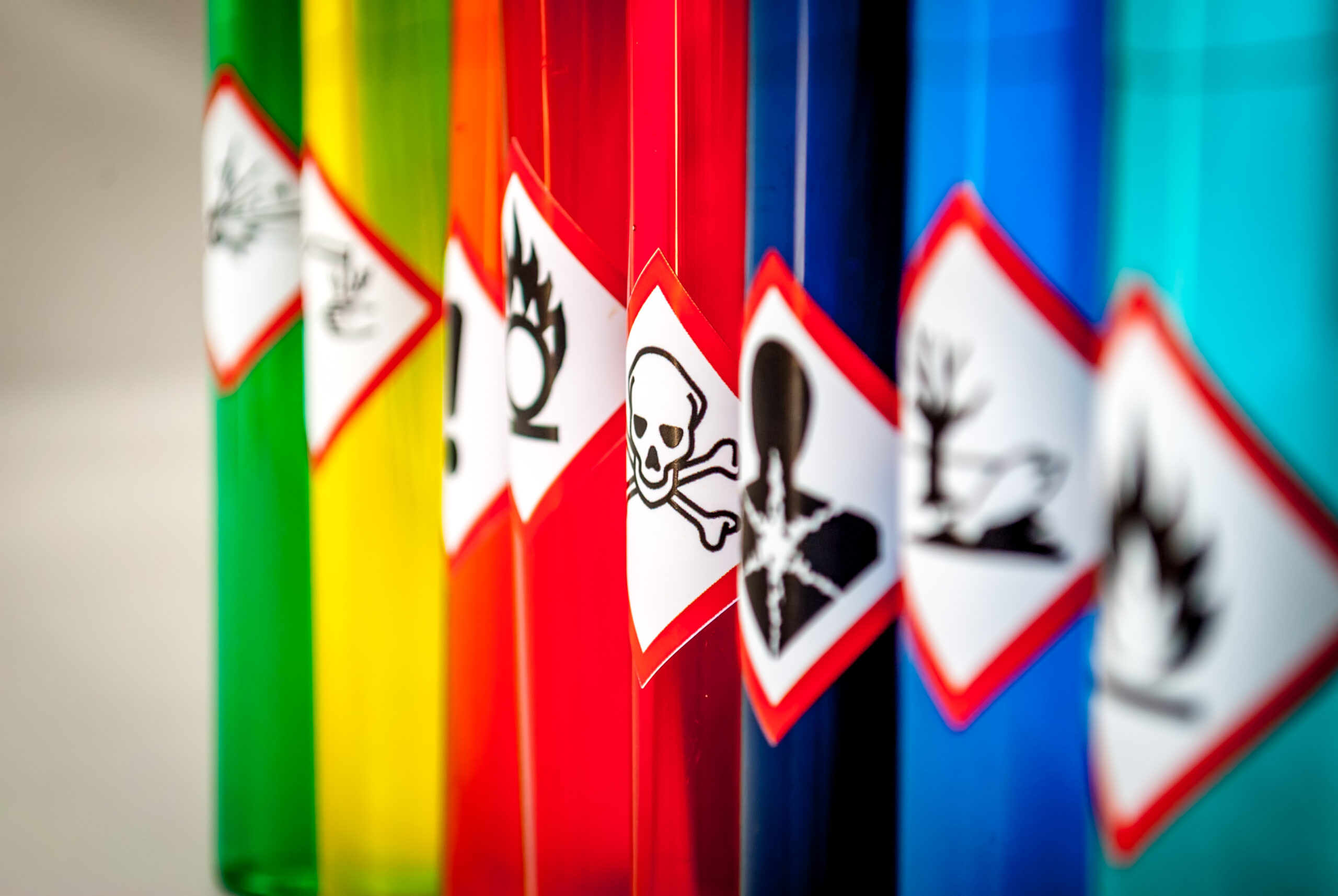
The physical state of the chemical and its typical properties are extremely important when evaluating a loss of containment scenario.
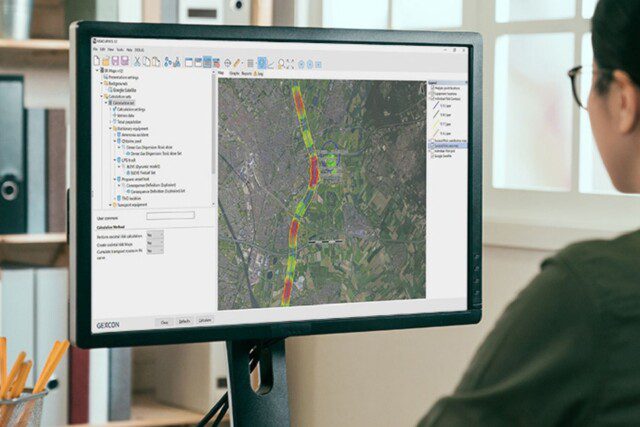
Learn how Societal Risk maps provide a clear, visual way to understand and communicate risk distribution across geographical areas.
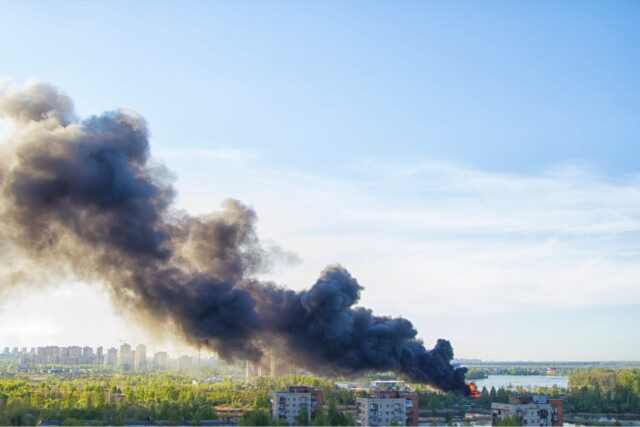
See how to simulate plumes from large fires in EFFECTS to assess thermal radiation, smoke dispersion, and impact on nearby areas.
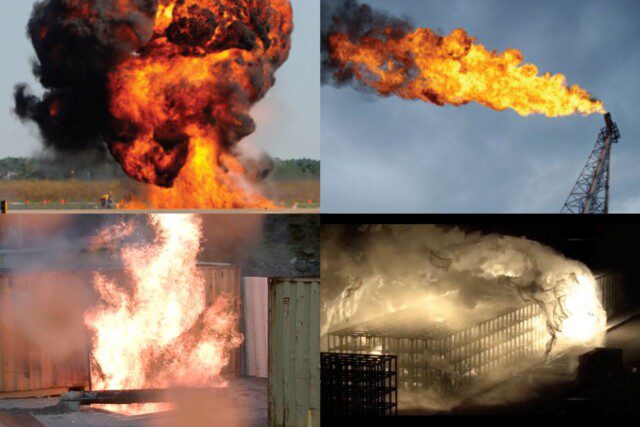
Learn what to expect when a hazardous substance leaks and how to assess the potential fire, explosion, and toxic exposure risks.
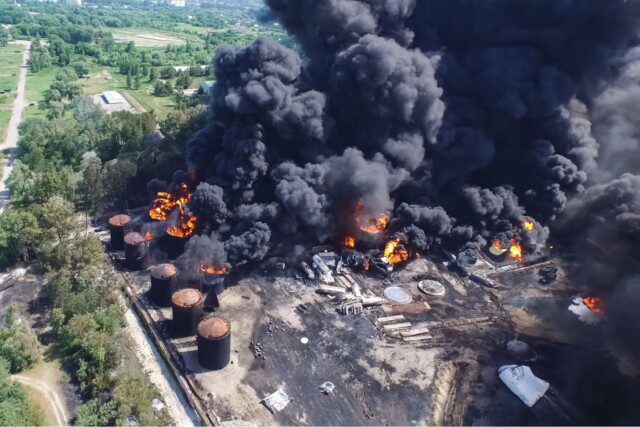
Find out how to simulate tank pit fires in EFFECTS to evaluate thermal radiation, flame size, and impact on nearby equipment or areas.
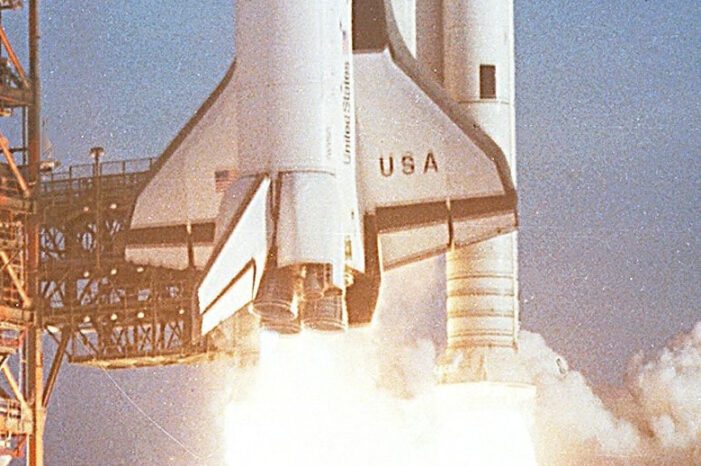
Learn why validating consequence modelling software is essential to ensure accurate, reliable results for safety and risk assessments.
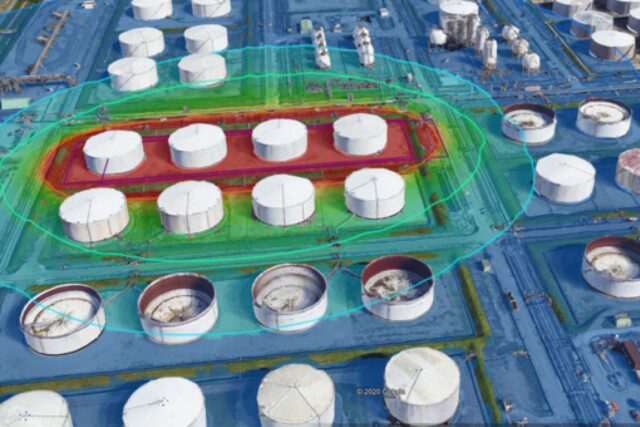
See how EFFECTS simplifies GIS integration to help you visualise hazard zones, risk areas, and consequences directly on real-world maps.
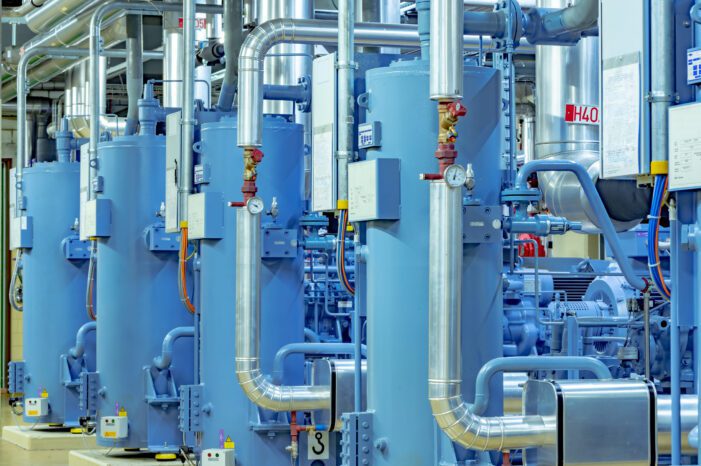
Advanced consequence modelling supports ammonia risk assessments and helps improve safety in storage, transport, and use.
