This blog emphasises the vital role of consequence modelling in assessing the impact of a runaway chemical reaction.
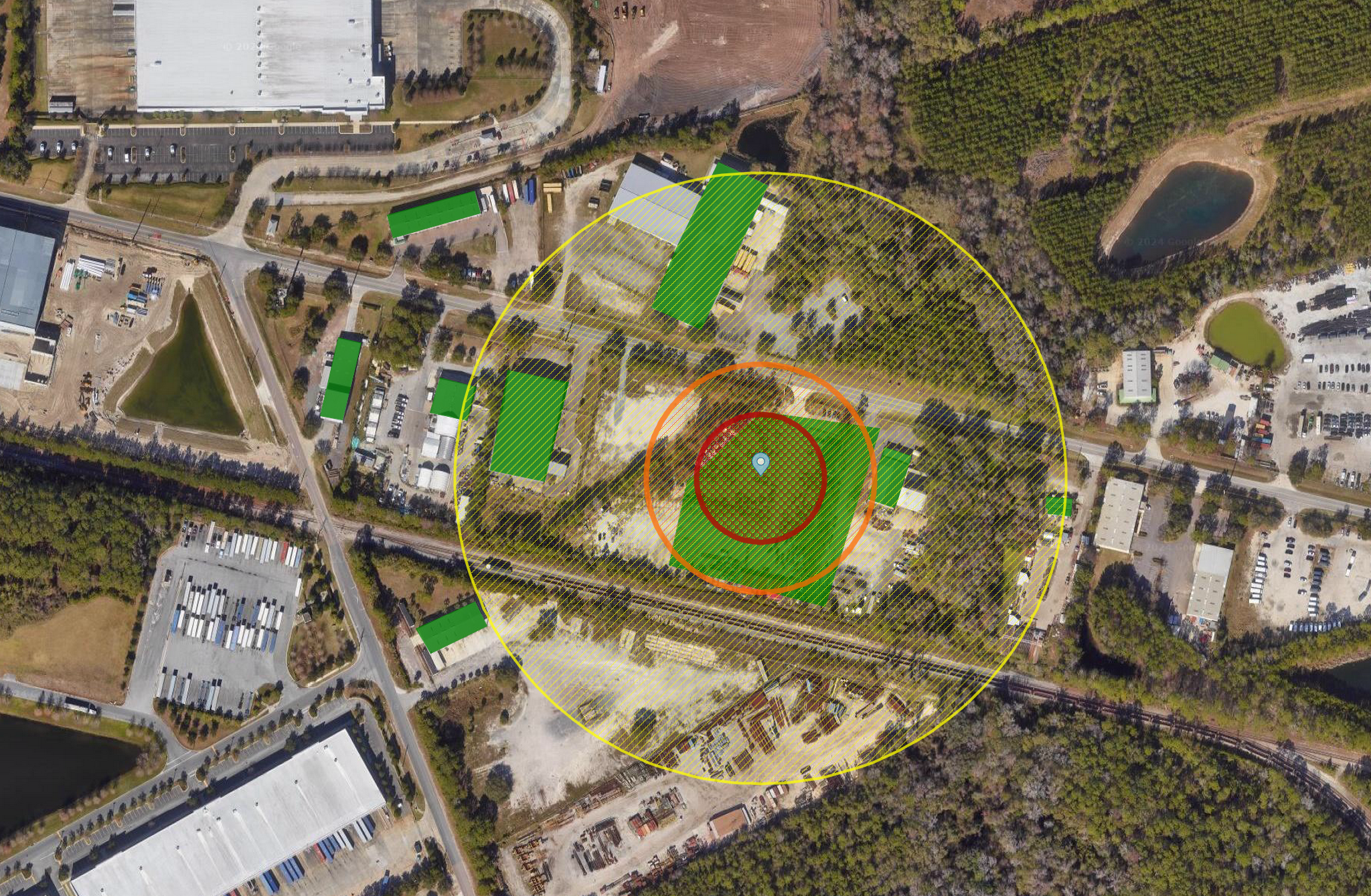
This blog emphasises the vital role of consequence modelling in assessing the impact of a runaway chemical reaction.

Consequence analysis is a critical aspect of process safety and risk management. Here are 10 crucial considerations to ensure a successful analysis.
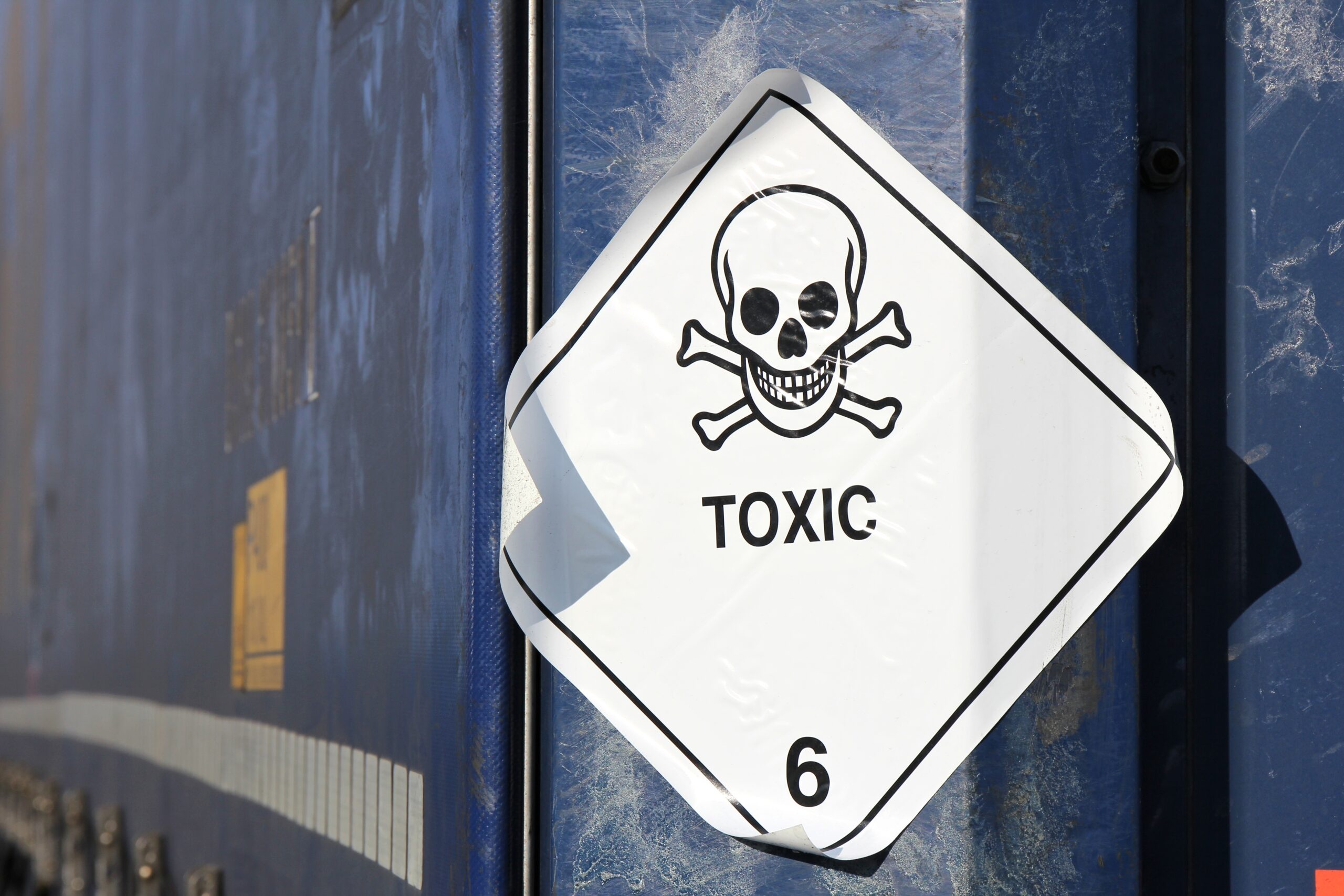
Find out how to model the consequences of atmospheric dispersion for an accidental toxic release with EFFECTS consequence modelling software.
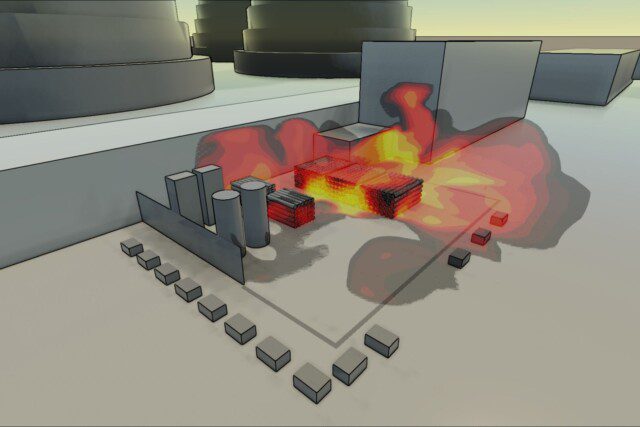
Advanced modelling tools can analyse the consequence of explosions in hydrogen bulk storage areas hence assisting in creating a safer design.

See how advanced CFD modelling can be used to understand the hazards from potential LH2 release scenarios while refuelling an aircraft.
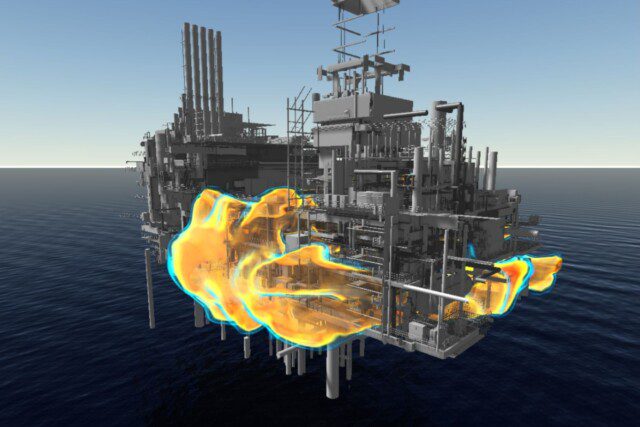
The development of Gexcon’s industry standard software for dispersion, explosion and fire modelling is closely linked to Piper Alpha.
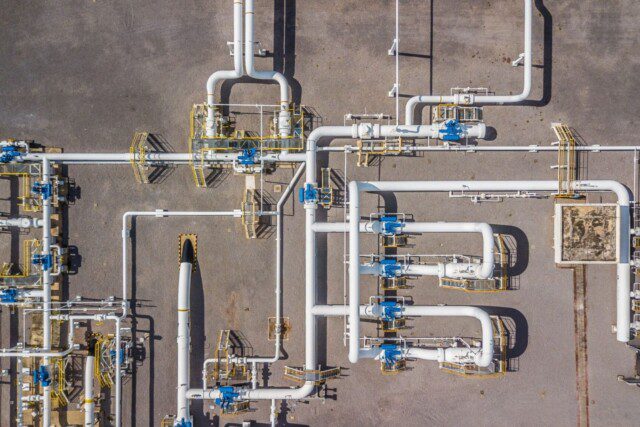
Read our recent paper on CFD-based explosion analysis of hydrogen-methane-air mixtures which was performed using FLACS consequence modelling software.
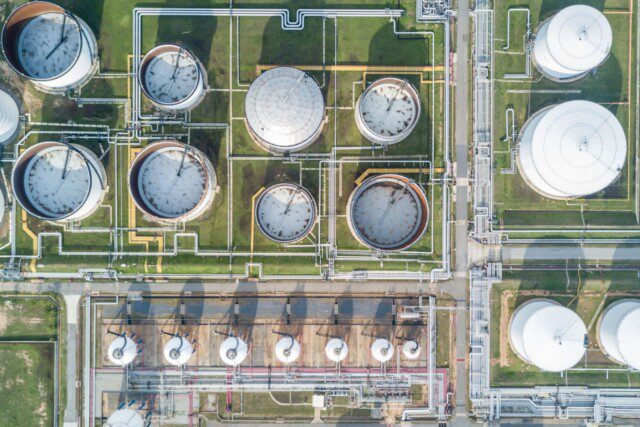
Gexcon expanded the flammable cloud generation from tank overfilling scenarios model to consider other materials and (weather) conditions.
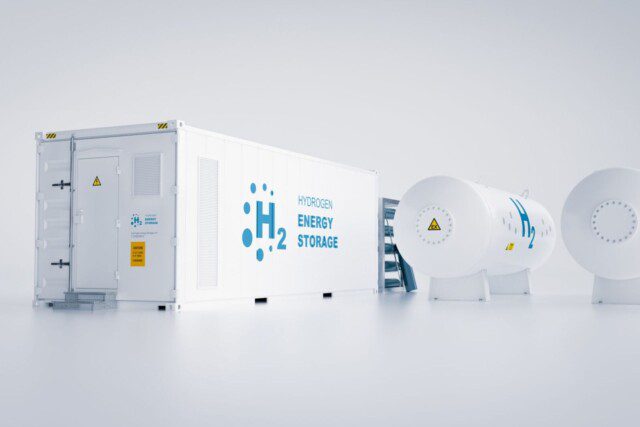
Learn how Gexcon implements the gas fireball model for hydrogen in the consequence modelling tool EFFECTS.
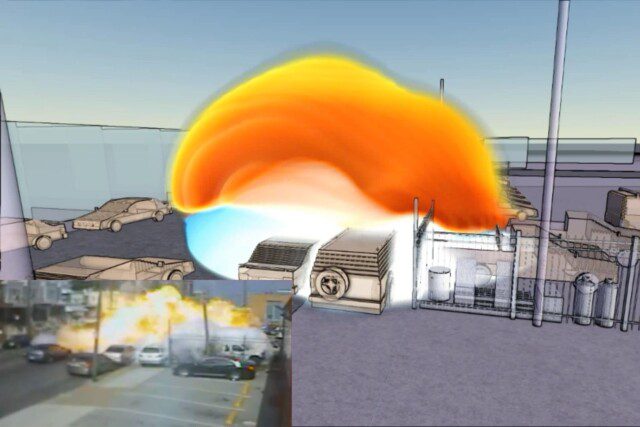
Due to propane’s characteristics, there are safety-critical design features and procedures that should be implemented in the propane industry to ensure the safe use of propane.
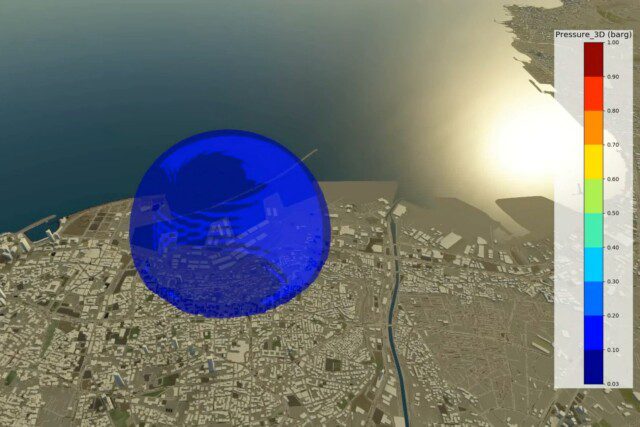
Ammonium nitrate is stable, but bulk storage near fire hazards can lead to major explosions despite long-known safety risks.
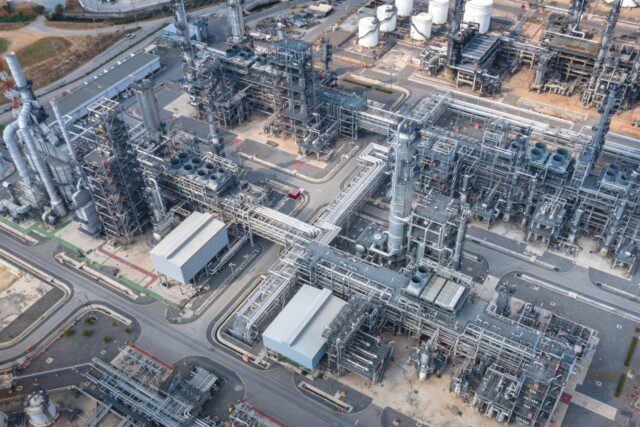
Learn how to simulate confined vapour cloud explosions (VCEs) in EFFECTS to assess blast impacts and improve safety in high-risk areas.
