A practical guide on HAZOP, explaining its role in identifying risks, improving safety and supporting informed process decisions.

A practical guide on HAZOP, explaining its role in identifying risks, improving safety and supporting informed process decisions.
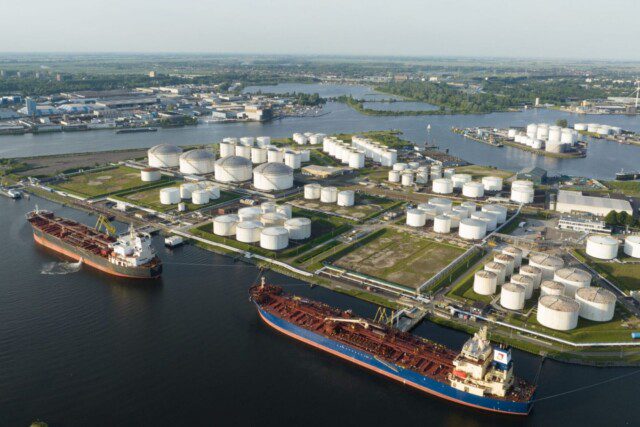
How advanced modelling tools can help improve LNG facility siting by supporting safer and more practical decision-making.

See the HAZID process and learn how it helps identify hazards early to improve safety and support better decision-making.

Learn how to carry out a QRA to identify major risks, assess their impact, and support safer decisions in high-hazard industries.

What a Pre-Construction Safety Report (PCSR) includes and how it helps identify and manage major risks before construction starts.

How to identify major accident hazards at COMAH and Seveso sites using HAZID to meet safety requirements and reduce risks.

The use of consequence analysis in QRA helps prioritise and complement risk assessments to support more informed safety decisions.
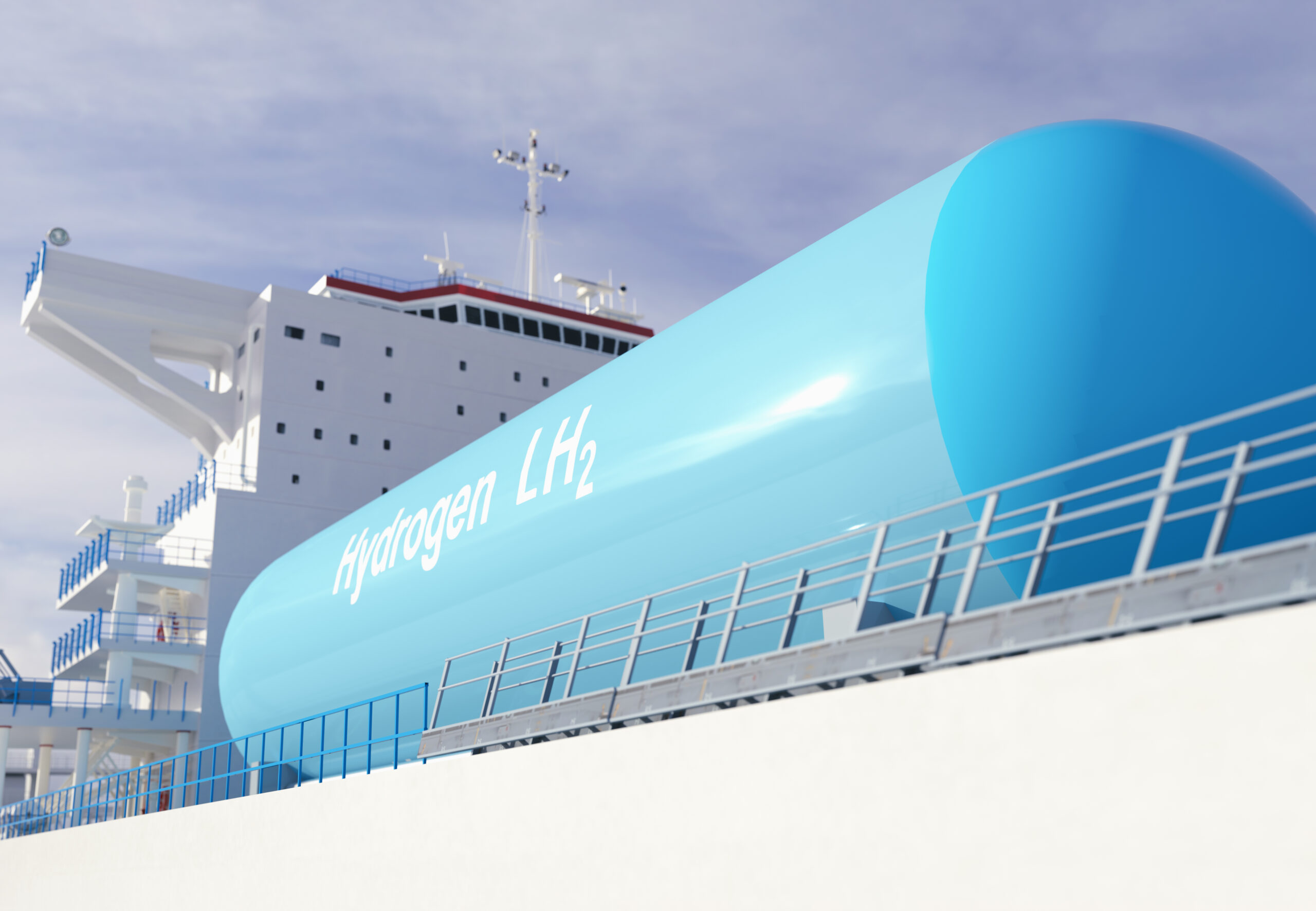
Essential safety considerations for liquid hydrogen: key hazards, risk controls and best practices for safe handling and storage.
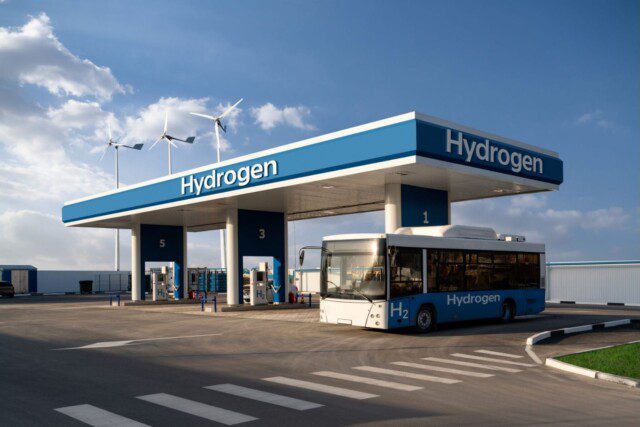
This article primarily focuses on calculating Societal Risk, a crucial metric for evaluating risk acceptability, particularly relevant for the risk assessment of densely populated areas.
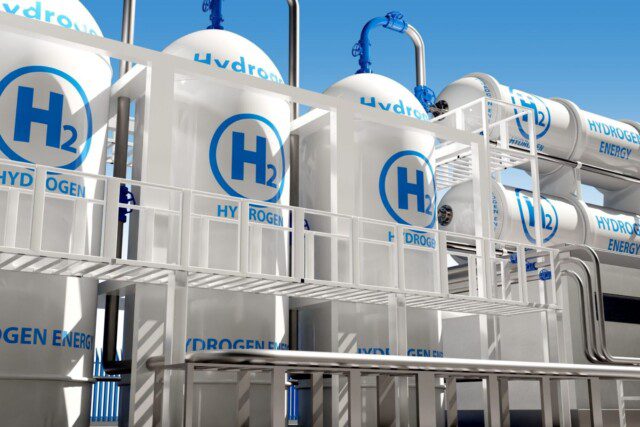
Learn about the efficacy of the Gas Fireball model in EFFECTS through two hydrogen release scenarios.
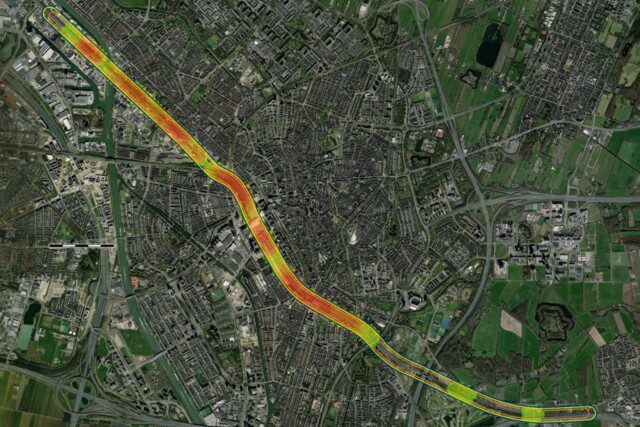
This article explores the calculation of Societal Risk maps through a case study of an ethanol tank wagon accident using Gexcon’s RISKCURVES QRA software.
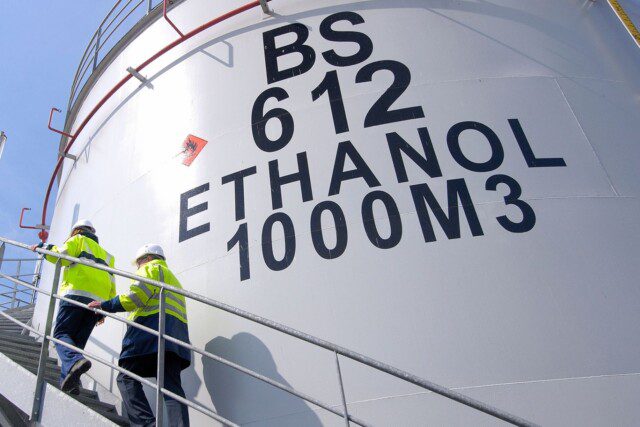
The risks associated with ethanol and relevant approaches to prevent and mitigate these hazards.
